Inside the Lagina Brothers’ Fortune and the Real Treasure Behind TV’s Greatest Hunt

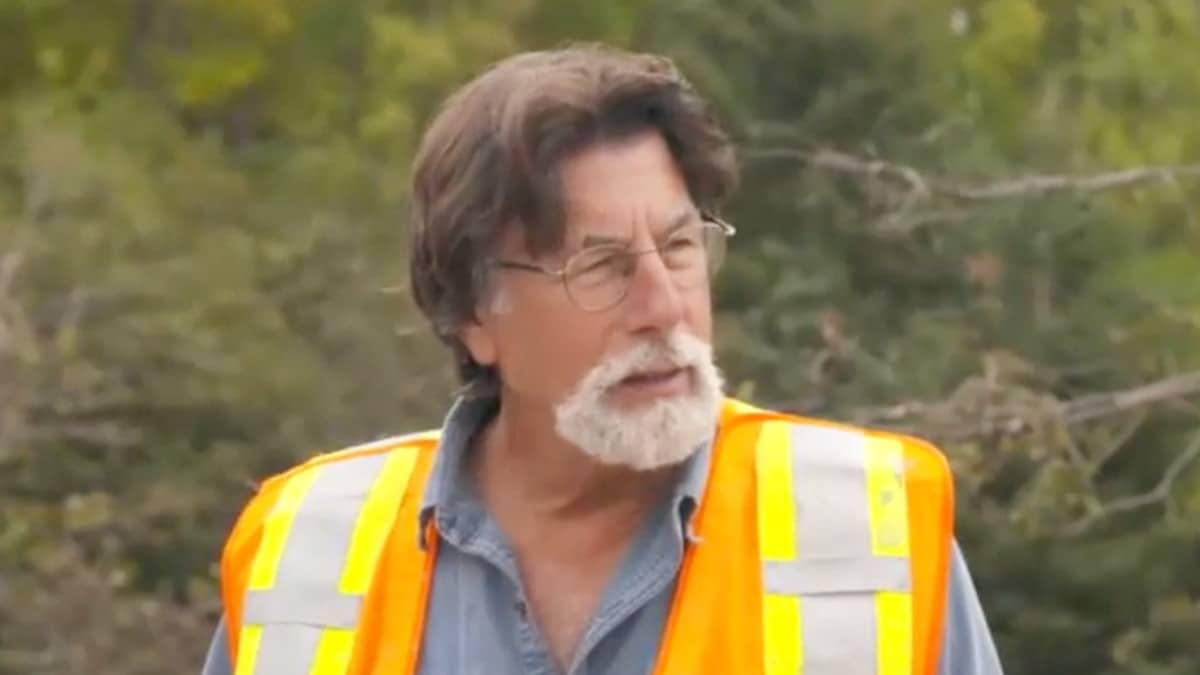
After more than a decade of digging, drilling, and deciphering centuries-old clues, the Curse of Oak Island team may have struck something golden — but not necessarily buried treasure. With a hit television empire, international fame, and millions in earnings, brothers Rick and Marty Lagina have turned a childhood dream into one of the most profitable treasure hunts in modern history.
A Dream Born in 1965
The story began in 1965, when young Rick and Marty Lagina read about the legend of Oak Island in Reader’s Digest. The mysterious Nova Scotia island was rumored to conceal a vast pirate treasure — possibly left by Captain Kidd himself. The idea captured their imagination, and even as they pursued different careers, that shared dream never faded.
Rick, the romantic and believer, envisioned uncovering lost history. Marty, the pragmatist, built a career in energy and engineering, founding Heritage Sustainable Energy and later opening Mari Vineyards in Michigan. In 2006, the brothers finally purchased rights to excavate Oak Island — and with it, the chance to turn myth into mission.
Turning a Legend Into a Global Franchise
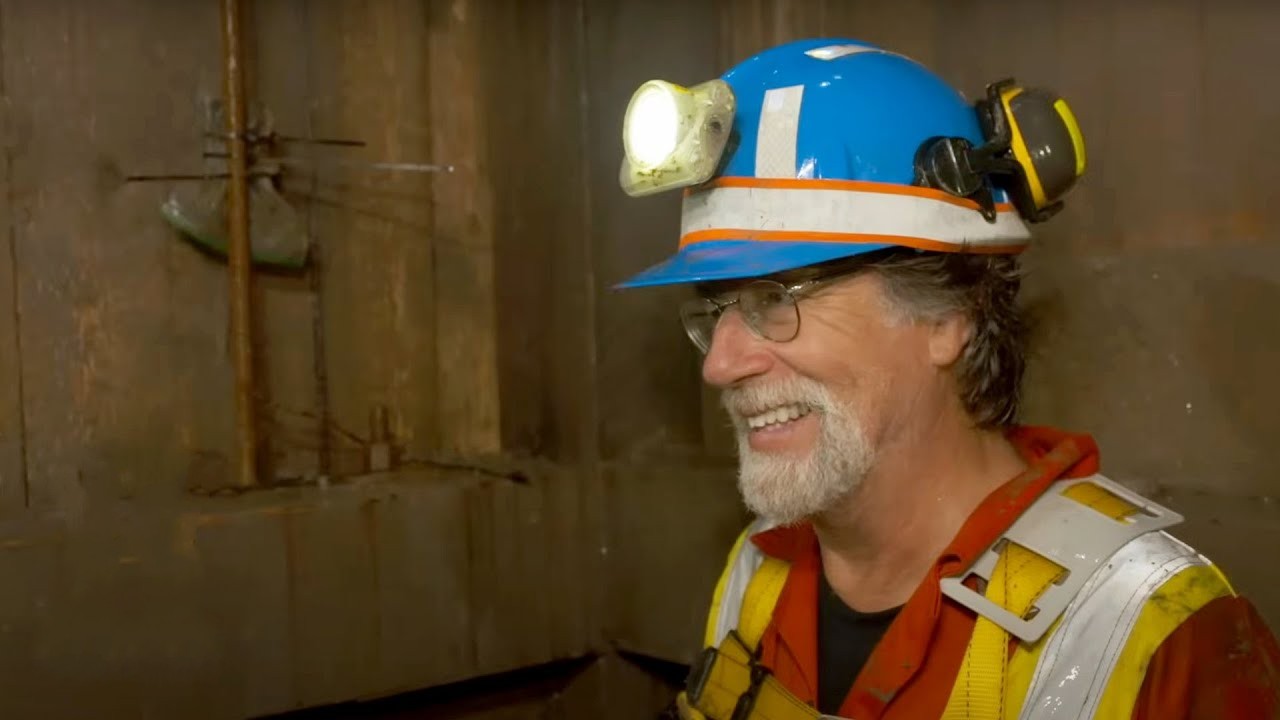
When The Curse of Oak Island premiered on the History Channel in 2014, audiences were hooked. Cameras followed the brothers and their team as they drilled through the island’s mysterious “Money Pit,” uncovering relics ranging from Spanish coins to centuries-old manuscripts.
The combination of real archaeology, speculation, and high-stakes teamwork turned the show into a phenomenon — and a financial goldmine.
Industry insiders estimate that the Lagina brothers earn around $100,000 per episode, not including residuals from reruns and international broadcasts. Over 11 seasons and more than 160 episodes, that amounts to over $16 million in direct income from the series alone.
Add in executive producer credits, spin-offs like Beyond Oak Island, and brand partnerships, and the Laginas’ real treasure seems to be television itself.
The Business Empire Beneath the Surface
Beyond the screen, the Laginas have built a web of successful ventures.
-
Mari Vineyards in Michigan produces award-winning wines, sold directly to consumers online.
-
Heritage Sustainable Energy, Marty’s renewable power company, generates steady profits from wind and solar operations.
-
Their public appearances, often drawing thousands, earn them $5,000 or more per event.
-
The History Channel’s online store sells a line of Oak Island-themed merchandise — from hats and shirts to keepsakes and keychains.
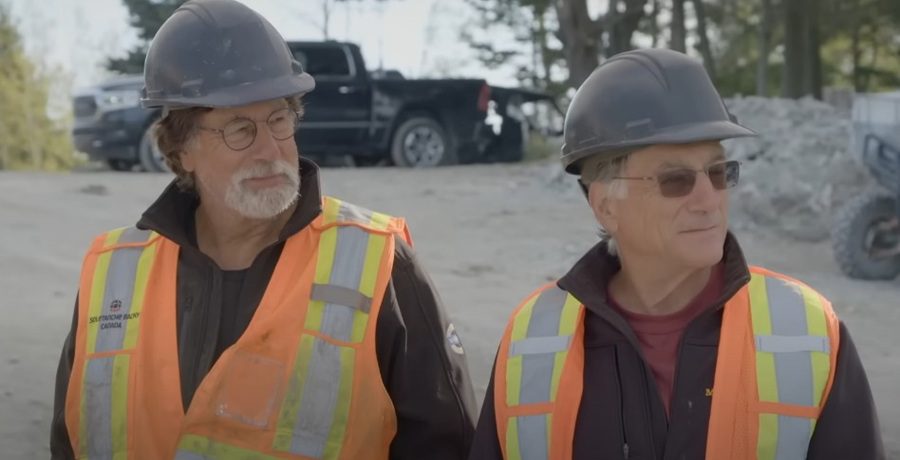
Meanwhile, Oak Island Tours Inc., the company managing the island’s exploration and tourism, offers guided experiences so popular that tours are booked out months in advance.
Taken together, Marty Lagina’s estimated net worth sits between $90 million and $100 million, while partner and engineer Craig Tester, who co-founded Terra Energy with Marty, is worth roughly $80 million. Tester now serves as vice president of Heritage Sustainable Energy, earning an estimated $250,000 annually — though his real wealth comes from years of investment in Oak Island and energy projects.
The Next Generation Joins the Hunt
The family’s reach extends to a new generation. Marty’s son Alex Lagina, an engineer and recurring face on The Curse of Oak Island, has appeared in nearly 100 episodes. Between TV earnings, energy projects, and real estate holdings, his net worth is estimated around $50 million.
Jack Begley, Tester’s stepson, has also carved out a name for himself on the island. Known for his hands-on work ethic, Begley has appeared in over 100 episodes and works as a producer and drone pilot, with a personal company called Remote Energy Solutions. His estimated net worth: $10 million.
And then there’s Gary Drayton, the English-born metal-detecting expert whose finds — including ancient coins and gemstones — have added real value to the show. With his mix of skill, charisma, and catchphrases (“top pocket find!”), Drayton’s fame has translated into a $15 million fortune, built from the show, book deals, and public appearances.

The Treasure That Keeps on Giving
Despite its global success, The Curse of Oak Island remains polarizing. Critics question whether the show prioritizes entertainment over archaeology, pointing to the relatively small historical artifacts found after years of digging. Others argue that the Laginas have already found their true treasure — a lucrative media empire built on hope, mystery, and human curiosity.
Yet, even as skeptics roll their eyes, the brothers continue to fund new digs and explore deeper sections of the island. Their latest discoveries include a 17th-century Spanish coin, a lead cross possibly linked to the Knights Templar, and even parchment fragments featuring 12th-century writing.
Legends Beyond Oak Island
Oak Island’s tale has reignited global interest in treasure-hunting myths. The Laginas themselves have expanded their explorations through Beyond Oak Island, investigating legendary hoards like Captain Kidd’s lost gold in New York’s Gardiner’s Island, the Lima Treasure of Panama, and the fabled cross of pirate Olivier Levasseur in the Seychelles.
Each story follows the same pattern: centuries-old mysteries, elusive maps, and dreamers chasing fortunes that may never have existed. And that, perhaps, is the point.
The Real Fortune
For all their success, Rick and Marty still insist their mission is about legacy, not money. “We’re not just chasing gold,” Marty once said. “We’re chasing answers.”
Whether the island’s mythical treasure ever surfaces or not, one truth is undeniable: the Lagina brothers have already struck gold — not buried beneath Nova Scotia, but broadcast into millions of homes around the world.