Lot 5 Discovery Sparks Excitement: Could a Gold Button and Silver Relic Reveal Oak Island’s Secrets?

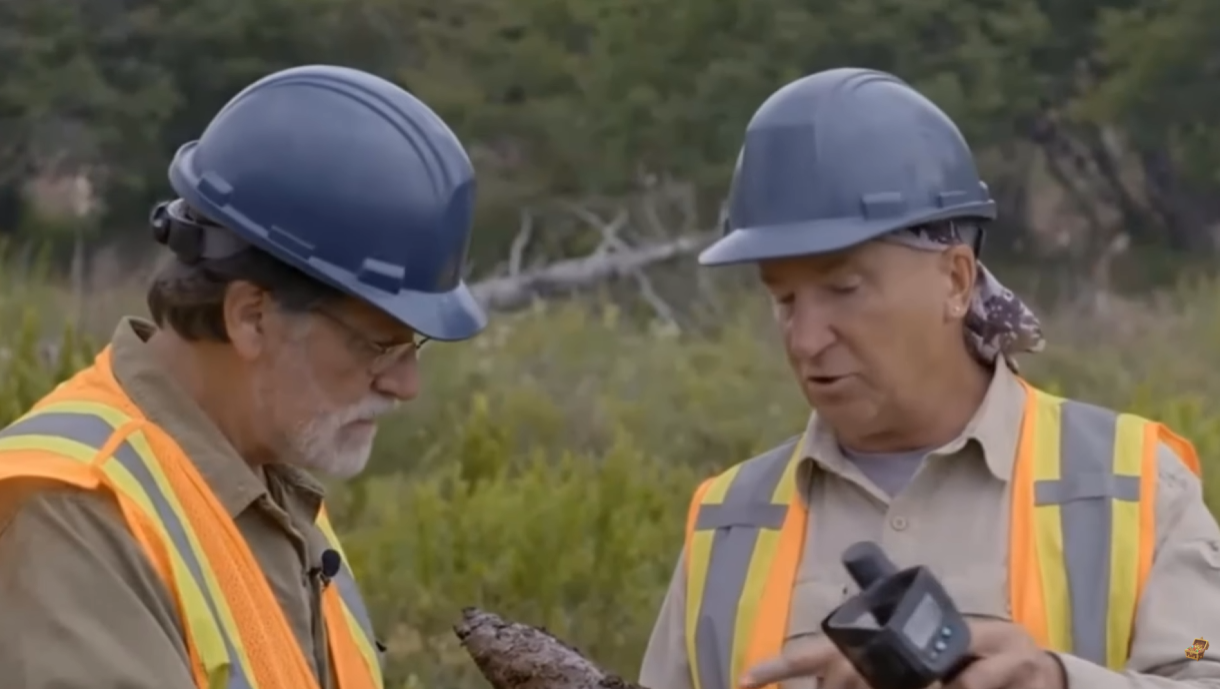
For over 200 years, Oak Island has tantalized treasure hunters with legends of buried riches, booby-trapped pits, and enigmatic artifacts. Now, in the latest season of History Channel’s The Curse of Oak Island, groundbreaking discoveries on Lot 5—a seemingly unassuming shoreline patch—are reigniting debates about the island’s secrets. A gold-plated button and an ornate silver artifact, unearthed by archaeologists Jamie Kouba and Fiona Steele, suggest ties to elite naval figures and wealthy privateers, potentially linking to one of history’s most infamous shipwreck hauls.
Unearthing Elite Relics: A Glimpse into Oak Island’s Hidden Past
The excitement began during routine excavations at an ancient stone foundation on Lot 5, where Kouba spotted a large, shiny object initially mistaken for a simple button. Closer inspection revealed a loop on the back, indicating it was no ordinary fastener. “I’m sure it’s a button ’cause we got the loop on the back,” Kouba remarked, speculating it might have belonged to a high-ranking military officer involved in secretive operations.
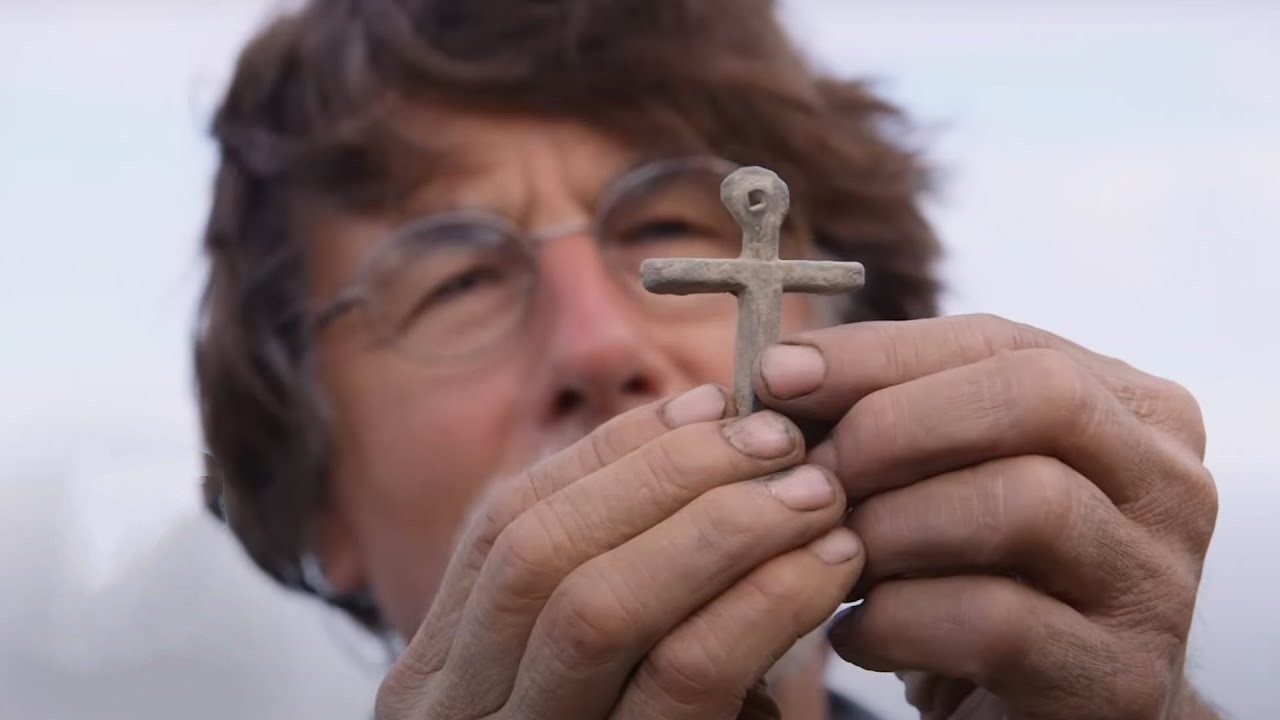
Shortly after, Steele discovered a decorated handle, possibly silver, with intricate carvings suggesting it was part of a tassel, knife hilt, or sword. “Much less a piece this big of what could potentially be silver,” Steele noted, highlighting its craftsmanship as evidence of ownership by someone of significant wealth and status. These finds build on previous Lot 5 discoveries, like a 14th-century lead trade token, fueling speculation that the site was a hub for clandestine activities.

To decode the artifacts, the team consulted metal expert Emma Culligan. Her analysis revealed the button was copper alloy with a 3% gold gilding and 5% phosphorus—a composition atypical for everyday items but common in 1700s naval or gentlemanly accessories. “An object with that composition was probably used for a special military or naval purpose,” Culligan explained. The silver artifact tested at 90% purity, qualifying as legal treasure, with edge slits pointing to ornamental use.
Tantalizing Theories: Sir William Phips and the Concepcion Connection
The artifacts gained deeper intrigue through a theory proposed by Freemason researcher Scott Clark. He links them to Sir William Phips, a 17th-century English privateer who salvaged over 30 tons of gold and silver from the Spanish galleon Concepcion in 1687. Clark suggests Phips, during a second expedition, collaborated with Nova Scotian Freemason Captain Andrew Belcher to bury portions of the loot on Oak Island.
The 1700s-era relics align with this timeline, potentially left by Phips’ crew. Adding weight is a mysterious cement-like substance found on Lot 5 and near the Money Pit—an underground shaft infamous for flooding traps. “What’s really revealing of that age,” one team member observed, theorizing it was used to construct hidden vaults or tunnels for concealing treasure. If proven, this could connect Lot 5 as a staging area for the Money Pit, explaining centuries of legends.

Rick Lagina, co-lead of the expedition, expressed optimism: “I can’t remember a piece of silver I found,” he said, viewing the finds as validation of long-held Concepcion theories. However, Culligan urged caution: “More research is needed to truly understand their origins.”
Oak Island’s Storied Legacy: From Teenage Discovery to Modern Quests
Oak Island’s saga dates to 1795, when teenagers found a depression leading to the “Money Pit”—a shaft with oak platforms every 10 feet and exotic fillings like coconut fibers. Early expeditions, like the Onslow Company (1803) and Truro Company (1849), hit flooding and collapses, yielding claims of chests and bodies but no treasure.
The 20th century brought figures like William Chappell (1931), who found axes and anchors, and the Oak Island Treasure Company (1960s-70s) using sonar. Today, brothers Rick and Marty Lagina’s Curse of Oak Island employs cutting-edge tech, uncovering artifacts like an 1,800-year-old Roman sword and ancient parchments—challenging timelines of European contact with North America.
Theories abound: Pirate Captain Kidd, Marie Antoinette’s jewels, Knights Templar relics, or even Shakespeare manuscripts. Some posit the Money Pit as a decoy, with true treasures nearby.
Skepticism Persists: Natural Phenomena or Elaborate Hoax?
Despite the hype, skeptics abound. Geologists like Gordon Fader argue the Money Pit is a natural sinkhole from eroded bedrock. Historian Joy Steele suggests it was a British industrial site for pine tar production, explaining charcoal and putty layers.
Critics note the lack of firsthand accounts for key finds, like a 90-foot inscribed stone (translated as “40 feet below, 2 million pounds are buried” but later disputed). After 10 seasons and millions invested, no major treasure has surfaced, prompting figures like Joe Rogan to call it a “wild goose chase.”
Yet, for believers, Oak Island symbolizes human perseverance. Discoveries could rewrite history, revealing ancient voyages or secret societies.
Broader Implications: A Cultural Renaissance?
Unraveling Oak Island might transcend riches, offering insights into lost civilizations and inspiring global curiosity. As Lagina’s team presses on, Lot 5’s relics could be the breakthrough—or another layer in the island’s enduring enigma.