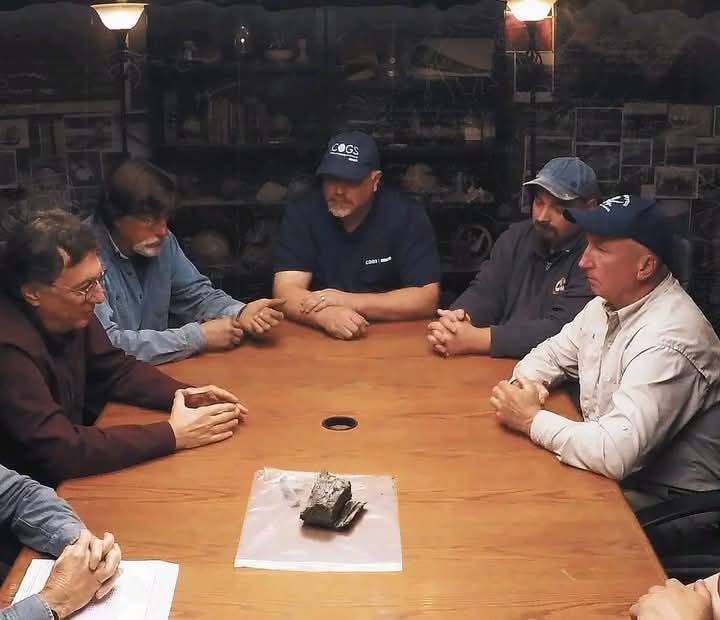
In a thrilling development on Oak Island, the treasure-hunting team has uncovered what could be their biggest breakthrough yet. Rick Lagina, co-leader of the Oak Island team, called an emergency meeting in the War Room to discuss the latest findings. The room was packed with anticipation as members pored over new evidence that could lead them to multiple buried treasure caches.
“We have to follow where the clues lead us,” Rick stated. He tasked researchers Doug Crowl, Judy Roudabush, and historian Terry Deveau with combing through archives for searcher records. Their journey led them to the Connecticut Museum of Culture and History, where they stumbled upon documents related to early treasure hunter Frederick Blair.
Among the materials was a significant find a copy of what was referred to as the “Blair Treasure Map,” first seen by William B. Goodwin in the early 1930s. The map detailed a series of stone markers on Oak Island, hinting at three separate treasure locations. Armed with this knowledge, the team set out to verify the existence of these markers.
Following the Map: A Treasure Hunt Begins
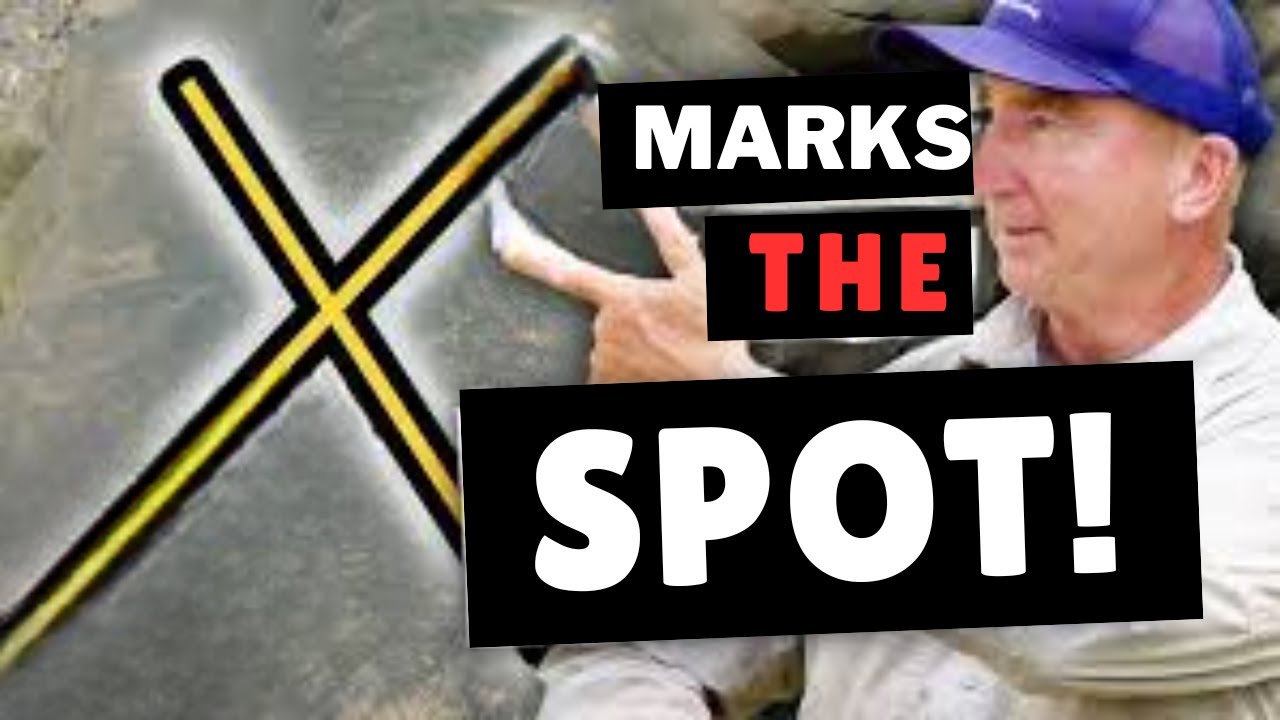
The first key landmark the team identified was a flat rock with a large “X” carved into its surface. “It really does match the map,” one of the team members exclaimed. However, a sweep with a metal detector revealed no immediate metallic artifacts beneath or around the stone.
Undeterred, they pressed on to the next marker, a stone with an “X” and square markings. “This has got to be the one,” another team member noted upon discovering a rock bearing similar carvings. Yet again, a metal detector scan yielded no immediate results, leaving the team to speculate that the stones might be directional markers rather than direct hiding spots for treasure.
A third rock was then located a kidney-shaped stone, exactly as described on the Goodwin map. “Three for three!” one of the searchers celebrated, as the team marveled at how accurately the map corresponded with the terrain.
Final Marker Leads to Major Discovery
Excitement reached its peak when the team finally located the fourth and most anticipated landmark a large boulder that appeared to have been cleaved in half, possibly by lightning. As metal detectors swept the area, they suddenly registered a powerful signal. Digging cautiously, the team unearthed a heavily rusted iron artifact.
“It looks like an old cribbing spike,” one of the team members observed. “If I had to guess, I’d say this dates back to the 1700s—or even earlier.”
The implications of the find were immediate and electrifying. “This takes it from just a rock on a map to a place where there has been human intervention,” another searcher noted. The discovery added credence to the idea that someone had either searched for or hidden treasure in the area long ago.
What’s Next?
With this breakthrough, the team plans to analyze their findings and determine their next steps. The metal artifact will be examined by experts to ascertain its age and possible origins. Meanwhile, excavations in the area are likely to intensify as the team hopes to validate the Goodwin map’s accuracy.
“We need to go back and inform the guys about what we’ve found,” one team member said. Before securing the artifact, another grinned and called it a “top pocket find,” a phrase now synonymous with the most significant discoveries on Oak Island.
As the sun set over the mysterious island, the team left the dig site with renewed energy. Could this be the final puzzle piece leading to Oak Island’s legendary treasure? Only time and further digging will tell.
Stay tuned for more updates from Oak Island as the search for lost treasure continues!