Oak Island Breakthroughs: Ancient Tools and Templar Ties Unearthed in Latest Digs

The enduring enigma of Oak Island continues to captivate audiences worldwide as the Lagina brothers and their team uncover tantalizing clues in the latest episode of “The Curse of Oak Island.” From ancient tunneling tools buried over 160 feet deep to mysterious wooden structures in the swamp and fresh historical links to the Knights Templar and Malta, the show delivers a barrage of discoveries that could rewrite the island’s 230-year-old mystery.
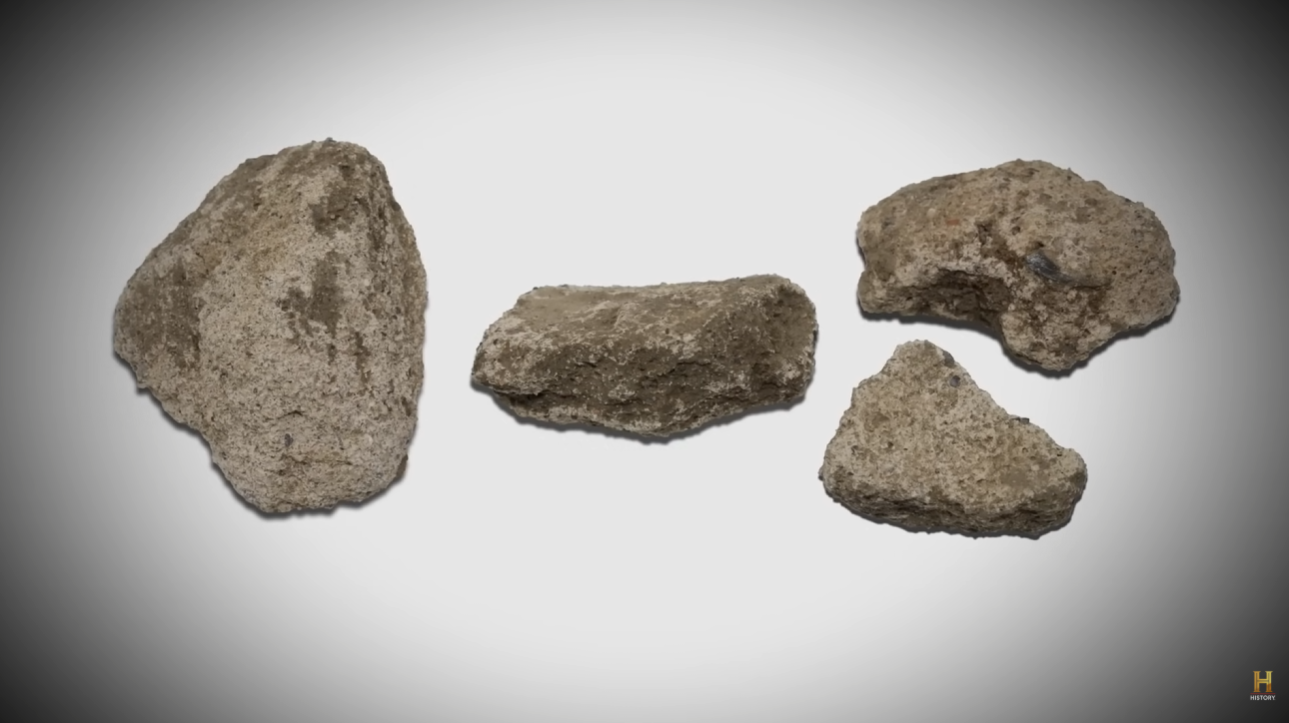
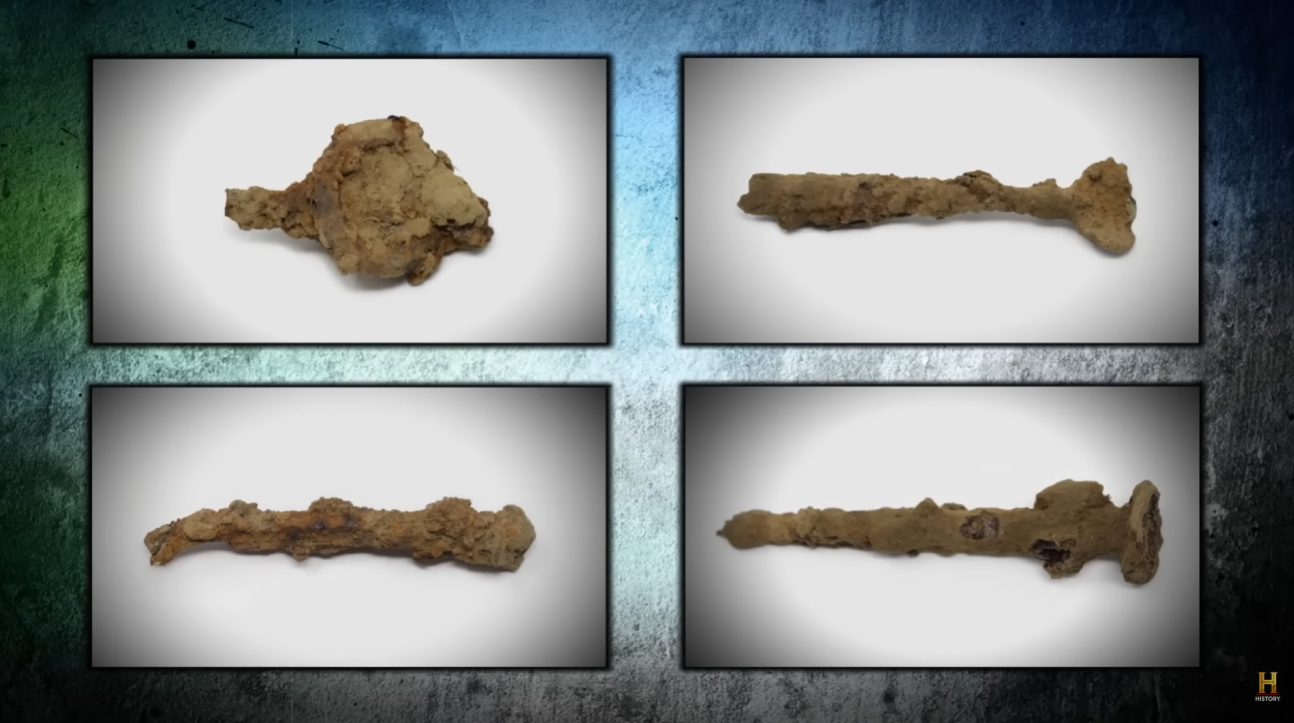
In the Money Pit area, the team’s ambitious excavation in the Toot1 shaft—now deeper than any previous hunt—yielded a potential game-changer: a fragment of what appears to be a wrought-iron pickaxe. Metal detection expert Gary Drayton and Marty Lagina spotted the artifact amid spoils from over 160 feet underground. “That could be a really old tool, mate. I bet that’s like an old pickaxe,” Drayton remarked during the dig.
Blacksmithing expert Carmen Legge examined the piece in the Oak Island Lab, noting its chunky design and folded grains indicative of repeated impacts on stone. “The only time I see primitive mining tools that were this shape and this size was from the 1500s, maybe early 1600s,” Legge concluded. Scientific analysis by archaeometallurgist Emma Culligan revealed impurities like potassium, phosphorus, and sulfur, dating it potentially between the 1500s and 1700s—centuries before the Money Pit’s 1795 discovery.
This find echoes a similar pickaxe recovered in 2019 from a nearby shaft and tools shown to the team during a recent Malta visit, where historian Matthew Balzan linked them to 16th-century Knights of Malta tunneling. Rick Lagina pondered: “The dates seem to line up with the Knights of Malta having a presence in Nova Scotia. This could be a very important connection.”
Meanwhile, in the True Believer 1 (TB1) shaft, supervised by Vanessa Lucido of Roc Equipment, the team pushed toward a suspected vault at 150-160 feet. After easy casing installation suggested a void or soft soil, they encountered an obstruction at 160 feet. As the hammer grab clawed deeper, wood fragments emerged, including a piece marked with a Roman numeral “III” and dowels reminiscent of U-shaped structures from prior digs. “It implies the same construction methodology,” Marty noted.
Excitement peaked, but disaster loomed when the ground collapsed around the oscillator, creating a 30-foot drop. “This is a huge deal. This is how disasters occur,” Rick warned. The team backfilled and monitored, determined to press on safely. “We’re far from quitting right now,” Lucido assured.
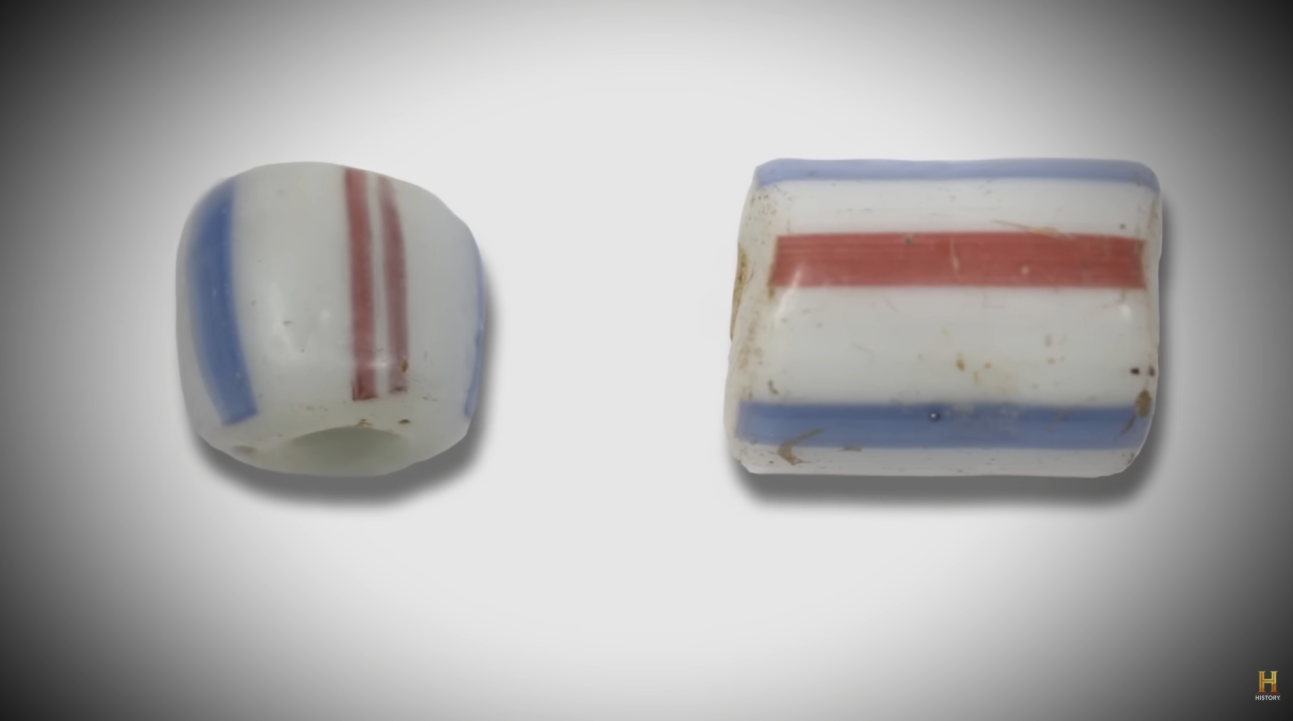
On Lot 5, near a rounded stone foundation yielding prior clues like 17th-century Phoenician beads and iron tools tied to Sir William Phips, Gary Drayton and Peter Fornetti unearthed a copper plate from spoils. “This is, I believe, some kind of belt plate… It could have been on a soldier, a sailor’s uniform,” Drayton speculated.
Lab scans revealed it as a copper-zinc alloy with iron, lead, and arsenic—elements fading from use by the late 1700s, potentially dating to the 1600s. “The presence of arsenic as an alloying element could push the date back to the 1600s,” Culligan said. This aligns with the Phips theory: In 1687, the English captain salvaged silver from the Spanish galleon Concepción but delivered suspiciously little to the crown. Researcher Scott Clark posits Phips and Freemason Captain Andrew Belcher hid the rest on Oak Island.
In the swamp’s northern region, excavating near a cobblestone pathway revealed a massive wooden structure: north-south “carry logs” supporting east-west “platform logs” atop a layer of cobbles. “This was meant to carry extremely heavy loads,” Rick observed. Geoscientist Dr. Ian Spooner noted its ramp-like design, possibly for bog access. Samples will be dated, but Spooner suggested: “If this feature is the same age as the Eye of the Swamp, that lines up with the William Phips theory.”
The Eye of the Swamp—a boulder formation resembling the Masonic “all-seeing eye”—was dated to 1680-1700 in 2019. If linked, it bolsters Phips’ involvement.
Across the Atlantic in Malta, the team explored Templar-Malta connections. In Mdina’s old capital, researcher Corjan Mula traced a generational line: From 12th-century Hospitaller William de Villaret to 14th-century Templar Gérard de Villaret (who fled with treasures post-1307 arrests), through Maltese Grand Master Philippe Villiers de L’Isle-Adam, to Katherine de Villaret—mother of Isaac de Razilly, who founded Acadia (Nova Scotia) in 1632, just 15 miles from Oak Island.
“This Templar secret and treasure perhaps handed over to generations of the Villier and the Razilly?” Mula proposed. Symbols like the four-dot cross (on Oak Island’s HO stone) appeared in Maltese sites, hinting at hidden relics.
As the season winds down, Rick reflected: “I’m excited about the possibilities of what Oak Island represents.” With voids, vaults, and ancient artifacts teasing answers, fans eagerly await whether the Laginas will finally crack the curse.