OAK ISLAND DISCOVERY: NEW EVIDENCE PROVES PEOPLE ONCE LIVED — AND BUILT — ON THE MYSTERIOUS ISLAND

A MYSTERY OLDER THAN HISTORY
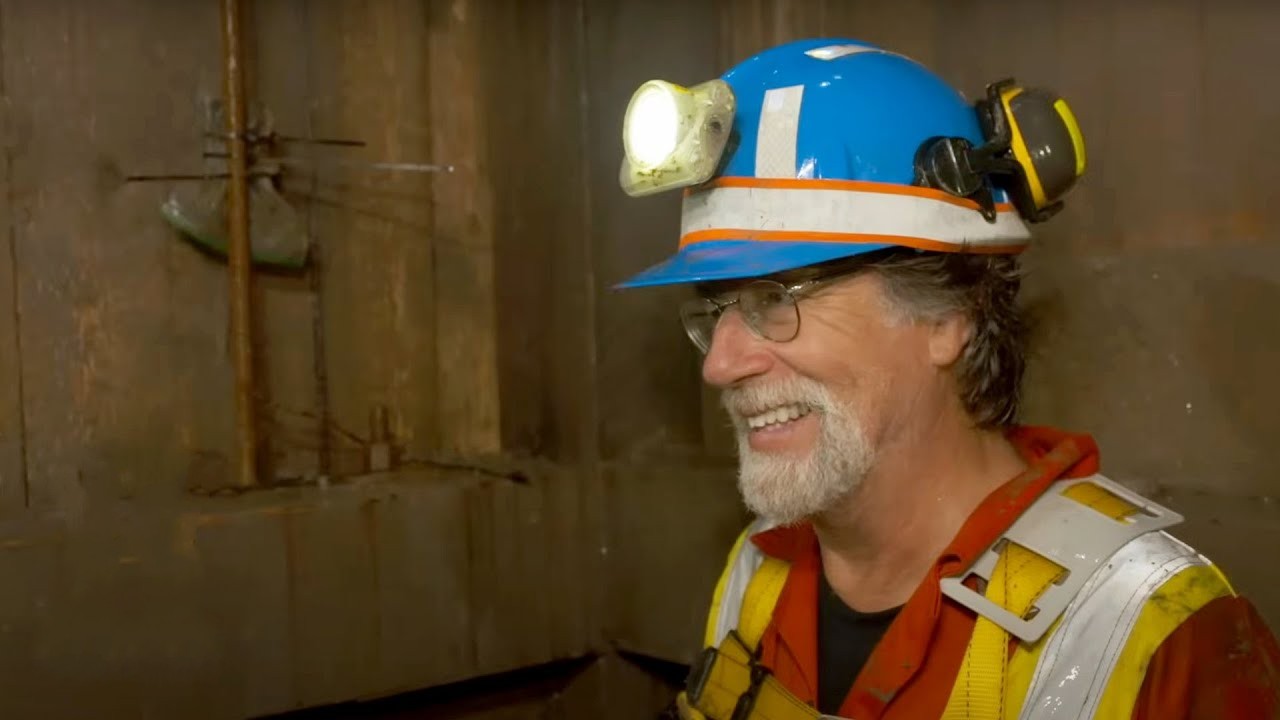
After more than two centuries of speculation, treasure hunts, and near-mythical theories, Rick and Marty Lagina and their intrepid team from The Curse of Oak Island have uncovered their most compelling evidence yet — proof that people once lived and worked on the island long before modern history recorded it.
Their discoveries, spread across the swamp, the Garden Shaft, and the Upland Road, are painting a picture of Oak Island not as a barren outcrop hiding a treasure, but as a planned, inhabited site built with purpose, skill, and astonishing engineering.
THE STONE ROAD THAT SHOULDN’T EXIST
The latest revelation centers on an ancient stone road buried beneath the island’s southeastern swamp — a triangular-shaped area long believed to hold a connection to the fabled Money Pit.
The team began by excavating what appeared to be a stone walkway in the swamp’s southeast corner. The alignment, shape, and material of the stones quickly confirmed it was no natural feature. Some stones even matched those that form Nolan’s Cross, the mysterious megalithic formation discovered by the late surveyor Fred Nolan in 1981.
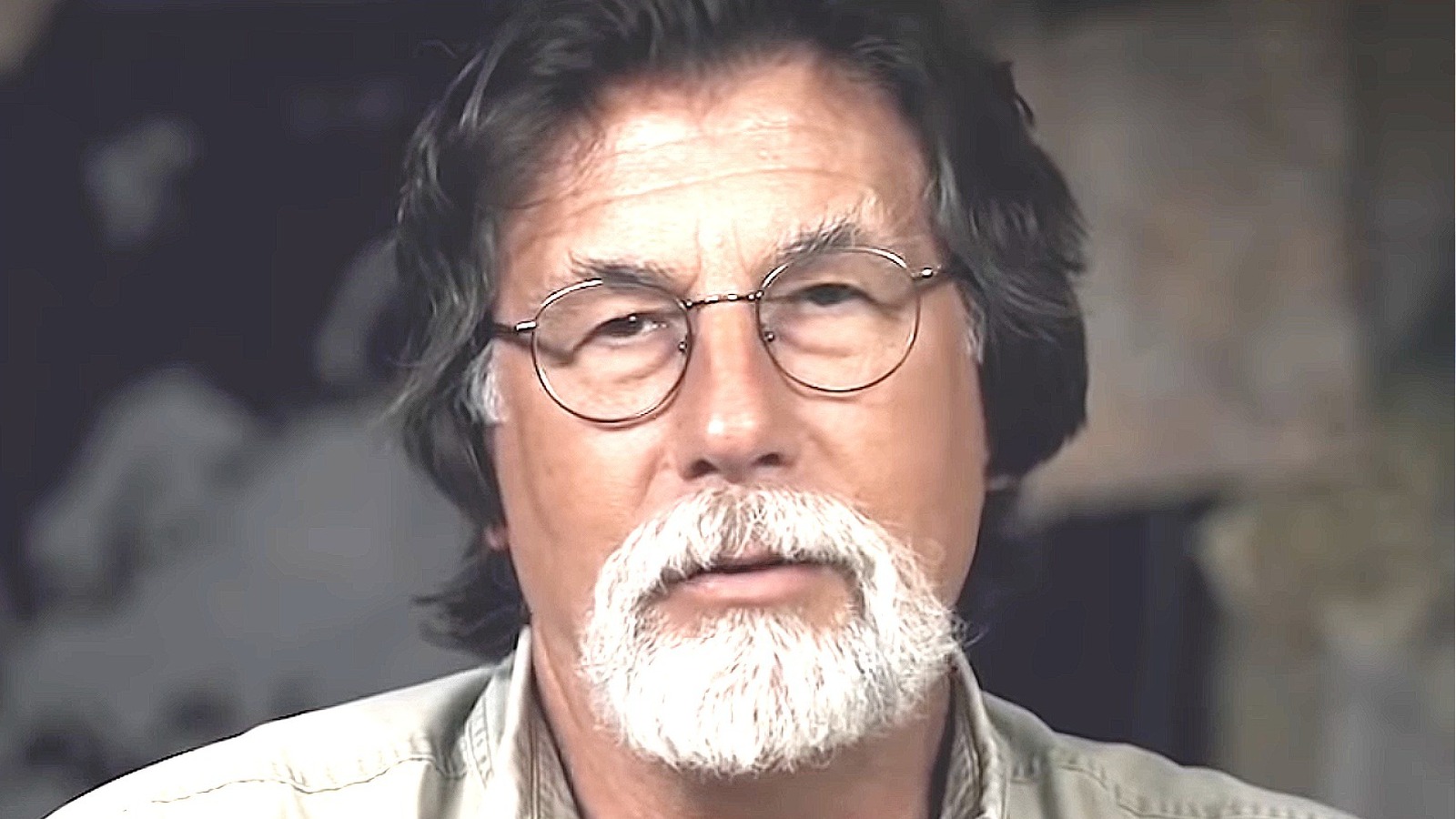
“These weren’t tossed here by chance,” said archaeologist Dr. Aaron Taylor. “They were placed — deliberately, methodically — by people who understood construction and transport.”
Geoscientist Dr. Ian Spooner agreed, noting that many stones had come from deep below the island’s natural surface, suggesting they were excavated elsewhere and moved into the swamp. “That tells us the swamp was engineered,” Spooner said. “It may never have been a swamp at all — it might have been part of a much larger system.”
COCONUT FIBERS AND THE GARDEN SHAFT CONNECTION
While exploring between Smith’s Cove and the Garden Shaft, the team found coconut fiber mixed within layers of the old roadbed — a material foreign to Nova Scotia. Its discovery supports the theory that Oak Island once hosted global visitors, possibly mariners or merchants centuries before recorded colonization.
“It’s deliberate,” said Marty Lagina. “Someone built a reinforced road to move materials. That’s not random — that’s industry.”
The find also strengthens the idea that the swamp, stone road, and Money Pit are connected — perhaps as part of a system designed to transport, conceal, or protect something of immense value.
DIGGING DEEPER: A MAN-MADE TUNNEL AT 95 FEET
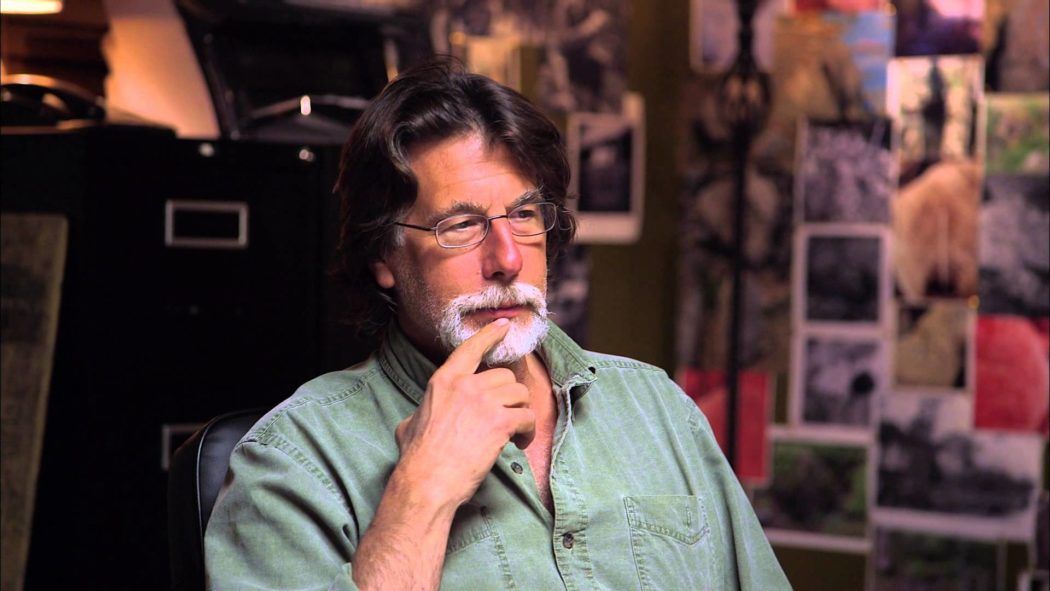
The most dramatic discovery came when excavations reached 95 feet below the surface, revealing a seven-foot-wide tunnel heading toward what the team calls “the Baby Blob” — a dense anomaly detected through ground-penetrating radar.
Wooden beams, structural timbers, and voids hinted at a complex network below. Using a mounted camera on an excavator arm, the team captured eerie footage of a constructed wooden walkway, suggesting the tunnel is part of a much larger underground complex.
“This isn’t nature,” said Marty. “This was built. It’s architecture.”
THE HIDDEN ROAD UNDER SAMUEL BALL’S LAND
Further north, under land once owned by Samuel Ball, a freed slave who became one of Nova Scotia’s wealthiest men, the team uncovered another subterranean pathway.
Ball’s land has long been central to Oak Island lore — and this discovery reignites questions about whether he knew more than he ever revealed. The tunnel beneath his property appears to align with Shaft 6, one of the earliest known attempts to reach the Money Pit’s treasure vault.
Rick Lagina reflected on the historical significance: “Every structure we find suggests that people here had knowledge, resources, and purpose. This was a working island — not just a legend.”

THE FRENCH MAP AND THE TEMPLAR CONNECTION
Adding fuel to centuries of speculation, the team revisited Zena Halpern’s 14th-century French map, which marks specific points — including a “hatch,” a “valve,” and a “stone triangle” — that align eerily well with modern discoveries.
Historian Chris Morford theorized that the Knights Templar, fleeing persecution in medieval Europe, may have used Oak Island as a hidden outpost. “The geometry of Nolan’s Cross isn’t random,” Morford explained. “It mirrors sacred Templar designs. If they buried something here, they wanted it protected — symbolically and physically.”
The team brought in surveyor Steve Guptill, whose measurements confirmed the precision of the alignments. The results, while not conclusive, were enough to keep the Templar theory alive — and thriving.
THE SWAMP THAT USED TO BE A FOREST
In one of the most haunting discoveries this season, Rick Lagina and Gary Drayton unearthed several massive tree stumps buried deep within the swamp, each showing clean, tool-cut marks.
“The swamp wasn’t always a swamp,” said Rick. “It was once forest — cut down, flooded, and repurposed. Someone engineered this landscape.”
If the wood can be dated accurately, it could reveal when the island’s transformation began — and possibly who was responsible.
SECRETS BENEATH THE SEA
Meanwhile, Jack Begley, Alex Lagina, and diver Tony Sampson turned their attention offshore, investigating a triangular structure on the seafloor aligned directly with the Money Pit. The team believes it may be part of a second flood tunnel system, designed to defend the treasure vault from intrusion.
Diving in the cold Atlantic, Alex described the tension. “Every time we think we’re close, the island gives us just enough to keep going.”
A HISTORY BEING REWRITTEN
From stone roads and wooden tunnels to ancient maps and engineered swamps, every discovery adds another layer to the mystery — suggesting that Oak Island was not simply the site of a hidden treasure, but part of a larger, centuries-old operation.
As Rick Lagina put it, “We’re not just digging for gold or artifacts — we’re digging for truth. Every stone we lift, every tunnel we open, it all points to one thing: someone was here long before us. And they wanted to be remembered.”
The question now is why.
Was Oak Island a secret repository of Templar treasure? A 17th-century engineering marvel? Or something far older, tied to explorers whose records were lost to time?
Whatever lies buried beneath Nova Scotia’s most enigmatic island, one fact is undeniable — the legend is no longer just a legend. It’s history waiting to be revealed.