Oak Island Investigation Returns to the Swamp as New Finds Deepen the Mystery

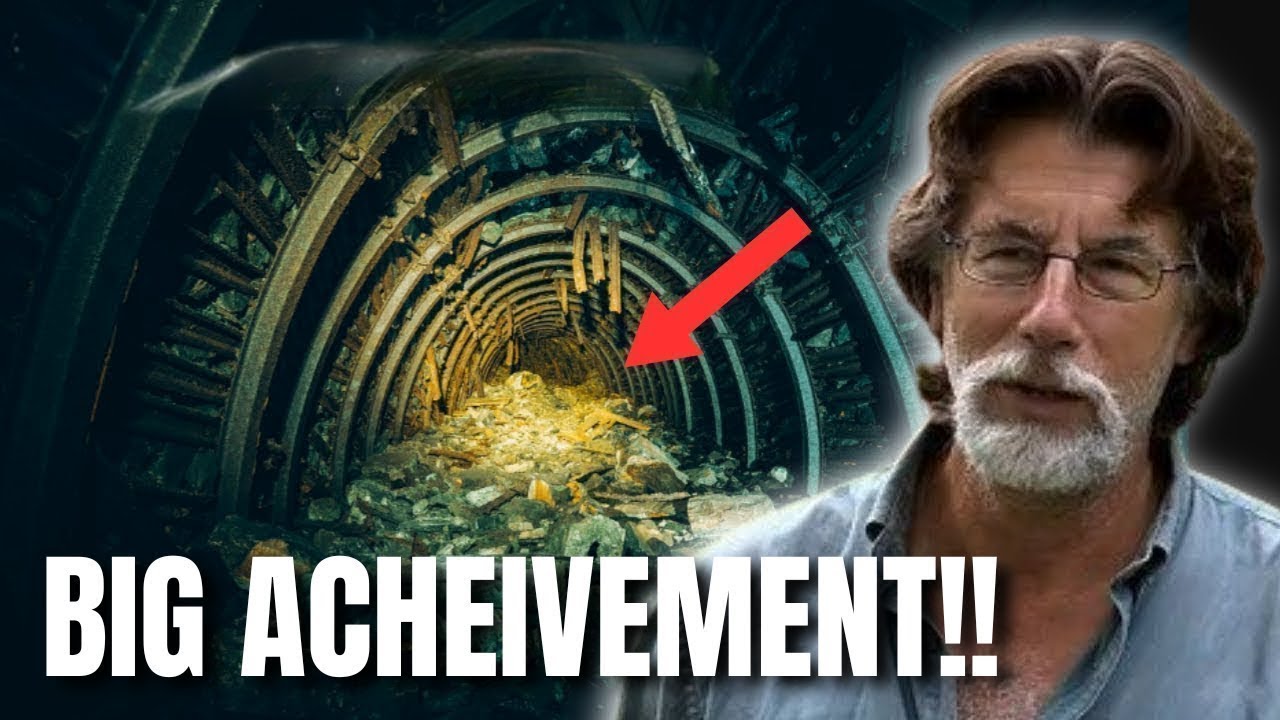
The long-running search on Nova Scotia’s Oak Island has taken another decisive turn, with renewed excavation in the swamp, fresh discoveries on Lot 5, and increasingly compelling evidence emerging from deep beneath the Money Pit. After years of setbacks, water intrusion and unanswered questions, the team behind The Curse of Oak Island believes it may be closer than ever to understanding who worked on the island—and why.
Attention has once again shifted back to the swamp, an area long suspected of concealing deliberate human activity. Rick Lagina, undeterred by the difficult terrain, ordered further exploration after renewed confidence that the area could hold crucial answers. Once drained, metal detection work quickly produced results. Beneath wooden planks and layers of mud, the team uncovered an iron spike believed to date back around 300 years, resembling fasteners used on Spanish ships from the late 17th to early 18th centuries. The find has renewed speculation that the swamp may have been engineered to hide a vessel.
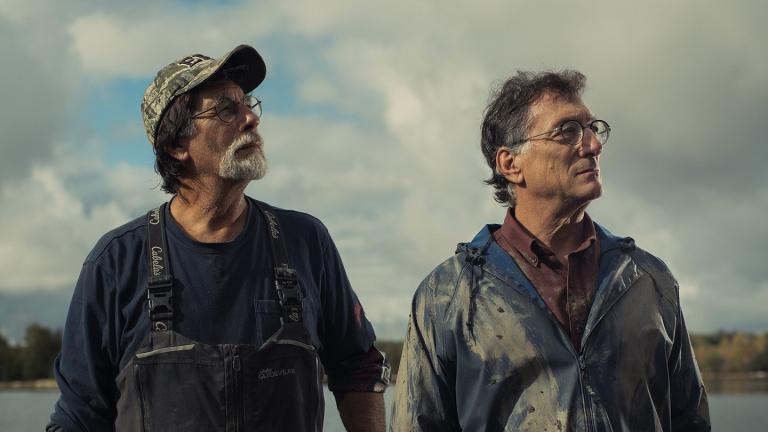
This theory echoes the long-held views of the late Fred Nolan, who argued that the swamp’s unusual triangular shape suggested intentional construction rather than natural formation. Supporting this idea, the team uncovered additional iron objects, charred wood fragments, and what appears to be a stone pathway or dock structure beneath the mud. Experts suggested the stonework could date to the early 1700s and may have been used to transport heavy or valuable goods. The presence of burned material embedded in iron has raised questions about whether a ship was deliberately damaged and sunk to conceal its remains.
Elsewhere on the island, Lot 5 has emerged as a site of growing importance. Archaeologists uncovered a complex stone foundation, initially believed to be a simple rock-filled pit, but later revealed to be a structured feature with carefully preserved outer walls and a looser central fill. Artifacts recovered from the area include barrel straps, nails with copper corrosion, porcelain fragments, and creamware pottery dated to around 1762. These items suggest sustained and possibly well-funded activity on the island decades before the Money Pit was first recorded in 1795.

The nature of the Lot 5 structures has raised further questions. The design appears intentional, possibly constructed to contain or protect something rather than serve a domestic purpose. Some team members have speculated that the site may have been used for military or logistical operations, challenging the long-standing focus on pirate treasure as the island’s sole explanation.
Meanwhile, deep underground near the Money Pit, sonar scans and drilling have revealed what investigators believe are man-made features inside a large cavity known as Aladdin’s Cave. Straight lines, squared edges and possible walls detected in sonar images have strengthened the case for engineered underground spaces. Borehole drilling reached a cavern at more than 140 feet, prompting the team to lower a 360-degree camera into the dark, sediment-filled void. Though visibility was limited, footage appeared to show distinct openings and wall-like structures, hinting at tunnels or chambers beyond reach.
Water intrusion continues to complicate the work. In the Garden Shaft, a sudden surge revealed a hidden cavity behind a wooden wall, filled with timber and flowing water. While frustrating, the unexpected find raised hopes that it could connect to another unknown chamber.
Taken together, the discoveries across the swamp, Lot 5 and the Money Pit suggest Oak Island was the site of coordinated, large-scale activity long before modern treasure hunters arrived. Whether driven by military planning, trade, or the concealment of valuable materials, the evidence increasingly points to deliberate design rather than coincidence.
After more than two centuries of speculation and more than a decade of modern investigation, Oak Island continues to resist simple explanations. Each discovery adds context but also deepens the mystery, reinforcing the idea that the island’s true story may be far more complex than legends of buried treasure alone.