
The questions arrive every season, usually right after another giant caisson drops into the ground or a new specialist joins the war room: who is actually financing The Curse of Oak Island—and how does the digging get paid for?
A widely shared fan-made video now claims to “delve deep into the numbers”, arguing that the show’s finances are a blend of television production budgets, private investment, and ancillary business activity tied to the island. But while the video offers confident figures for cast earnings and net worth estimates, much of it sits in the grey zone between informed guesswork and verifiable fact.
What can be said with confidence is this: Oak Island is, first and foremost, a television production. That means the baseline costs—crew, cameras, post-production, insurance, travel, compliance, and a significant portion of on-island logistics—are typically covered through the series’ production budget. In most reality and factual-entertainment formats, that budget is ultimately backed by the broadcaster commissioning the programme, with a production company managing the spend and delivery.
Where it becomes more complicated is the excavation itself.
The dig as production — and the dig as private project
The video frames the treasure hunt as something the Lagina-led partnership would be pursuing regardless of television, and suggests that private funding—especially from Marty Lagina’s wider business success—helps make large-scale operations possible.

That argument is plausible in structure, even if the video’s specifics are difficult to confirm. The on-island work has two overlapping purposes: it produces television, and it advances a long-running exploration project. Some costs can be justified as production requirements (filming a drilling programme, documenting archaeological work), while other costs look more like long-horizon investment in research, access, and infrastructure.
In practice, the most realistic model is a hybrid:
-
The show pays for the show: production costs, schedules, field crews, and the activity required to create episodes.
-
The partners pay for the project: ownership-related costs, long-term planning, and any work undertaken primarily for exploration rather than filming.
-
Additional income helps: merchandising, licensing, and other commercial tie-ins can offset costs, even if they are not the main engine.
The video also highlights product placement and commercial partnerships as supplementary funding. That is consistent with broader reality-TV economics, although the scale and terms are rarely public.
Cast pay: what is known, what is claimed
The video states the cast are “paid on a per season deal” and “aren’t legally bound to be present in each single episode,” describing this as a typical reality-TV structure. That matches common industry practice: many factual shows contract key contributors per season, with varying day rates and episode commitments.

Where the video becomes more contentious is in its specific pay claim—suggesting that “cast members… are paid around $100,000 per episode,” and that Rick and Marty might take in around $2 million per season, based on episode counts.
Those numbers may circulate online, but they are not universally documented in primary sources. A more responsible way to frame it is:
-
Exact per-episode fees are not publicly confirmed for most cast members.
-
Lead talent on long-running, high-rating series can command significant compensation, but the real figure depends on seniority, producer credits, and negotiation leverage.
-
Supporting contributors and specialists often earn far less than headline estimates, and may be contracted for fewer filming days than viewers assume.
Net worth figures: entertaining, but not evidence
A major section of the video attempts to map personal wealth across the cast—Rick Lagina, Marty Lagina, Alex Lagina, Craig Tester, Jack Begley, Charles Barkhouse, Gary Drayton and others—offering large net worth totals and biographical summaries.
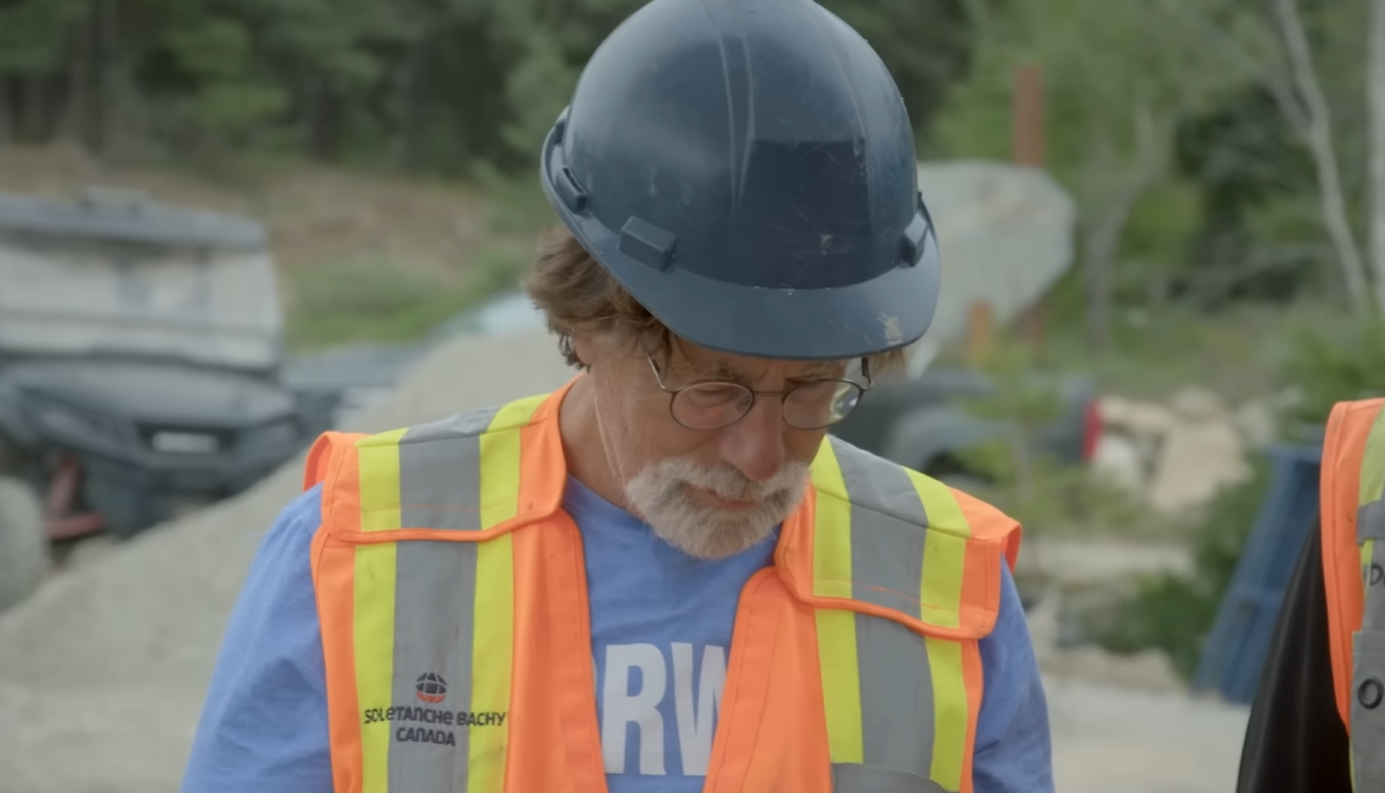
This style of content is popular because it feels like “behind-the-scenes clarity”. The risk is that net worth estimates, especially those sourced from secondary websites or social media chatter, can be speculative. Even when broadly directionally correct—Marty Lagina’s business success is well documented—the precise number is difficult to pin down without reliable financial disclosures.
What viewers often miss: permits, oversight, and pace
The video touches on the scale of operations, but it is worth remembering how many constraints can shape costs.
Excavation on a site like Oak Island is not simply a matter of “dig until you find something.” There are permitting requirements, archaeological oversight, safety protocols, and seasonal limits. These factors can drive up cost quickly, and can also explain why the show sometimes appears to move slowly: it is not always a creative decision, but an operational one.
So who pays, really?
Based on the structure described in the video—and what is typical for long-running factual series—the most likely answer is that Oak Island is financed through a combination of television production funding and private project investment, with extra commercial income helping around the edges.
As for what each crew member makes: the honest answer is that public certainty is limited. The video provides eye-catching figures, but without transparent contracts or direct confirmation, those numbers are best treated as estimates, not settled fact.
If you want, I can rewrite this into a tighter, more click-oriented version for a Facebook post and keep it fully “reach-safe” while still sounding credible and analytical.