Oak Island Mysteries Deepen: Treasure Hunters Unearth Ancient Coins, Buttons, and Artifacts in Ongoing Quest

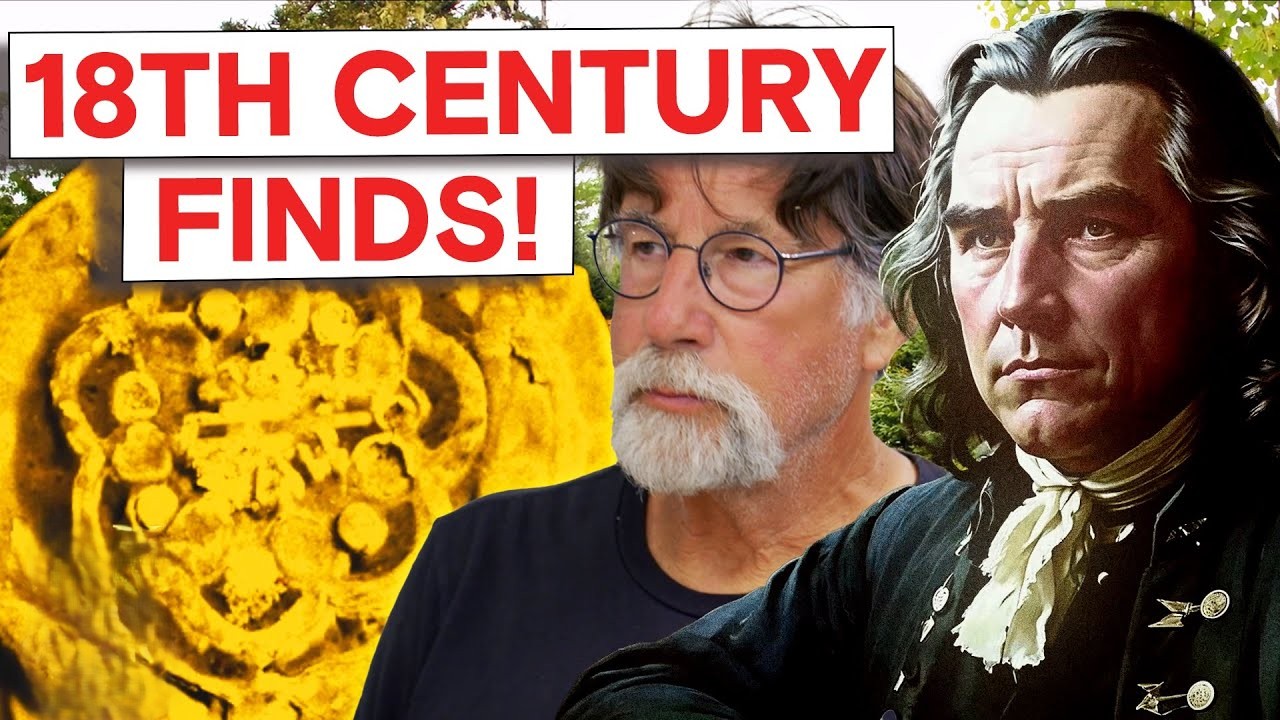
In the fog-shrouded enigma that is Oak Island, the relentless pursuit of buried treasure continues to yield tantalizing clues from centuries past. The latest expeditions by the dedicated team featured on “The Curse of Oak Island” have uncovered a trove of artifacts that could rewrite the island’s storied history, linking it to British operations, ancient wharves, and even notorious figures like Sir William Phips.
Metal detection expert Gary Drayton and treasure hunter Michael John kicked off the recent efforts on Lot 32, a site west of the island’s infamous swamp. Eager to build on prior discoveries, the duo quickly hit pay dirt—or rather, ancient coinage. “It’s a coin, mate. It’s a coin,” Drayton exclaimed as they pulled a thin, round-edged piece from the soil. Preliminary assessments suggest it’s an old British copper, potentially dating to the 1700s or even the 1600s, echoing finds from four years ago on nearby Lot 16, where 17th-century Charles II coins were unearthed.
Drayton, ever the optimist, noted the coin’s depth as a sign of age: “The deeper it is, the older it normally is.” The find builds on last week’s revelation of a large spike, believed by blacksmithing expert Carmen Legge to be a ship-anchoring tool from three centuries ago. Combined with a previously discovered lead cargo bag seal, these artifacts fuel speculation about wartime activity and cargo unloading in the area. “I want to know what they were unloading here and what connection this area has to the Money Pit,” Drayton said, referring to the island’s legendary shaft rumored to hold untold riches.

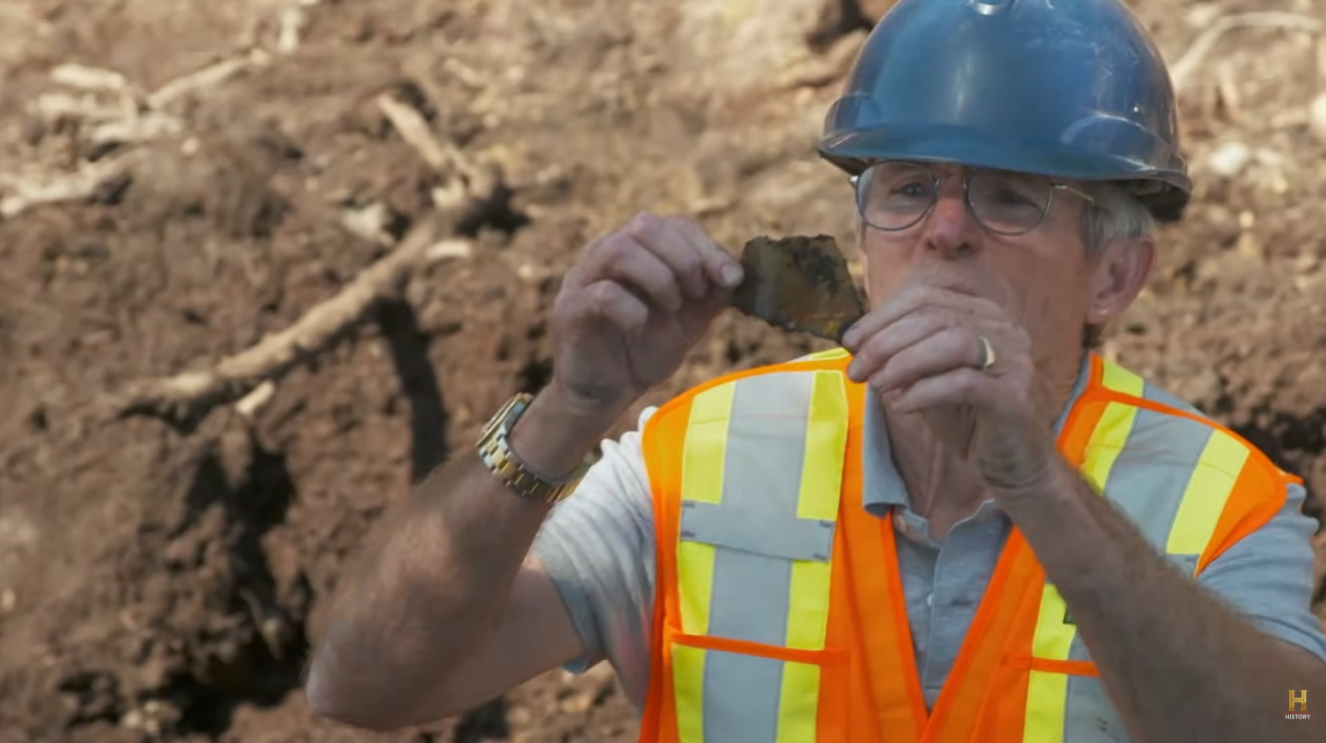
The excitement didn’t stop there. Shifting focus to the southeastern corner of the triangle-shaped swamp, team leader Rick Lagina and archaeologist Miriam Amirault explored extensions of a stone road, possibly an ancient ship’s wharf. Two weeks prior, Terry Dooley of the New England Antiquities Research Association dated the structure to 1500s European construction. Recent digs revealed pottery shards, bubbly black glass indicative of early manufacturing, and fragments of an English wine bottle from the 1770s or 1780s.
“We’ve hit a mother lode here,” Drayton declared amid the pottery haul. Amirault concurred, highlighting the bottle’s neck and rim as key identifiers: “This could easily be an English wine bottle… That’s 1770s, 1780s, I’d say.” These 18th-century British relics raise questions: Were they discarded by early searchers or depositors of the island’s fabled treasure? The site’s proximity to barrel pieces and potential galleon remnants suggests a bustling hub for offloading valuables.
Further west on Lot 5, the team tackled a mysterious rounded stone foundation, a “conundrum” that has expanded dramatically over two years of investigation. Joined by archaeologist Fiona Steele, Drayton scanned the area, detecting iron tools and a non-ferrous signal—hinting at copper, lead, or gold. “I’m telling you now, there’s only three metals that really make that sound,” he teased.
The next day, the target revealed itself: an ornate copper alloy button with a floral design, unearthed by the team including Craig Tester and Laird Niven. “That’s a weird looking button… almost floral,” one member observed. In the Oak Island Lab, archaeometallurgist Emma Culligan used X-ray fluorescence (XRF) mapping to unveil intricate petals and an outer ring pattern. “That’s a flower. And there’s an intricate flower inside,” Culligan explained, dating it tentatively to the late 1600s or 1700s.
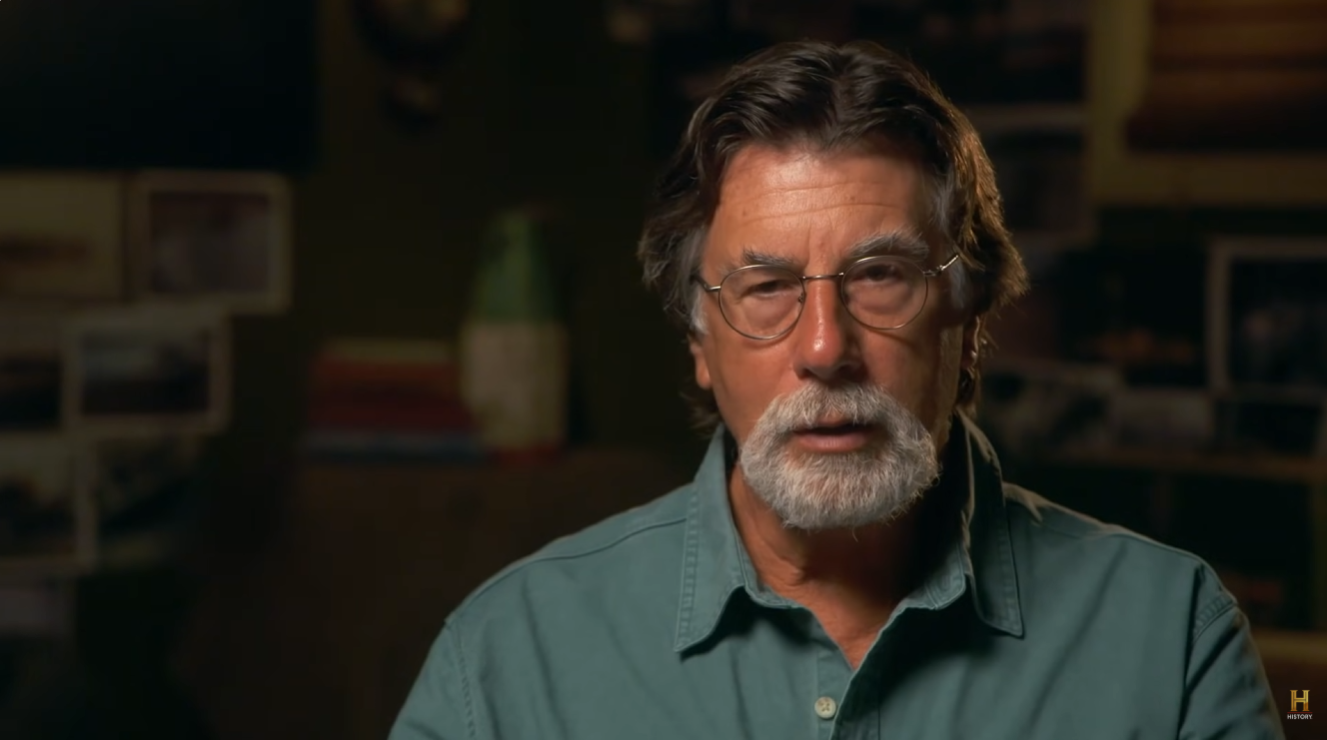
The button’s style screams English craftsmanship, possibly from a fancy jacket. Team members speculated ties to Sir William Phips, the 17th-century English politician who salvaged Spanish treasure from the galleon Concepción in 1687 but reportedly delivered only half. Theorists like 32nd-degree Freemason Scott Clarke posit that Phips and his Freemason associate, Captain Andrew Belcher, hid the rest on Oak Island. Previous Lot 5 finds, including iron tools scientifically linked to Phips and 17th-century trade beads, bolster this narrative. “I think there’s something about this button that might tell us if it’s William Phips,” suggested Jack Begley.
As the team presses on—peeling back layers of earth, metal detecting signals, and piecing together pottery—each artifact draws a line toward the Money Pit’s secrets. “Every little clue is important,” Lagina emphasized. With evidence spanning the 14th to 18th centuries, from French and Portuguese traces to British coins, Oak Island’s puzzle grows more intricate. Will these finds lead to the ultimate prize, or merely deepen the curse? Only further digs will tell.
The Oak Island team remains undeterred, with Drayton summing it up: “This is brilliant. You can’t beat it.” For treasure enthusiasts worldwide, the island’s whispers of gold and glory continue to echo through time.