Oak Island Mystery Deepens: Lot 5 Discoveries Point to Possible Knights Templar Stronghold

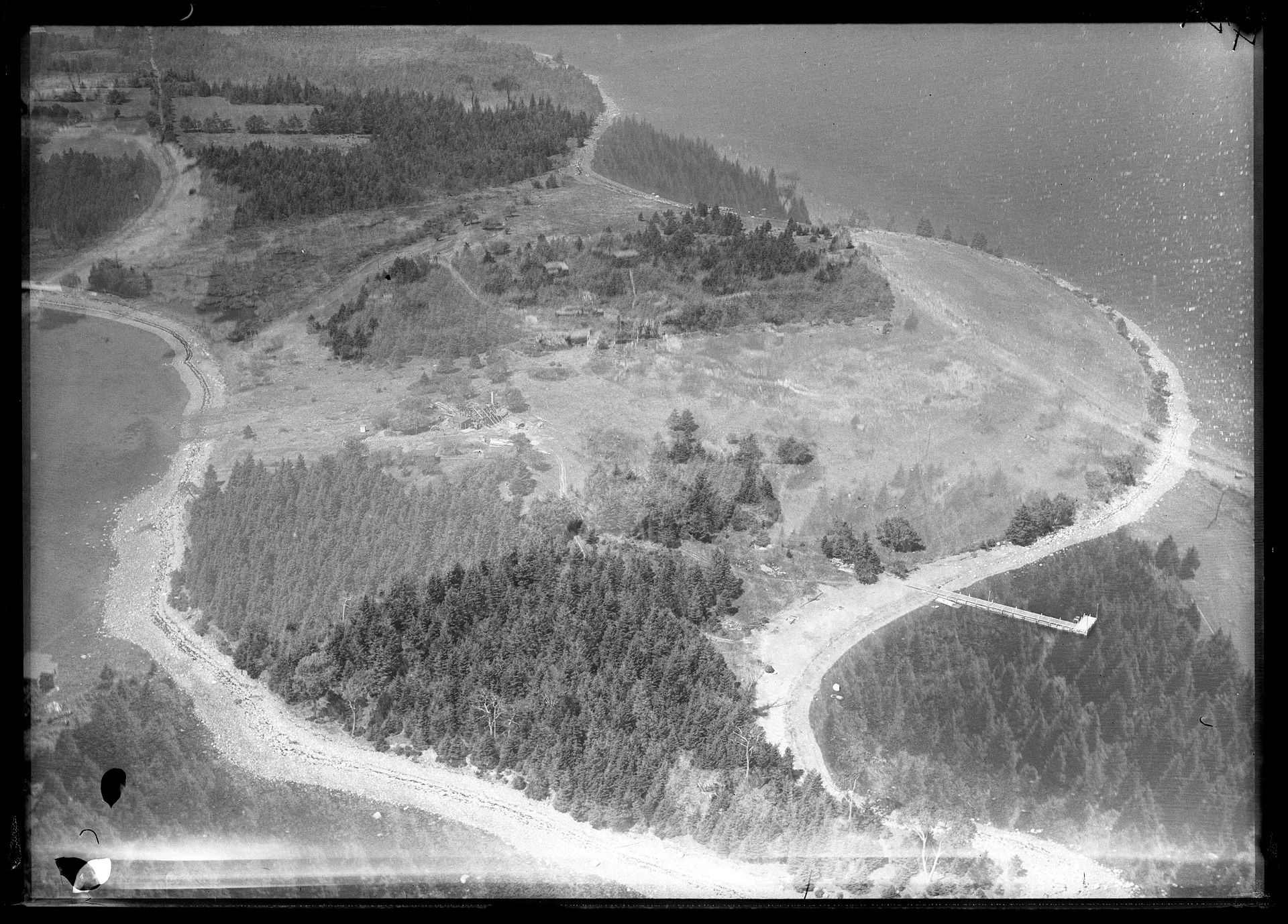
In a revelation that could rewrite the 225-year-old enigma of Oak Island, the Lagina brothers’ team has unearthed a cluster of 17th-century artifacts on Lot 5, suggesting a permanent, armed settlement predating the infamous Money Pit by over a century. This discovery, including lead shot, iron hardware, green glass, and coarse earthenware pottery, positions Lot 5 as a potential “command center” for a secretive operation possibly linked to the Knights Templar—transforming the island’s narrative from a simple treasure hunt to a complex historical saga.
The breakthrough occurred during metal detection sweeps by expert Gary Drayton and Peter Fornetti, working alongside archaeologist Fiona Steele near a mysterious stone foundation on the island’s western shore. Designated a “special place” by the Nova Scotia government in 2024 due to its archaeological sensitivity, the area requires meticulous excavation protocols—no hasty digging allowed. Drayton’s detector signaled a large iron object buried about 10 inches down, prompting Steele to carefully uncover not just the metal but a trove of accompanying items: a squashed lead shot resembling a bullet, fragments of old green glass with striations indicating a “wound bead” technique, and pottery shards.
“This isn’t random junk—it’s a feature,” Steele explained, halting the dig to preserve the site. The artifacts, clustered in an undisturbed “in situ” context, suggest a deliberate burial, possibly part of a structure like a cellar or foundation corner. Dating to the 1600s—between 1620 and 1680—the finds align with other Lot 5 discoveries, including musket balls and a ramrod guide, implying an armed presence with secured facilities. “If people were here in the 1600s, they had things to lock,” Drayton noted, speculating on hinges or mechanisms for doors.

What elevates this find to “game-changer” status is its proximity—mere feet—from previous Templar-linked items, such as starburst and spiral buttons. These ornate pieces evoke the Knights Templar, a medieval order rumored to have guarded esoteric knowledge and treasures. The cluster’s location near a man-made round stone foundation further supports theories of a permanent base, not a transient camp. “All the action, all the drama, all the mystery seems to laser-focus on one spot—the Money Pit,” said team member Rick Lagina. “But the real answer might have been sitting just under the surface, half a mile away.”
This challenges the foundational Oak Island legend: In 1795, three boys discovered a depression and tackle block, leading to the Money Pit’s flagstones. Yet, Lot 5’s evidence points to activity a century earlier, implying the pit wasn’t the origin but the culmination of a prolonged operation. “The original depositors were on Lot 5 a full century before,” theorized Marty Lagina. “This was the base camp where people lived, worked, and protected something significant.”
Speculation ties this to broader myths, including apocryphal texts like the Book of Enoch, which describe “watchers” or fallen angels imparting forbidden knowledge—parallels drawn by some to Templar lore of guarding ancient secrets. A newly surfaced “lost chapter” from the Ge’ez Gospels amplifies this, portraying the watchers not just as teachers but as corrupters who implanted ambition and chaos into humanity. While controversial, it fuels debates: Was Oak Island a repository for such “terrifying knowledge,” hidden by Templar descendants?

The site’s archaeological status means slow, scientific progress ahead—dendrochronology on wood samples aims to pinpoint dates. “We’re digging up the first ever searcher shaft on Oak Island—or what we think is,” said an team archaeologist. Erosion has stripped topsoil, exposing “rock bottom” layers where artifacts settled.
As Season 13 of The Curse of Oak Island unfolds Tuesdays at 9/8c on the History Channel, Lot 5 emerges as the “new Money Pit.” Was this a Templar outpost, or something else? The Nova Scotia Chronicle invites readers to weigh in: Templar base or red herring?

The Nova Scotia Chronicle will continue to follow developments on Oak Island. Share your theories in the comments.