
For over two centuries, Oak Island, a small landmass off the coast of Nova Scotia, has drawn adventurers, explorers, and treasure hunters searching for a legendary fortune buried beneath its soil. Despite decades of digging, drilling, and scientific exploration, the treasure has remained elusive. However, in the latest season of The Curse of Oak Island, modern scientific techniques may be bringing the team closer than ever to solving this age-old mystery.
Scientific Techniques Reveal Clues
Rick and Marty Lagina, along with their dedicated team, have turned to cutting-edge methods such as water testing and precision drilling to uncover the hidden secrets of Oak Island. Geoscientist Dr. Ian Spooner has played a crucial role in these efforts, analyzing water samples for traces of precious metals like gold and silver. The presence of these elements suggests that treasure may be hidden beneath the island, with particles migrating upward from a deep underground vault.
A key focal point of recent investigations has been the “Golden Egg” area, where water anomalies hint at the presence of valuable materials. However, the team faces a delicate challenge: excessive drilling can stir up sediments, dispersing metal traces and making it harder to pinpoint the exact location of a potential treasure chamber. Dr. Spooner has advised pausing drilling temporarily to allow the site to settle, ensuring that further tests can be as precise as possible.
Drilling and the Search for the Golden Vault
While water testing provides critical clues, drilling remains the backbone of the search. The team has been excavating several areas, including the infamous Garden Shaft, where past evidence suggested the presence of an intricate flood tunnel system designed to protect the treasure. Unfortunately, no definitive proof of the vault has been found yet.
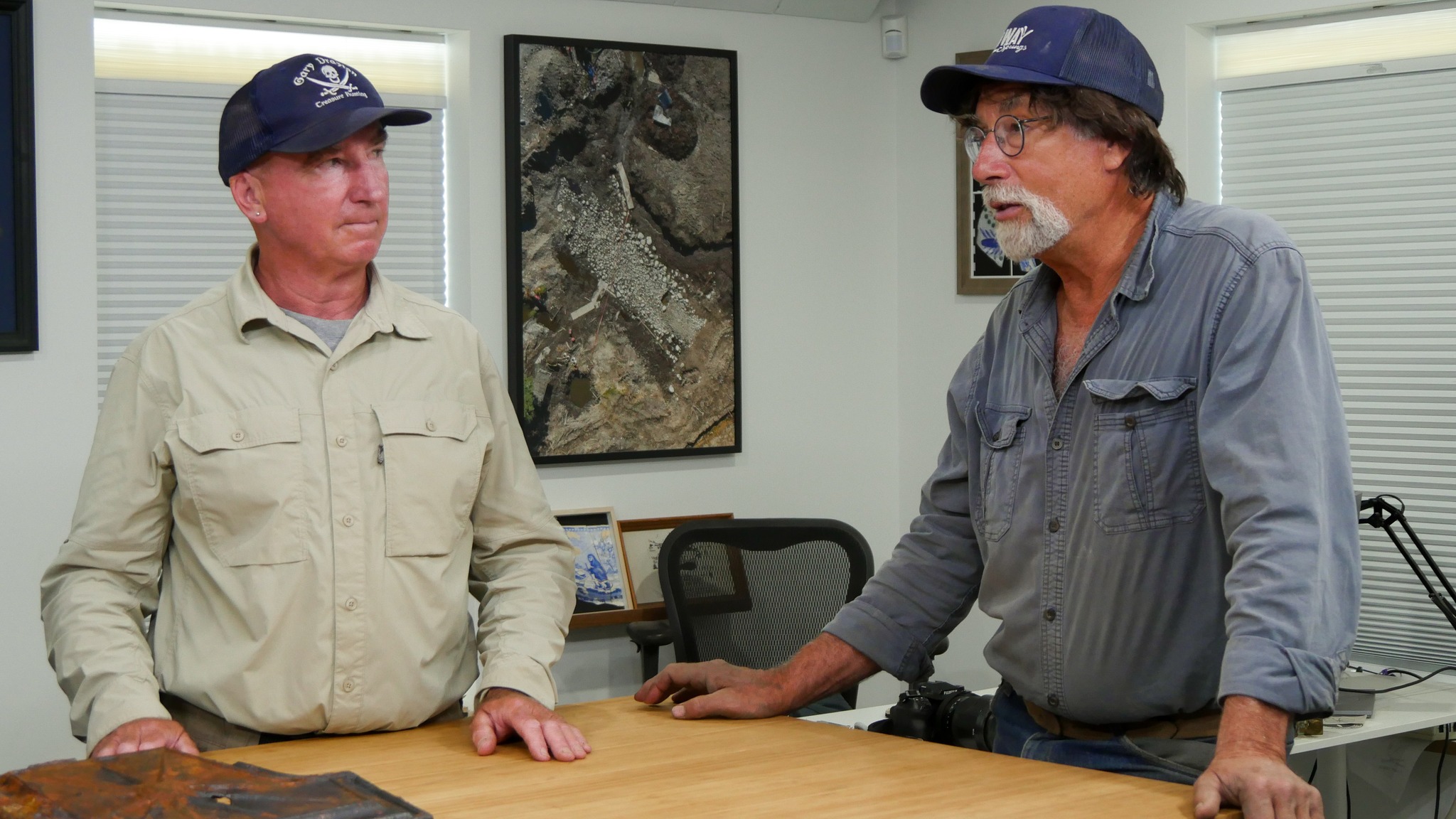
One of the most promising recent drilling sites, designated GN16, lies just north of the Garden Shaft. The team had high hopes of uncovering new ground, but results have been mixed. Despite hitting firm soil with no visible flood tunnel, the team remains undeterred. In treasure hunting, setbacks often precede major breakthroughs.
Evidence of Flood Tunnels Emerges
One of Oak Island’s most famous legends involves a series of booby-trapped flood tunnels, designed to prevent access to the treasure by flooding The Money Pit with seawater. Recent findings, including wooden planks and concrete remnants at Smith’s Cove, suggest that these tunnels may indeed exist. The discovery of potential remnants of old sealing attempts—possibly by the Restall family decades ago—further fuels the theory that an intricate underground system may still be hiding untold riches.
Modern Technology Meets Centuries-Old Mystery
Advancements in treasure-hunting technology are significantly improving the team’s chances of success. Tools such as sonic drilling, ground-penetrating radar, and chemical analysis of water samples allow for a level of precision that previous generations of explorers could only dream of. Instead of aimlessly digging, the team can now use data-driven strategies to target key areas, maximizing their chances of uncovering hidden vaults or passageways.
A Legacy of Dedication and Discovery
The Oak Island mystery is about more than just treasure—it’s about perseverance, history, and the legacy of those who have dedicated their lives to uncovering its secrets. From the early discoveries of the Money Pit to the tragic deaths of past treasure hunters, the search has been marked by sacrifice and determination. For Rick and Marty Lagina, each new discovery, no matter how small, is another step toward solving a mystery that has captivated the world for generations.
As the team pushes forward, the anticipation continues to build. Will modern science finally crack the code of Oak Island? Only time and continued perseverance will tell.
