Oak Island Mystery Shaken as Experts Claim the Money Pit Was Just an Industrial Tar Kiln

MAHONE BAY, NS – For over two centuries, Oak Island has captivated the world with whispers of buried pirate gold, Knights Templar relics, and even lost Shakespeare manuscripts. But new research by scientists has pierced the veil of mystery, revealing the infamous Money Pit not as a treasure vault booby-trapped by ancient guardians, but as a humble remnant of an 18th-century British industrial operation.
The announcement, detailed in a study by retired marine geologist Gordon Fader and historian Joy A. Steele, posits that the island served as a secret base for pine tar production, essential for sealing ships during the colonial era. “There were a million reasons to go to Oak Island,” Fader explained in recent interviews. “Closest to freshwater, closest to shore, safe, good anchorage. It’s the biggest island in the bay.”
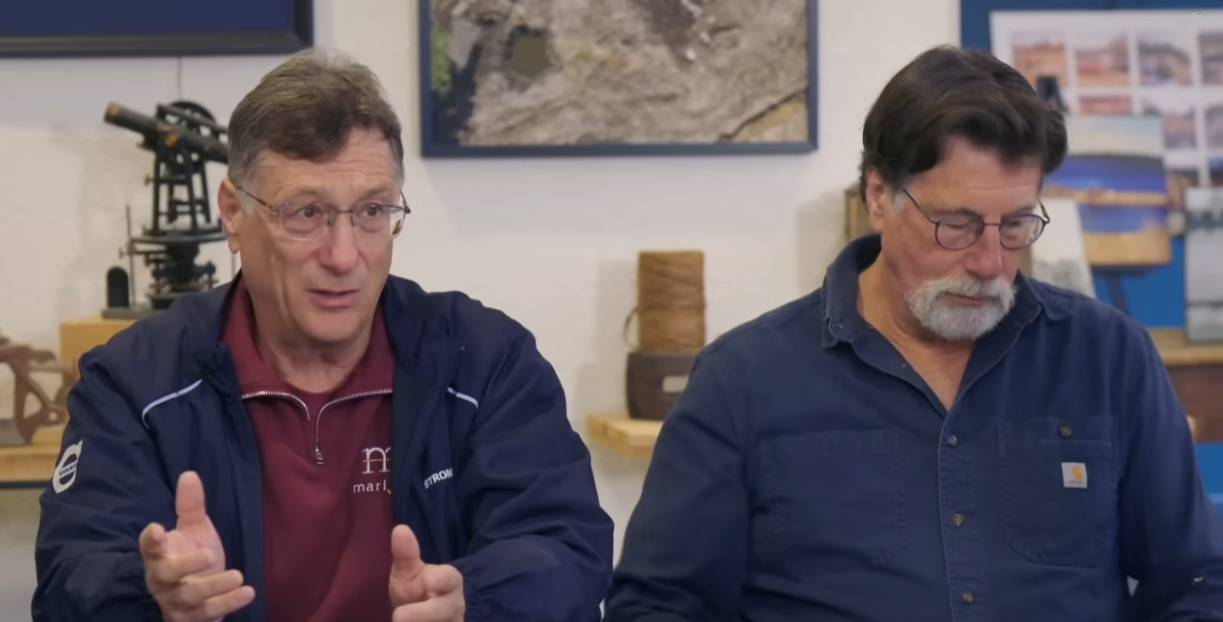
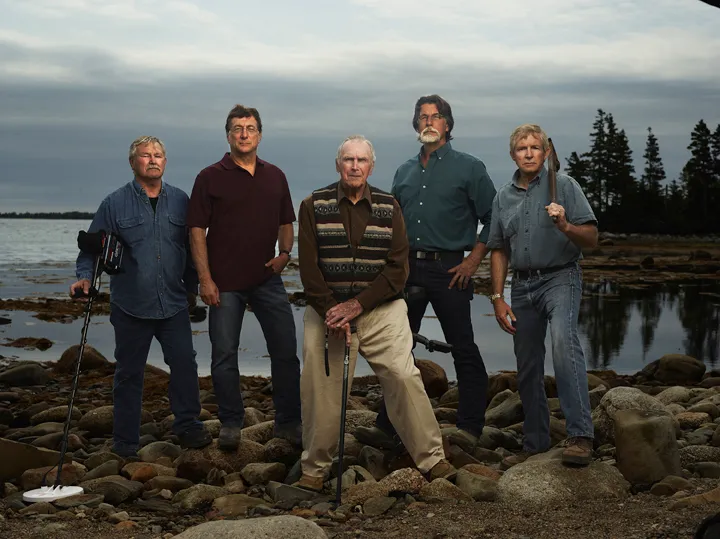
This revelation comes amid ongoing excavations popularized by the History Channel’s The Curse of Oak Island, hosted by brothers Rick and Marty Lagina. While the show has unearthed tantalizing artifacts – from bone fragments to a lead-iron cross – the scientific duo argues these finds align more with industrial activity than hidden fortunes.

A Saga Born in 1795
The tale began innocently enough in 1795 when three young locals – Daniel McInnes, John Smith, and Anthony Vaughn – stumbled upon a curious depression on the island’s southeastern end. Suspended above it was an old ship’s block and tackle, hinting at deliberate burial. Digging revealed flagstones at 2 feet, followed by oak log platforms every 10 feet down to 30 feet.
Word spread, drawing fortune-seekers. By the early 1800s, the Onslow Company took over, uncovering more layers laced with putty, charcoal, and curiously, coconut fiber – material alien to Nova Scotia but common in shipbuilding. At 90 feet, they reportedly found a stone inscribed with cryptic symbols, later decoded by a Dalhousie University professor as: “40 feet below, 2 million pounds are buried.”
Excitement peaked at 98 feet with a hollow “vault,” but overnight flooding – speculated as a booby trap – doomed the effort. Subsequent expeditions in 1849 by the Truro Company reinforced the pit, drilled into loose metal and wood, and even retrieved gold chain links. Yet collapses and floods persisted, birthing tales of a “curse” after fatalities in 1860s pump explosions, 1897 falls, and 1965 toxic gas incidents.
Artifacts and Theories: From Templars to Tar
Over the years, digs yielded puzzling items: a parchment scrap at 153 feet, speculated as Bacon-hidden Shakespeare works; a Knights Templar coin and Nolan’s Cross boulders etched with faces and swords; a 1730s Spanish silver ring; Roman numerals on a U-shaped structure at Smith’s Cove; coconut fiber at 60 feet; human bones of diverse ancestries; and a stressed, burned ship brace suggesting intentional sinking.
Theories abounded: Pirate hoards from Edward Low or Bartholomew Roberts; Templar treasures including the Holy Grail; British loot from the American Revolution; or even Freemason secrets. Samuel Ball, a former enslaved man who became a wealthy Oak Island landowner after fighting for the British, fueled speculation with 18th-century coins and buttons found on his lot. “1700s, that changes a lot,” remarked treasure hunter Gary Drayton on the show. “They’re not supposed to be here.”
Not all finds held up. A “Roman sword” hyped as pre-Columbian contact proved a modern replica, underscoring the need for authentication. Yet authentic pieces like a 17th-18th century British military button and treasure-chest hinge kept hopes alive.
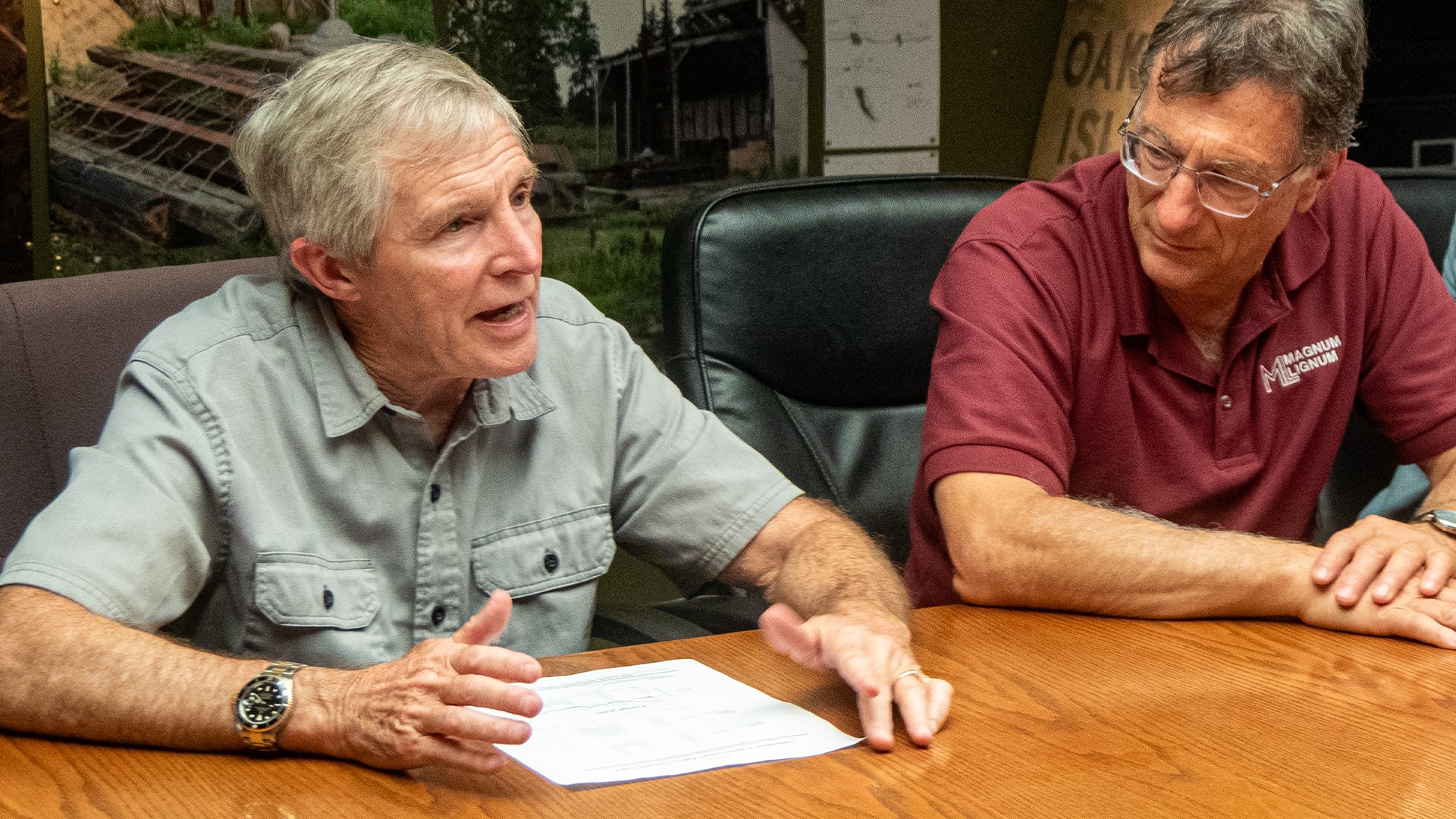
Fader and Steele’s research, however, reframes it all. Examining 1720s business charters and letters, they conclude the British military and private firms established tar kilns, brass manufacturing, and wire drawing on the island to offset debts. The Money Pit’s layers – wood, charcoal, putty – match tar production remnants. Flood “tunnels” from Smith’s Cove? Likely salt-harvesting drains. Coconut fiber? Standard ship packing. “The greatest industrial development in Canada at the time,” Fader asserts.
Modern Hunts and Lingering Mysteries
The Lagina brothers’ high-tech approach – seismic testing, radar, and dye traces – has spotlighted the island, boosting tourism they largely control. Discoveries like the Templar-linked cross and Smith’s Cove timbers keep viewers hooked, but scientists urge caution: Human psychology craves order, birthing conspiracy theories amid contradictory evidence.
While Fader and Steele claim the core mystery solved, Oak Island’s allure endures. “If we get a much greater understanding of what happened here, that’s what we’re looking for,” one researcher noted. Who knows? Future digs might still surprise.
For now, the island shifts from treasure myth to industrial footnote – a testament to human ingenuity, not enigma. Tours continue; the curse, perhaps, is broken.