
For more than two centuries, treasure hunters searching Oak Island focused almost entirely on one location: the mysterious Money Pit. Since its reported discovery in 1795, countless expeditions have poured money, manpower and technology into digging deeper into the shaft, convinced it concealed a hidden treasure.
But recent discoveries highlighted in the History Channel series The Curse of Oak Island suggest that the island’s most important clues may not lie inside the famous pit at all. Instead, researchers are increasingly turning their attention to the large triangle-shaped swamp located nearby.
For generations, the swamp was dismissed as a natural wetland. However, investigations carried out by Rick Lagina, Marty Lagina and their team have raised new questions about whether the area may have been altered by human activity centuries ago.
A Coin That Raised New Questions
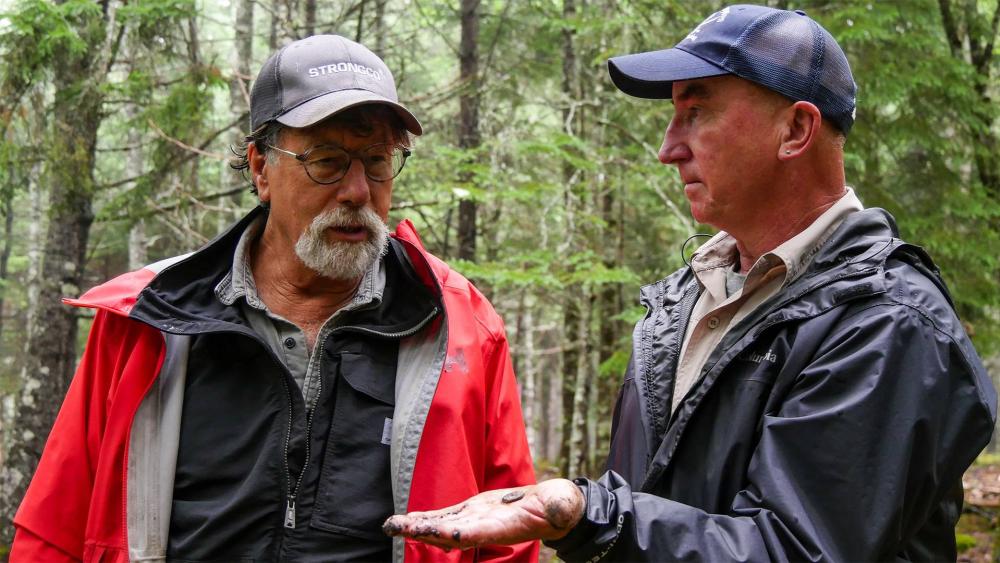
One discovery that captured attention was the recovery of a Spanish copper coin dated 1652. The coin was found during metal-detecting work in the swamp area by Gary Drayton, a longtime member of the Oak Island team.
Finding an artifact from the mid-17th century in the swamp has intrigued researchers because it suggests that people were active on the island long before many of the recorded search efforts began.
While a single coin cannot prove the existence of treasure or secret operations, it does indicate that the island may have seen more historical activity than previously understood.
Evidence of Human Engineering
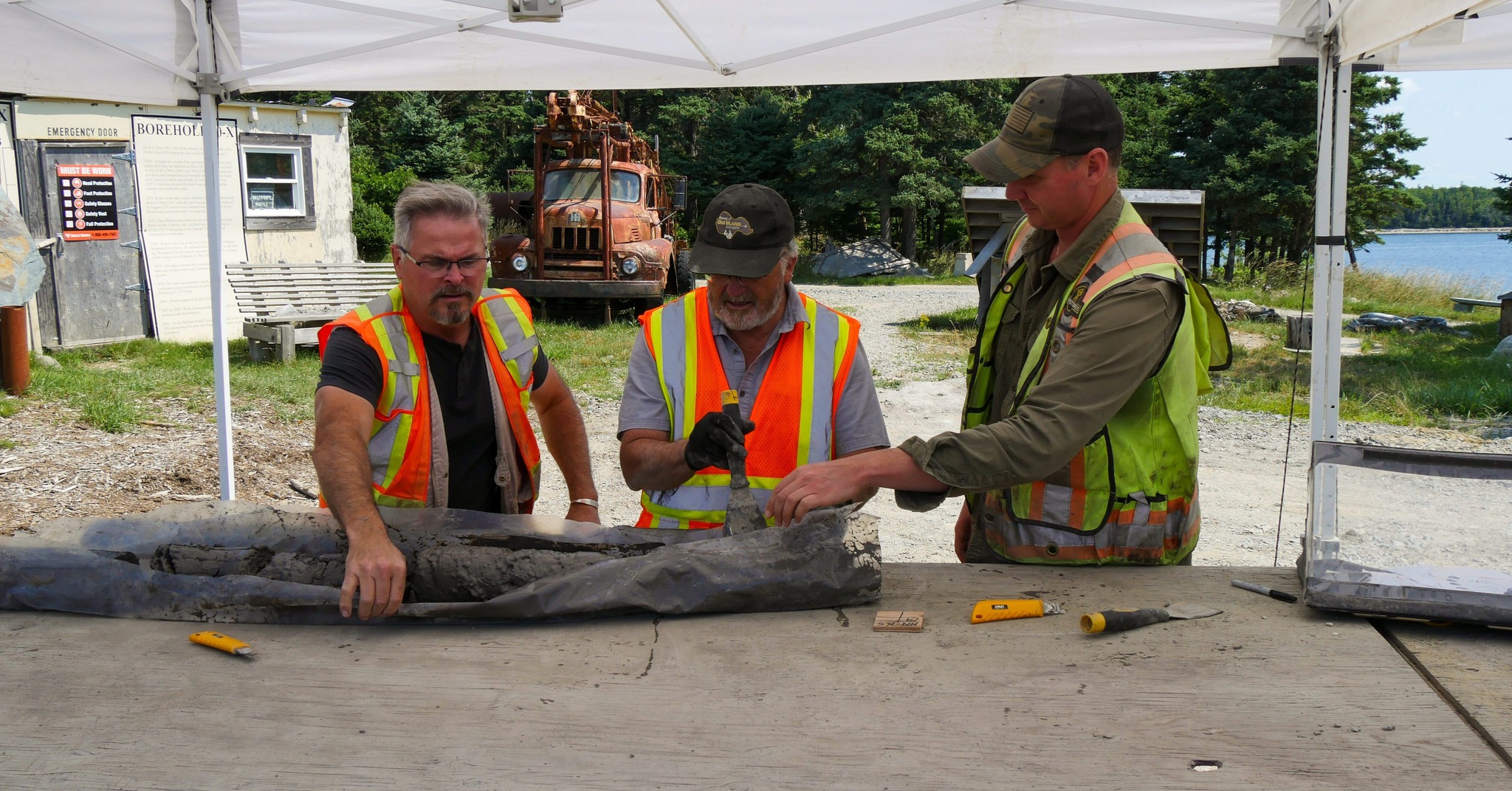
The swamp itself has become one of the most debated features on the island. Geoscientist Dr Ian Spooner has conducted sediment and geological studies to determine whether the swamp formed naturally or through human modification.
Some of the soil layers recovered through drilling contain mixed materials such as rocks, wood fragments and disturbed earth that could indicate earlier construction or environmental alteration.
In addition, excavations revealed what appears to be a stone pathway beneath sections of the swamp floor. The arrangement of flat stones has led some researchers to speculate that the structure could have been used as a road or working platform during earlier activity on the island.
However, experts caution that further testing is needed to confirm whether the feature is man-made or a natural geological formation.
Wooden Structures and Ship-Related Clues
Another intriguing element discovered during the swamp investigations involves large pieces of timber recovered from beneath the mud. Some of the wood shows signs of tool marks and possible ship-building materials such as pitch or tar used historically for waterproofing.
Carbon dating tests have produced a range of possible ages for the wood, with some samples falling between the 17th and early 19th centuries. These results place the material within the timeframe of early exploration and the first known search efforts on Oak Island.
Whether the timbers came from a ship, construction platform or another structure remains uncertain.
Flood Tunnels and Coastal Engineering
The Oak Island team has also continued to examine the shoreline area known as Smith’s Cove, where previous excavations revealed wooden flood tunnel structures filled with beach stones and coconut fibre.
The tunnels appear to have been designed to channel seawater toward underground shafts, potentially flooding excavation attempts near the Money Pit.
While historians still debate who built the system and when it was constructed, the engineering demonstrates that whoever worked on the island had significant technical knowledge.

New Investigations Continue
Recent operations have used sonar scanning, drilling and excavation to search for large anomalies beneath the swamp floor. Some scans have suggested the presence of buried structures or large wooden shapes that could represent earlier activity on the island.
To investigate further, the team has used cofferdam walls and large pumps to control water levels and expose deeper layers of sediment.
These ongoing excavations are part of a broader effort to determine whether the swamp played a deliberate role in hiding or protecting something beneath the island.
A Mystery That Continues
Despite decades of research and modern technology, Oak Island remains one of the world’s most enduring historical mysteries. Artifacts recovered across the island — including coins, tools and fragments of old structures — suggest a long and complex history involving multiple groups over several centuries.
However, archaeologists emphasize that extraordinary claims require careful scientific verification. While the discoveries are intriguing, more evidence is needed before any conclusions about hidden treasure or secret historical missions can be confirmed.
For Rick and Marty Lagina, the search continues. Each new artifact and geological clue adds another piece to a puzzle that has captivated explorers, historians and television audiences for generations.
Whether the answers lie beneath the swamp, inside the Money Pit or somewhere else on the island entirely remains unknown. But the ongoing investigations ensure that the story of Oak Island is far from finished.
