Oak Island Team Pushes Deeper Underground as Garden Shaft Drilling Targets Suspected Tunnel

The long-running search for hidden riches on The Curse of Oak Island has entered a decisive new phase, as the team begins drilling a strategically placed borehole that could finally connect them to one of the island’s most elusive underground features.
At the centre of the latest operation is Borehole D0.5 N27, drilled adjacent to the Garden Shaft — a key excavation site believed to sit above a complex network of man-made tunnels more than 100 feet below the surface. The objective is clear: locate a suspected tunnel aligned with past discoveries and guide future underground exploration from within the shaft itself.
Leading the effort are brothers Rick Lagina and Marty Lagina, who gathered with their partners and technical experts as preparations intensified. With rare permits now secured after months of regulatory delays, the team has been given the green light to proceed with deeper excavation during the crucial summer window.
A major boost comes from the return of the highly regarded Dumas Mining Company, whose specialists are tasked with extending the Garden Shaft to at least 98 feet. That depth holds particular significance. Before winter halted work last season, metal detection surveys led by Gary Drayton identified non-ferrous metal signals tantalisingly close to reach, suggesting the presence of valuable material nearby.
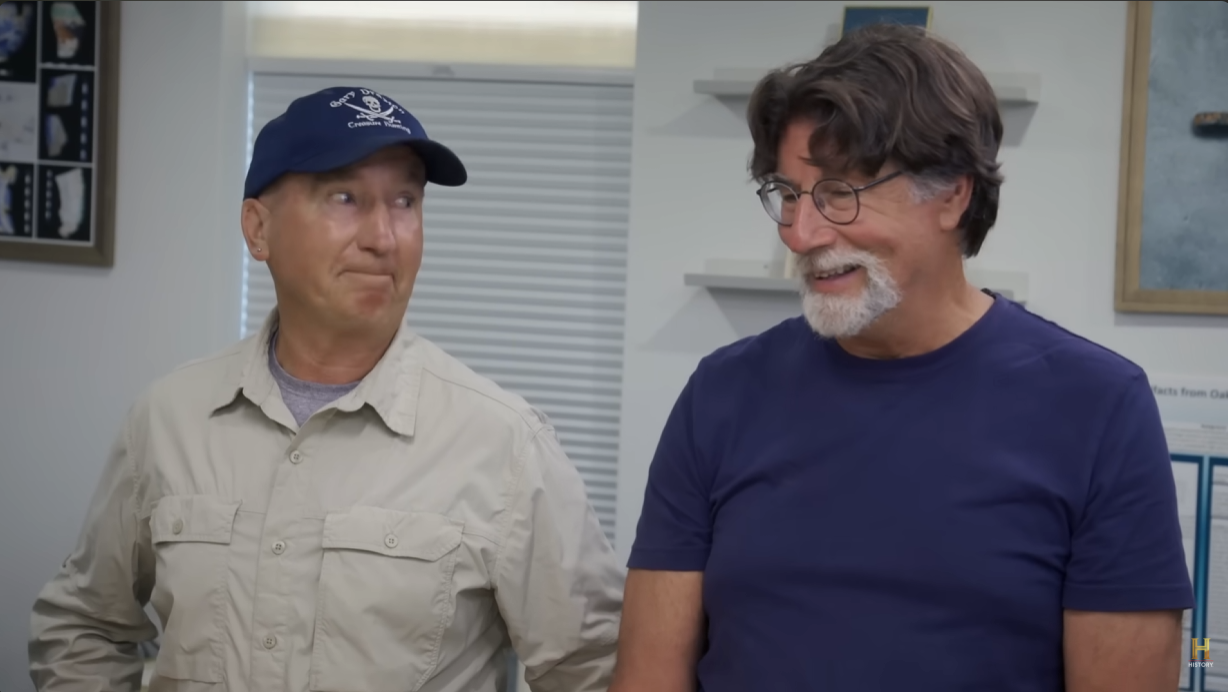
Geological assessments now indicate the new borehole is positioned precisely where historical data and soil composition intersect. Team geologist Dr Ian Spooner explained that subtle changes in underground layers — particularly the discovery of wood at depth — often point to human construction rather than natural formations.
“As soon as you find worked wood at this level, it raises immediate questions,” Spooner noted. “It suggests intentional design, possibly linked to tunnelling.”
As drilling progressed, core samples revealed wood fragments at multiple depths, reinforcing the possibility of a previously unknown tunnel beneath the Garden Shaft. Craig Tester, closely monitoring the operation, said even small variations in soil or material composition could prove critical in pinpointing man-made structures.
While attention remains fixed underground, equally significant developments are unfolding elsewhere on the island — particularly on Lot 5, a site increasingly viewed as central to Oak Island’s broader story. Archaeologists working there have uncovered a deliberately concealed rectangular foundation buried deep below the surface.
Archaeologist Helen Sheldon described the structure as “unusual and intentionally hidden”, adding that its design suggests a purpose beyond simple habitation. Further assessment by field archaeologist Laird Niven indicates the foundation may predate many known activities on the island, opening the door to new interpretations of who worked there — and why.
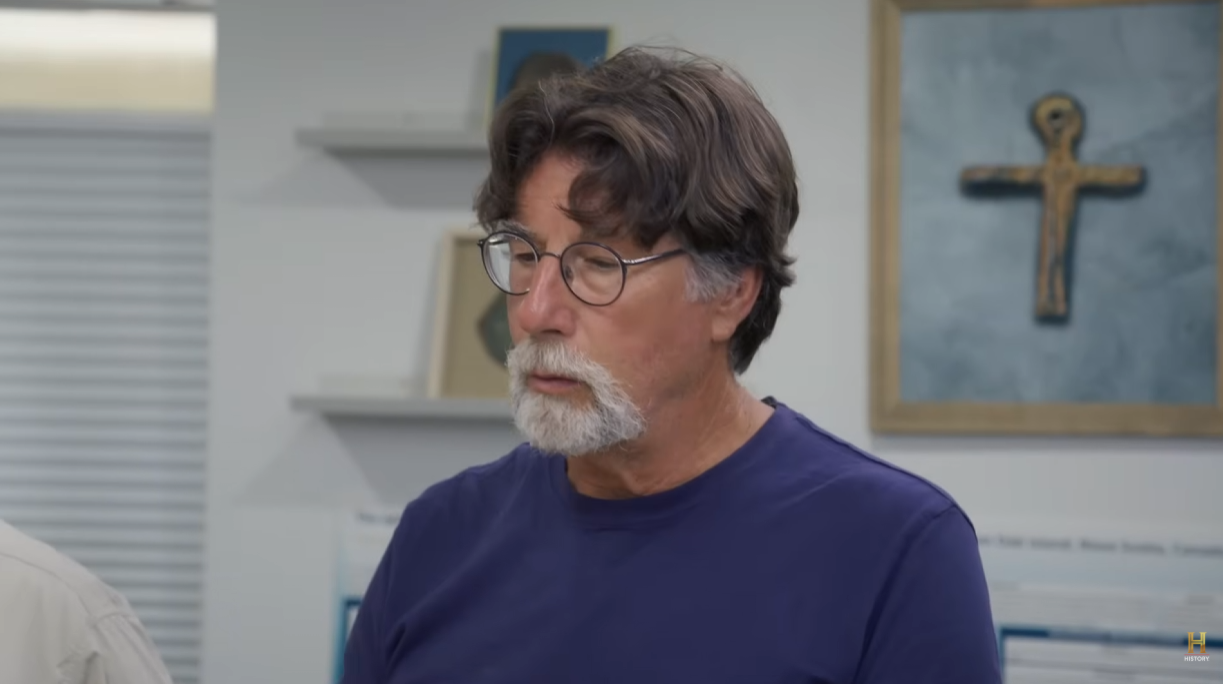
Metal detecting efforts on Lot 5 have also yielded results. Drayton, working alongside Peter Fornetti, recovered a cribbing spike and another historical metal artefact. Both items appear to be construction-related, reinforcing theories that Lot 5 played a functional role in early underground works, possibly connected to the Money Pit area.
Back at the research centre, the team reviewed an expanding catalogue of artefacts, including Roman coins and a 14th-century lead barter token. Historian Doug Crowell cautioned against drawing premature conclusions but acknowledged that such finds could significantly reshape the island’s historical timeline if verified.
Blacksmith and artefact specialist Carmen Legge analysed the metalwork, noting the high level of craftsmanship and preservation. “These aren’t random objects,” he said. “They were made with purpose.”
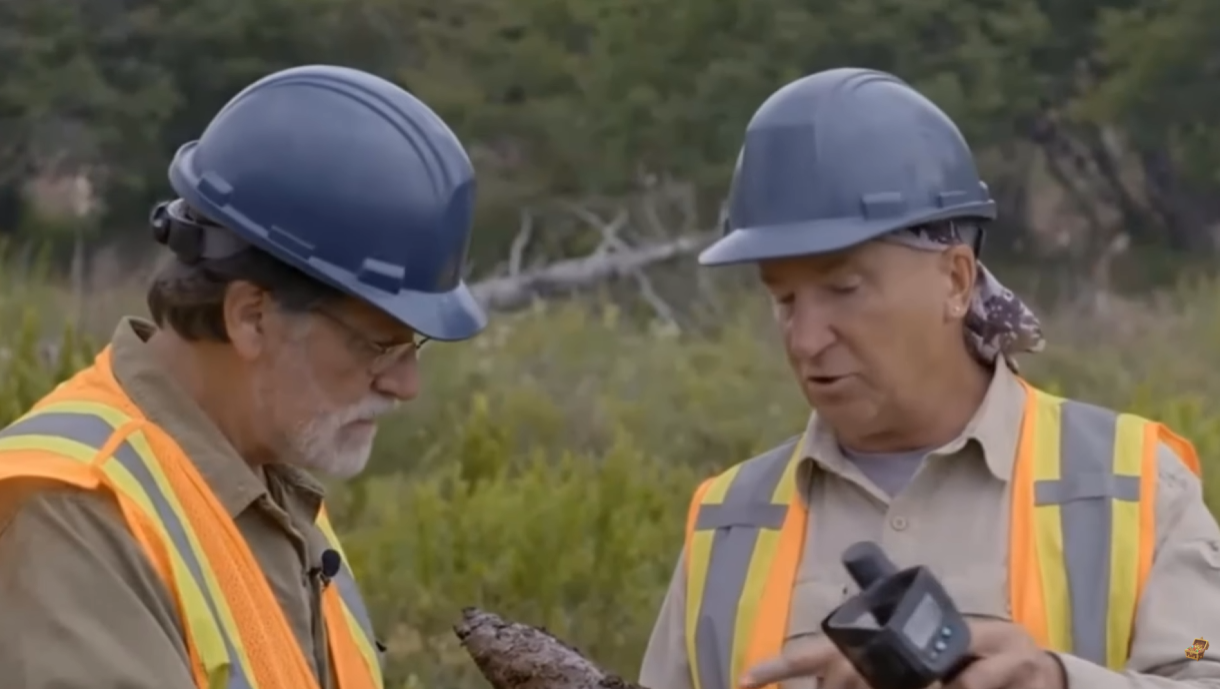
As drilling continues at Borehole D0.5 N27, anticipation is building. If the suspected tunnel is confirmed, it would allow Dumas miners to begin lateral tunnelling from the bottom of the Garden Shaft — a step that could finally open access to areas long theorised but never reached.
Standing near the shaft, Rick Lagina reflected on the moment. “Whatever we find,” he said, “this represents a milestone. We’re now working in the exact zone where past evidence has been pointing us for years.”
For the Oak Island team, the task ahead remains complex and uncertain. But with approvals in place, expert crews mobilised, and multiple lines of evidence converging, the sense is unmistakable: the search has entered one of its most consequential chapters yet.