Oak Island team uncovers pre-1840 iron in 900-year-old well, strengthening flood-tunnel theory


Archaeologists working with the Oak Island team have uncovered a hand-wrought iron object from a 900-year-old stone well on Lot 26, after tests on the water revealed elevated traces of silver.
Jack Begley, alongside archaeologists Laird Niven and Helen Sheldon, pumped out the well and began removing debris layer by layer, with spoils laid out to dry before being sifted. During the sorting, Sheldon and archaeometallurgist Emma Culligan identified an unusual iron piece—“nail-like, but not a nail”—with a rounded tip and a bend consistent with a clenched fastener sometimes associated with shipbuilding.
Culligan said the sulphur-rich composition suggested an older manufacturing method, initially placing it in the 1700s. The item was then taken to Saint Mary’s University in Halifax for further analysis by chemist Dr Christa Brosseau and colleague Dr Xiang Yang using a Scanning Electron Microscope (SEM). Dr Brosseau reported the sample showed no manganese—often used as a marker for later iron—indicating it was “pre-1840, most likely”.
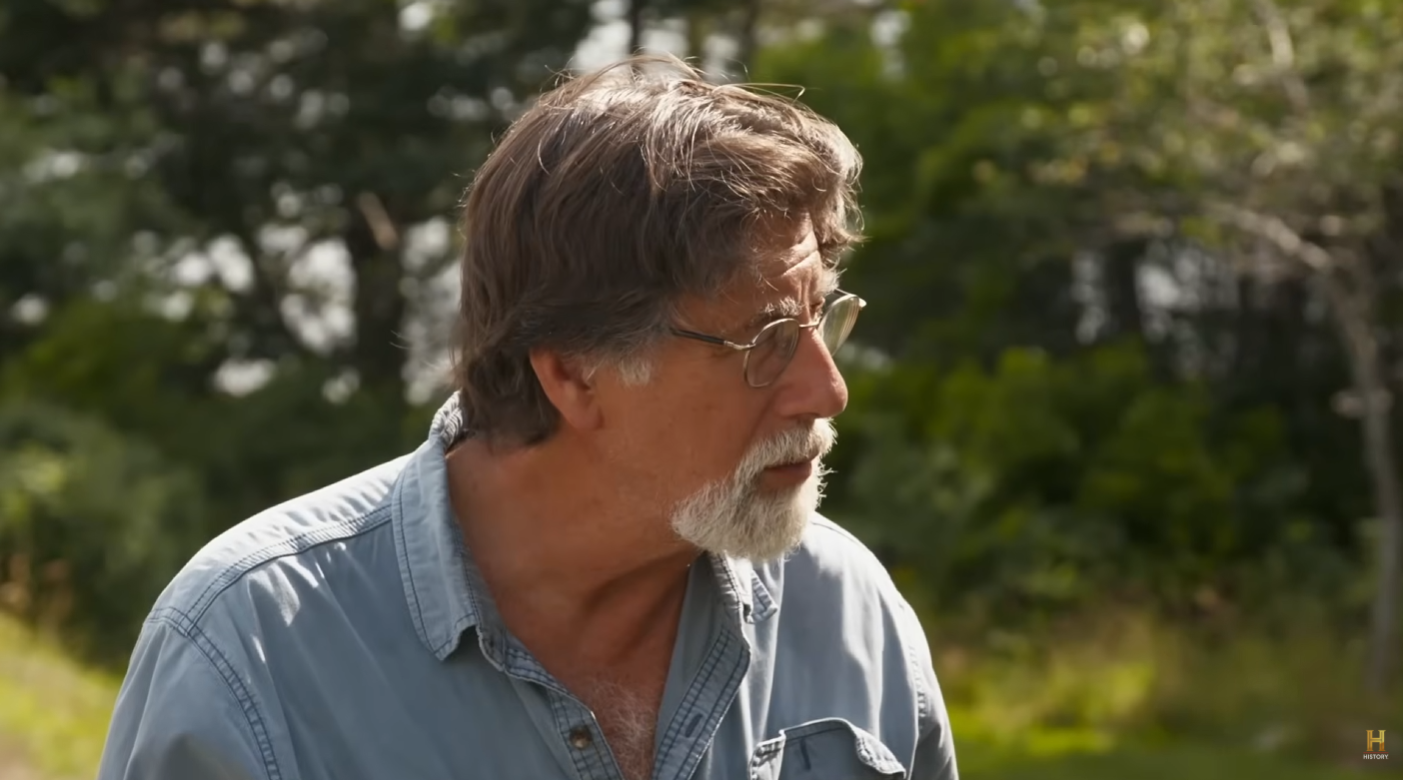
The result strengthens the team’s view that activity on parts of Oak Island predates the documented discovery of the Money Pit in 1795, and may be linked to earlier construction efforts across the island.
The well investigation ran alongside a series of end-of-season developments in the Money Pit area, where the team’s seventh-foot-diameter “TOT-1” shaft reached about 195 feet and penetrated a natural cavity known as the solution channel. As drying spoils from the shaft were searched at Smith’s Cove, metal detectorist Gary Drayton recovered a small fragment of a pick-like tool, raising comparisons with an earlier pickaxe piece believed by blacksmithing specialist Carmen Legge to be consistent with tunnelling tools.
In the team’s final meeting of the year, Culligan presented scans and metallurgical results for two separate iron tools—described as a chisel and a pick—saying both were “quite clean irons” and similar in composition. She suggested a date range of early-to-mid 1700s, with the possibility they could extend back to the 1650s, citing potassium content consistent with charcoal-based manufacturing that was later phased out.
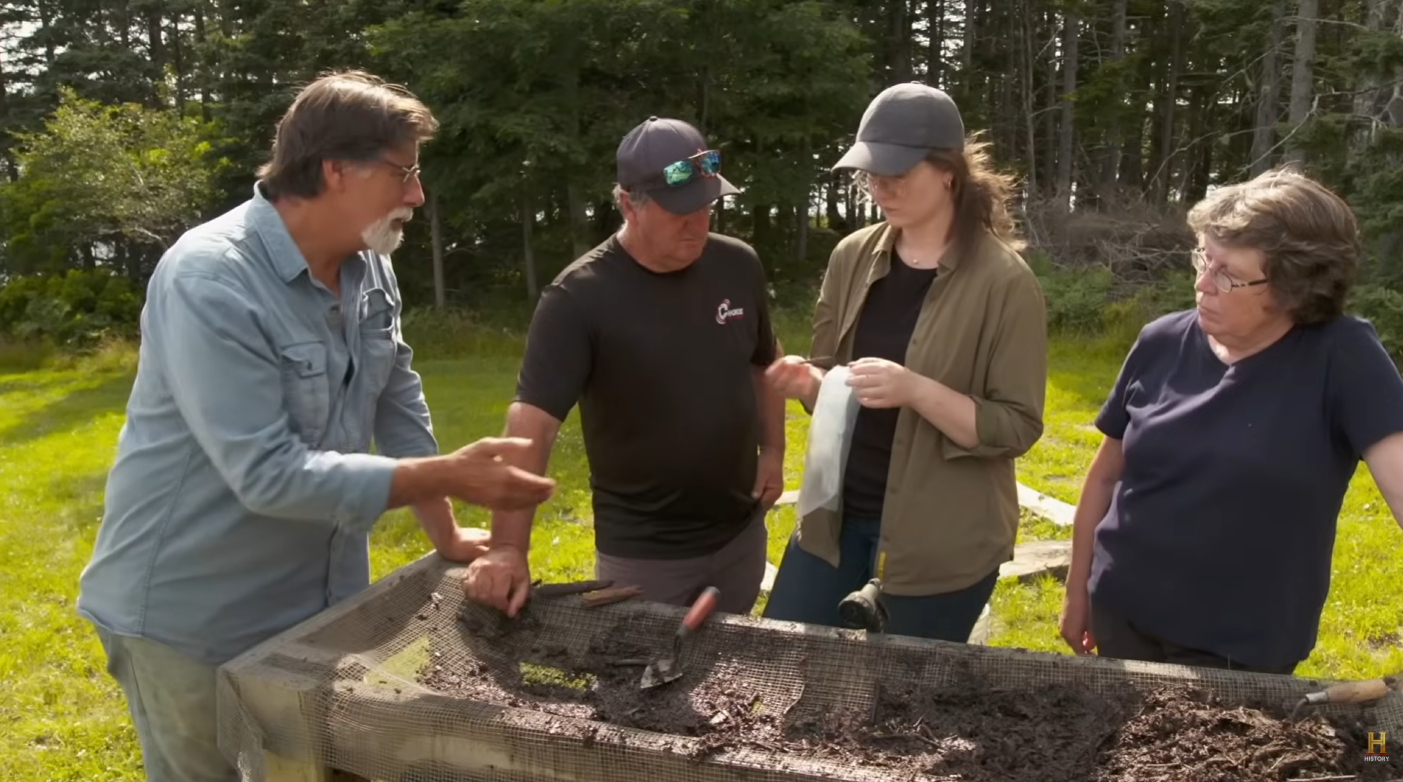
Separately, at Smith’s Cove, the team also recovered fibrous material from a wood-and-rock feature believed to be linked to the island’s historic water-control system. Geoscientist Dr Ian Spooner confirmed by testing that the fibres were coconut fibre—material not native to the region and previously reported in early Money Pit accounts—supporting the theory that the group may be closing in on original flood-tunnel works designed to protect whatever lies underground.
Work in the Smith’s Cove area was subsequently paused due to permit and scheduling constraints, with a major steel cofferdam removal operation set to begin within 24 hours, limiting further excavation for the remainder of the season.