OAK ISLAND TEAM UNEARTHS STONE ROAD, BARREL PIECES AND 16TH-CENTURY CHAIN IN SWAMP

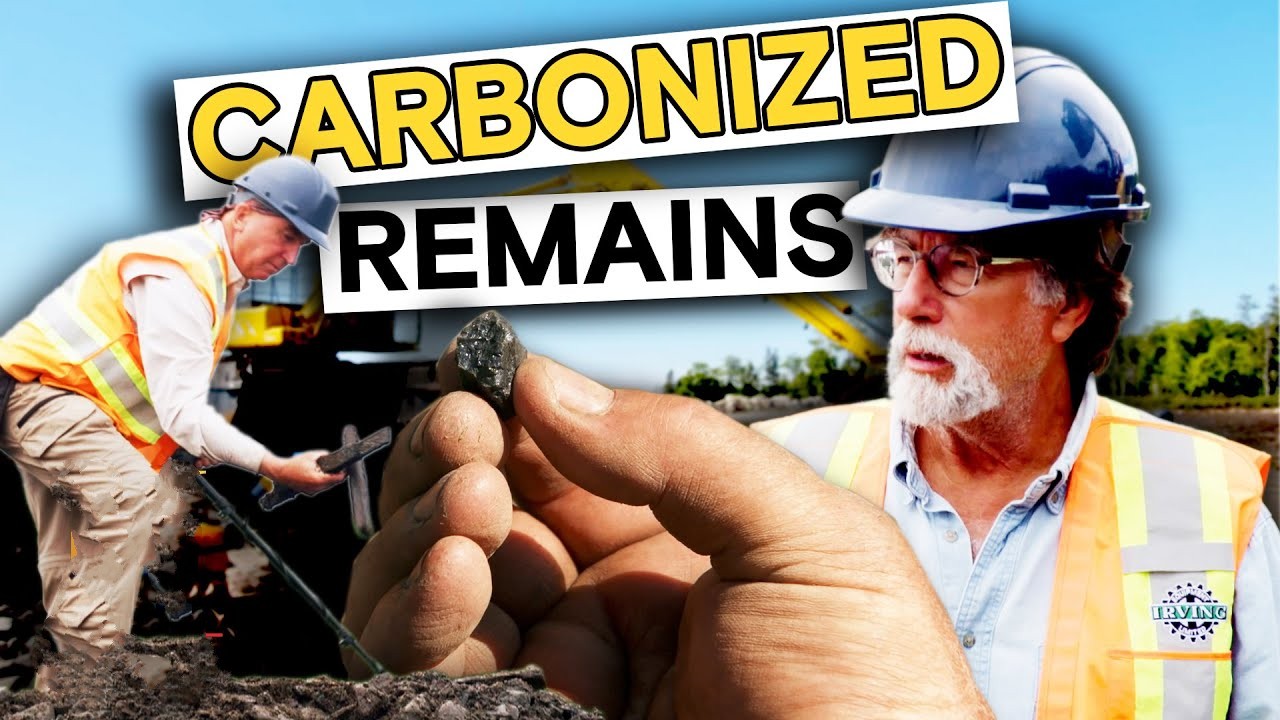
Oak Island, Nova Scotia — The mystery deepened once again this week as the Lagina brothers and their team uncovered fresh evidence in the island’s enigmatic swamp. What began as routine excavation of a stone pathway has turned into one of the most intriguing breakthroughs yet in the 225-year-old treasure hunt.
Archaeologist Dr. Aaron Taylor, working alongside Rick and Marty Lagina, described the find as nothing short of “incredible.” The team uncovered what appears to be a massive stone road reinforced with wooden cribbing, extending from the swamp toward the uplands. “It would have taken a lot of work to build,” Taylor said. “Possibly it was connected to a harbor where cargo was unloaded.”
Adding weight to that theory was the discovery of several key artifacts:
-
Keg barrel lids and staves, recovered from beneath thick layers of peat and mud. The pieces resemble those used to transport gunpowder, coins, or treasure centuries ago.
-
Charcoal and coal deposits, buried deep within the structure of the stone road. Experts note coal was not used on Oak Island until the mid-19th century, raising the possibility of an earlier, purposeful burn event—perhaps linked to the long-held theory that a ship was scuttled in the swamp.
-
A large hand-wrought chain and hook, which blacksmith expert Carmen Legge dated to the 16th century. The artifact may have been used as a three-point hitch to haul heavy cargo offloaded from a ship.
“This was a massive undertaking,” Rick Lagina remarked, noting the fitted logs, cribbing, and abrupt end to the road suggest it was carefully engineered and deliberately concealed. “Somebody put that road in for a specific reason, and I think they wanted it to not be found after they were done.”
The discoveries sparked comparisons to an earlier recovery made in 1861, when a keg barrel fragment was unearthed in the Money Pit. If connected, the latest finds could point to a network of transport routes used to move valuables from a buried cache.
The swamp, long dismissed by some team members, is now proving central to the investigation. “I was never a big fan of the swamp,” admitted Marty Lagina, “but the more we dig, the more I see there’s a lot there. Some good stuff, for sure.”
The Oak Island team plans to continue excavating along the line of large rocks believed to mark the retaining edge of the road. With every scoop of mud, the centuries-old puzzle grows more complex.
As Rick Lagina summed up: “It’s a mystery. But one that may be leading us directly to the treasure.”