Oak Island Unearths Ancient Secrets: Swamp Discoveries Ignite Templar Theories and Curse Fears


In the fog-shrouded swamps of Oak Island, a site long synonymous with buried treasure and enigmatic curses, the exploration team from History Channel’s The Curse of Oak Island has made a series of groundbreaking discoveries that could rewrite North American history. Utilizing cutting-edge technology and geological expertise, the team—led by brothers Rick and Marty Lagina—has uncovered man-made structures, ancient artifacts, and alignments hinting at medieval origins, potentially linking the island to the legendary Knights Templar.
The breakthrough began with the identification of a massive boulder in the island’s treacherous swamp, an area previously dismissed due to its dense vegetation and unstable terrain. Initial examinations revealed the boulder was no natural anomaly but a deliberate marker, precisely aligned with Nolan’s Cross—a mysterious arrangement of stones long speculated to hold symbolic significance. Researcher John Edwards, a veteran of Oak Island studies, had predicted the swamp’s importance based on its geometric ties to other landmarks, suggesting it forms part of an intricate clue system left by the island’s original visitors.
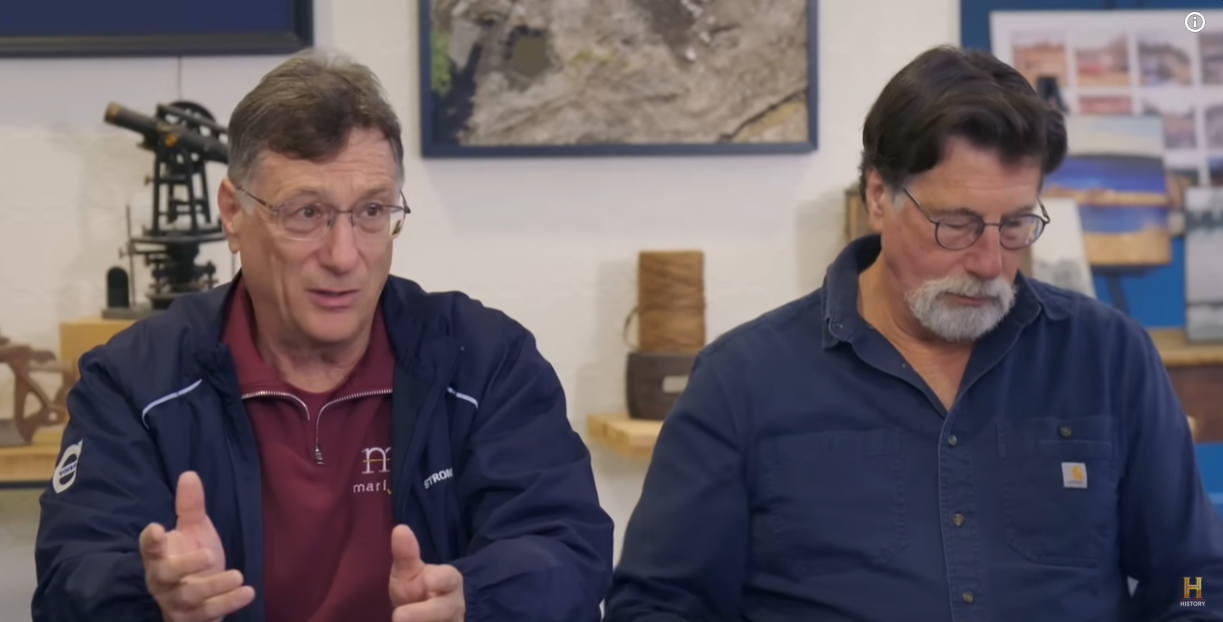
“This doesn’t look normal—it might have been used as a marker,” one team member remarked during the dig. Excavations beneath the boulder exposed a sophisticated stone structure, followed by well-preserved wooden planks, beams, and metal fastenings, including hand-forged nails. Ceramics fragments, possibly from ancient pottery, were also recovered, indicating human habitation or storage activities. The artifacts’ orderly arrangement points to intentional construction, far from random glacial deposits.
Geologist Dr. Ian Spooner, a pivotal figure in the investigation, has been instrumental in analyzing these finds. Employing sediment core sampling, stratigraphy, and radiocarbon dating, Spooner aims to distinguish natural formations from human interventions. “I was really interested in trying to find something that connects the Stone Road to something else,” Spooner noted, emphasizing anomalies in soil layers that suggest past digging or building. If carbon dating places the wood in the Templar era (circa 12th-14th centuries), it could bolster theories of the order’s transatlantic voyages, using sacred geometry to conceal holy relics or treasures on the island.
The discoveries evoke Oak Island’s storied past, where legends of pirate booty, Freemason secrets, and Templar artifacts have drawn seekers since the late 1700s. Edwards posits the boulder and structures as part of a “network of markers,” possibly guiding to the infamous Money Pit—a deep shaft believed rigged with flood tunnels to thwart intruders. Yet, the excitement is tempered by peril: the island’s “curse” claims seven lives must be lost before the treasure is found, with six already tallied in historical accidents.
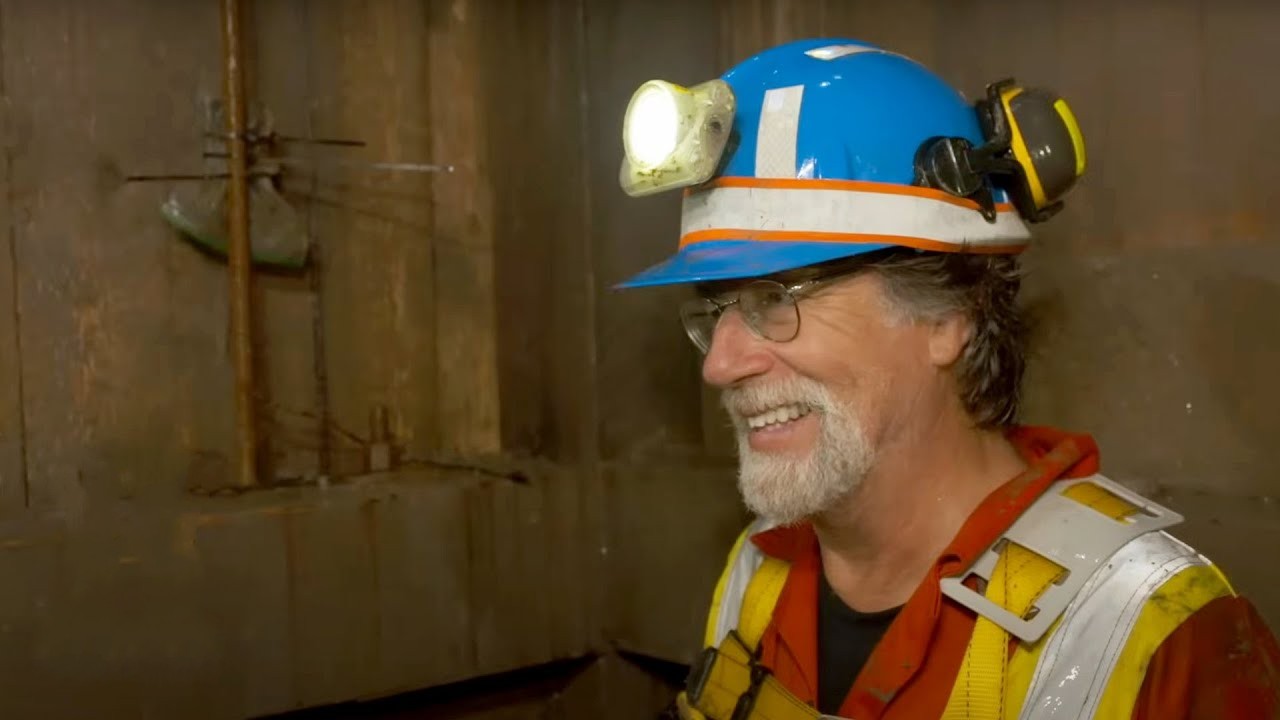
Physical dangers abound in the swamp, from quicksand and collapsing pits to unstable excavations. “The terrain is notably unstable and dangerous,” warned a team source, highlighting risks amplified by intensive digging. Supernatural tales add psychological strain, with whispers of guardian spirits or ancient traps.
Contrasting with past rudimentary efforts—shovels, picks, and flood-prone tunnels—modern hunts leverage ground-penetrating radar (GPR), drones, 3D imaging, LiDAR, and sensitive metal detectors. GPR has mapped subsurface anomalies without invasive digging, while carbon dating provides precise timelines. “It just speaks to itself that there’s activity that happened on this lot,” Spooner observed, underscoring how these tools transform guesswork into science.
As the team delves deeper, ethical questions arise: Are these sites sacred ancestral grounds? The Laginas emphasize respectful preservation, documenting each artifact to honor cultural significance. “Whether for sacred, protective, or strategic purposes, the implications are profound,” Edwards reflected.
With alignments suggesting Templar sacred geometry and artifacts hinting at medieval craftsmanship, Oak Island’s swamp may hold the key to unlocking centuries-old mysteries. Fans speculate: Is this the prelude to the ultimate treasure reveal, or another layer in the island’s cursed enigma? As excavations continue, one thing is clear—the quest for Oak Island’s secrets endures, blending history, hazard, and high-tech hope. Stay tuned for updates as the dig progresses.