Oak Island Unearths Clues to Centuries-Old Mystery: Ancient Ring and Artifacts Spark New Theories


In a thrilling continuation of their quest to unravel one of North America’s most enduring enigmas, the team led by brothers Rick and Marty Lagina has made a series of intriguing discoveries on Oak Island, hinting at connections to Spanish treasure fleets, hidden vaults, and a mysterious 19th-century farmer’s fortune.
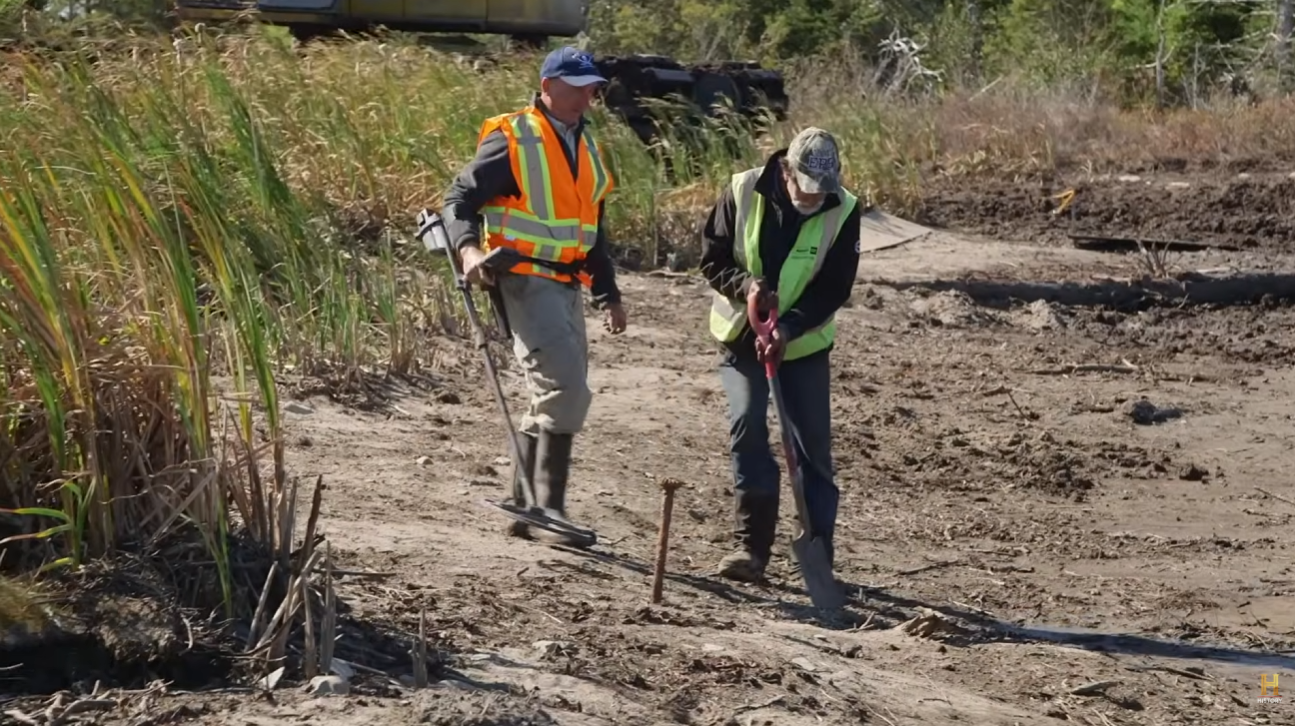
The excitement began in the island’s infamous triangle-shaped swamp, a site long speculated to hold keys to the legendary Money Pit treasure. Metal detectorist Gary Drayton and Rick Lagina ventured into the previously inaccessible area, armed with detectors and high hopes. “I’ve never, ever been able to get in there because the swamp’s always been high,” Drayton noted as they zigzagged along the banks.
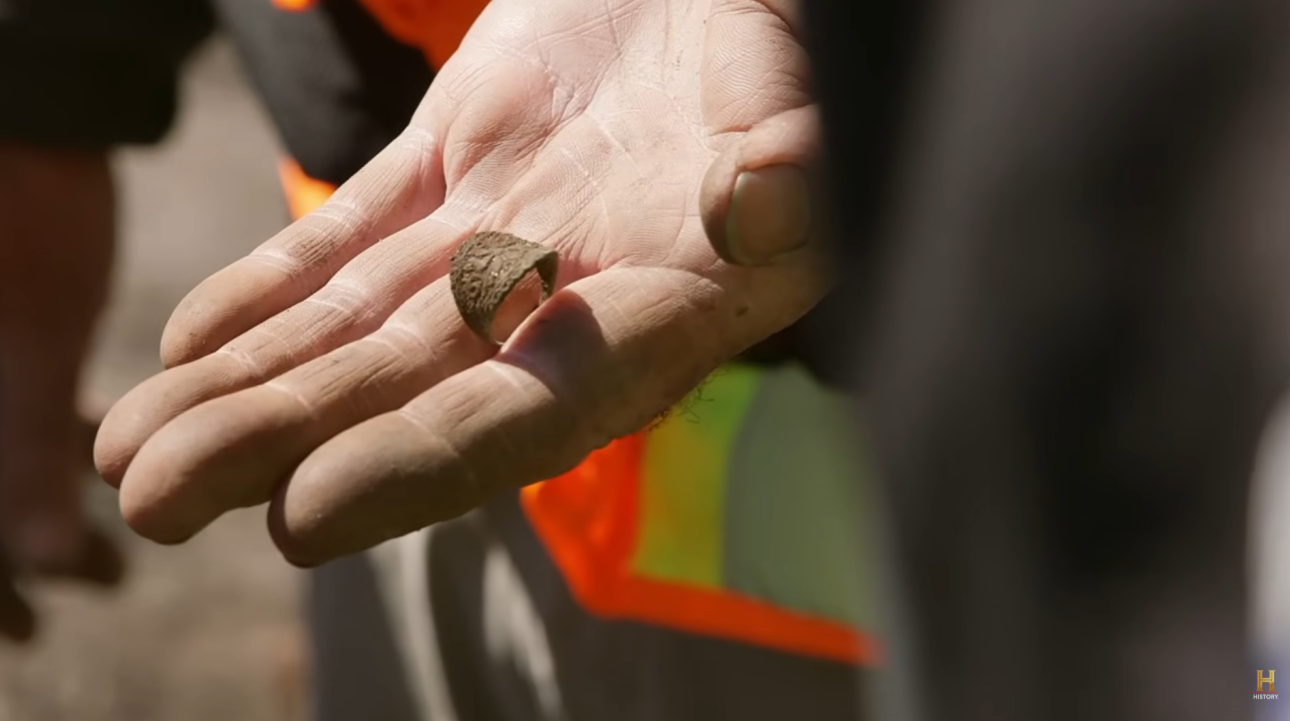
Their persistence paid off when Drayton unearthed an ornate ring. “It’s a ring, mate!” he exclaimed, laughing with delight. The piece, described as thick with intricate floral patterns, lacked modern stones, suggesting antiquity. “That is a sweet find,” Lagina agreed, dubbing it a “top pocket” discovery.
To analyze the ring, the team consulted Professor Charles Lewton-Brain, a renowned gemologist and master goldsmith from the Alberta College of Art and Design. Via video conference in the team’s War Room, Lewton-Brain revealed the ring dates to before 1730, based on chisel-cut designs predating the widespread use of saw blades in jewelry making. “The floral pattern reads European to me, possibly Spanish,” he said, noting crude repairs and potential bronze or high-copper silver alloy composition.
This finding echoes a 1652 Spanish Maravedí coin discovered in the same swamp six years prior, fueling speculation about ties to Spanish treasure fleets. “Flower designs were really popular on a lot of the Spanish jewelry from the treasure fleets,” Drayton observed. Lagina emphasized the importance of timelines: “That timeline is instrumental in figuring out the who, what, when, where, and why of Oak Island.”
Shifting focus offshore, the team reviewed sonar data from the Centre for Geographic Sciences (COGS), identifying anomalies on the seafloor near the island’s southern shore. These included a jagged, skinny object “sticking out of the seafloor” and a possible anchor. A mysterious triangular formation, appearing to point directly toward the Money Pit, prompted an immediate dive.
Professional diver Tony Sampson, joined by Alex Lagina and supported by Jack Begley and Peter Fornetti, investigated in 28 feet of chilly 51-degree water. Despite heavy vegetation, they confirmed the triangle’s alignment with the Money Pit, suggesting it could be a deliberate marker for a second flood tunnel system guarding the treasure vault.
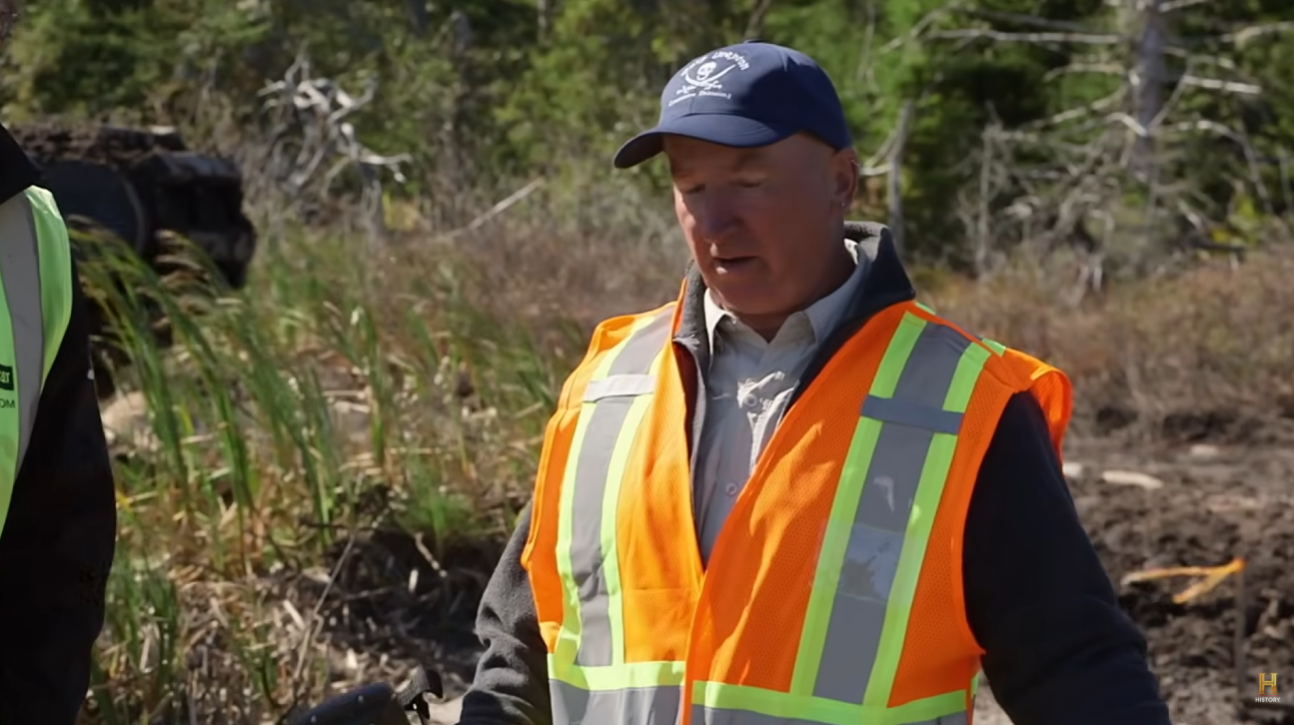
Back in the swamp’s northern region, near a previously uncovered empty slate-and-brick vault, the team—including Drayton, Begley, Tom Nolan, and archaeologist Katya—found axe-cut wooden survey stakes, an iron spike, a possible chisel, and leather fragments from shoes. “Someone was definitely doing some work around here,” Begley remarked.
The leather pieces were examined by ancient documents expert Joe Landry at the Oak Island Research Center. He identified them as soles from oak-tanned boots, dating to 1830-1900, possibly military-style. “It’s a tough, tough leather. Wears well,” Landry said, linking the finds to the era of farmer Anthony Graves, who owned much of the island from 1857 onward.
Graves, a reclusive figure, reportedly paid for goods with silver Spanish coins despite never searching the Money Pit himself. “Might that vault have been discovered by Anthony Graves?” speculated team member Craig Tester. “That’s exactly why we’re in the swamp and digging it out, looking for some of those silver coins.”
Rick Lagina remains optimistic: “Each clue leads to another clue. Ultimately, hopefully, we’ll get a more complete understanding of the story of the bog.” Drayton echoed the sentiment: “I’m hopeful that coins are gonna be following these.”
As the team awaits permits to expand excavations at Smith’s Cove, these discoveries reinforce Oak Island’s allure as a site of layered histories—from potential Templar relics to colonial operations. Whether these artifacts lead to the fabled treasure or merely deepen the mystery, the hunt continues with “eyes and boots” on the ground.
The Lagina brothers’ efforts, documented on the hit series The Curse of Oak Island, have drawn global attention, blending archaeology, history, and adventure. Stay tuned for updates as the team pursues these promising leads.