
In the latest installment of History Channel’s long-running series “The Curse of Oak Island,” episode 12 of season 13 delivers a masterclass in suspense, blending archaeological digs, geological puzzles, and historical sleuthing to keep viewers hooked on one of television’s most enduring treasure hunts. As brothers Rick and Marty Lagina and their team delve deeper into Nova Scotia’s enigmatic Oak Island, the episode unfolds like a tapestry of interconnected clues, hinting that the island’s secrets may be on the verge of revelation.
The action kicks off in the team’s war room, where attention turns to a bizarre L-shaped boulder feature unearthed on Lot 8. Described by the crew as unmistakably man-made – with evenly spaced stones, a massive positioned boulder, and signs of disturbed soil – this discovery sparks intense debate. “This isn’t just a rock; it’s a structure,” Rick Lagina emphasized, highlighting the “human interface factor” that defies natural explanations. A snake camera probe beneath the boulder revealed a tight void and a mysterious linear object, possibly a metallic iron spike. Alex Lagina speculated it could be the remnant of a decayed wooden structure, preserved only by the island’s acidic soil. The team weighed the risks of lifting the boulder, balancing Marty’s eagerness for answers against Rick’s call for preservation, underscoring the show’s philosophical core: instant gratification versus archaeological integrity.
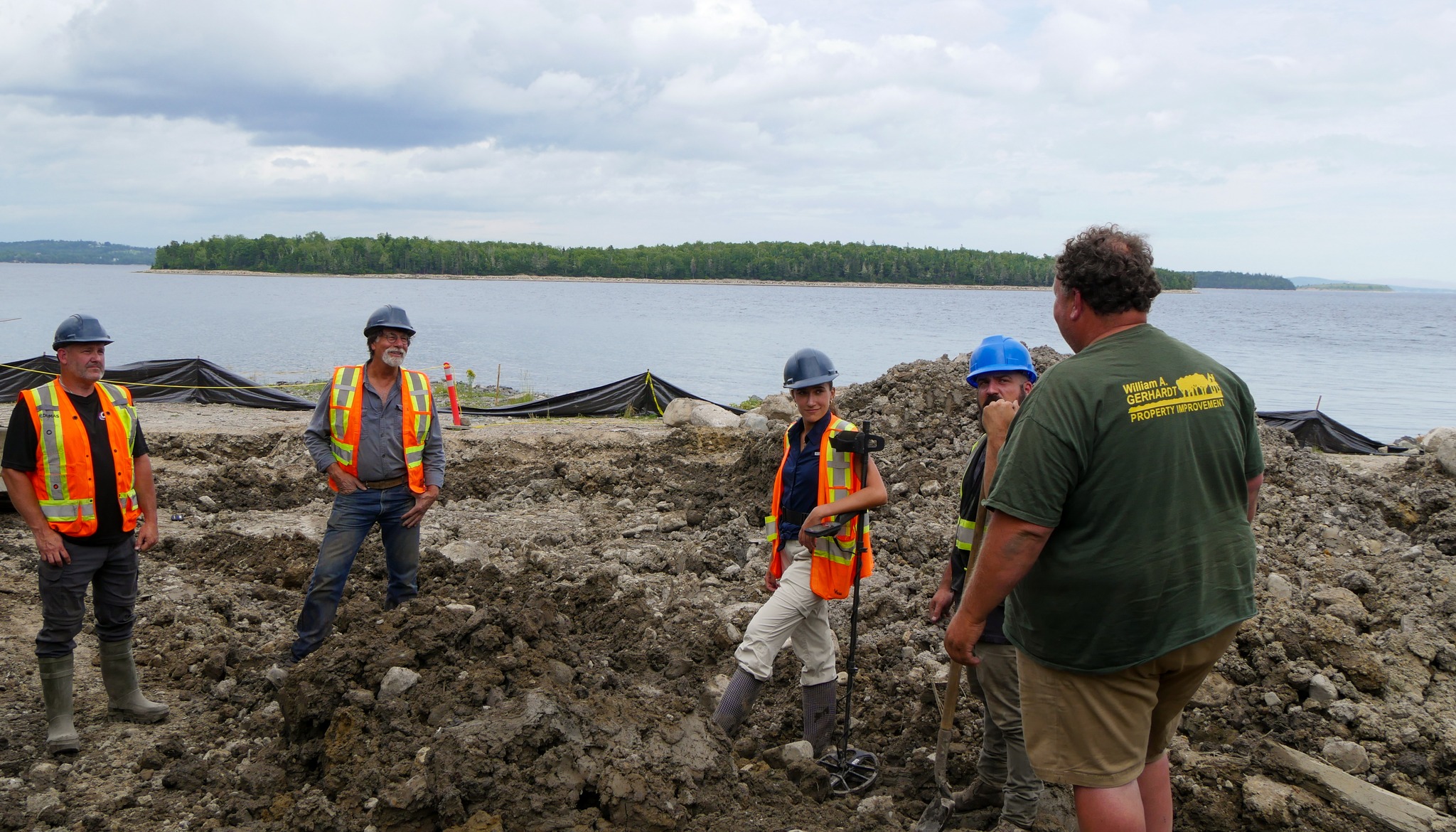
Shifting gears to the infamous Money Pit, borehole drilling in the Peacock area uncovered slushy, unconsolidated material and a nearly 20-foot void at 145 feet deep – telltale signs of potential collapse chambers. Geologist Terry Matheson noted that such “loose slurry” is ideal for concealing treasures, bolstering theories of an offset chamber linked to the original pit. While no artifacts surfaced, the geological anomalies suggest that any hidden bounty may have shifted over centuries due to natural forces.
In the northern swamp on Tom Nolan’s property, metal detectorist Gary Drayton led a fruitful excavation yielding an abundance of pottery shards. Analyzed by expert Laird Niven, some pieces were identified as redware, possibly North Devon gravelware from the 1600s or 1700s, pushing the island’s activity timeline back to early European exploration. Adding to the intrigue, a heavy iron object – believed to be a lifting device for heavy loads like stones or vaults – was recovered near a known cobblestone pathway. This find implies organized construction, evoking images of coordinated labor by groups with military or religious ties.
The episode’s historical depth shines during a field trip to Fort Point in LaHave, Nova Scotia, where the team explores links to Isaac de Razilly, a 17th-century French nobleman and Knight of Malta. Local historian Joan Dawson confirmed Razilly’s wealth, influence, and role in regional colonization, noting that Venetian trade beads like those found on Lot 5 were common French trade items with indigenous peoples. Dawson also highlighted Razilly’s missing inventory – including leather-covered chests and flintlock muskets – which never returned to France, drawing parallels to Oak Island artifacts such as a French-style flintlock mechanism. Intriguingly, Razilly’s travels through Mahone Bay could have brought him to an “oak-filled island,” fueling speculation of early visits.
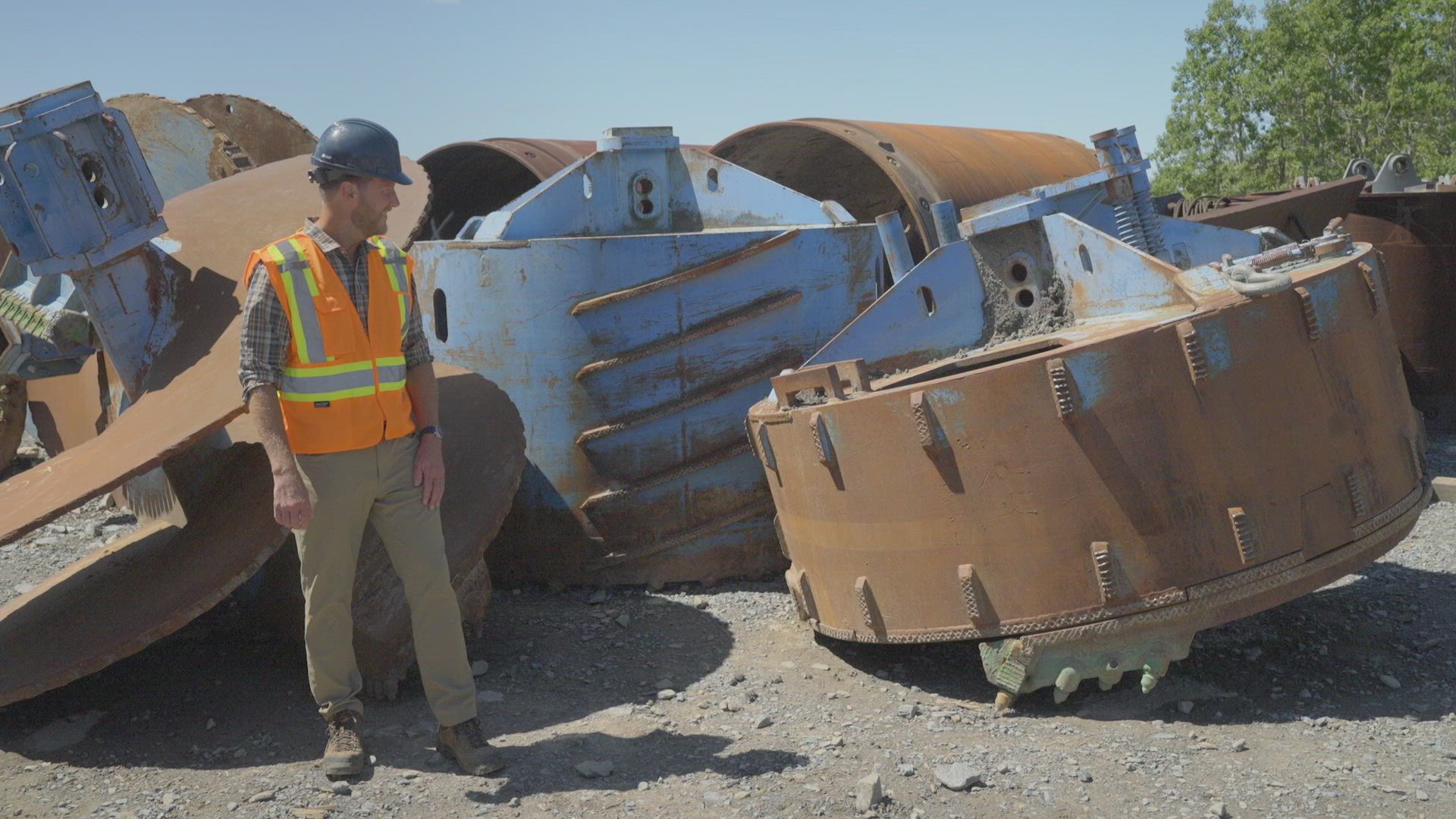
Further enriching the narrative, the team examined mysterious books featuring Maltese crosses, coded margins, and references to Josephus, consistent with a Knight of Malta’s library. Dawson’s validation lent credibility to these items, transforming fringe theories into plausible historical threads.
Back on Lot 8, a second camera probe beneath the boulder captured a stunning sight: a small, round, luminescent object resembling a pearl. While unconfirmed, its symmetry sparked wild speculation, with the team opting for cautious next steps like vacuum extraction and metal detection.
What sets episode 12 apart is its emphasis on convergence rather than climax. As Rick Lagina often says, it’s about “connective tissue” – how the boulder, swamp artifacts, Money Pit voids, and Knights of Malta ties align around a narrative of deliberate, centuries-old activity. Far from isolated anomalies, these elements suggest Oak Island was a site of engineered concealment, possibly tied to larger historical events.
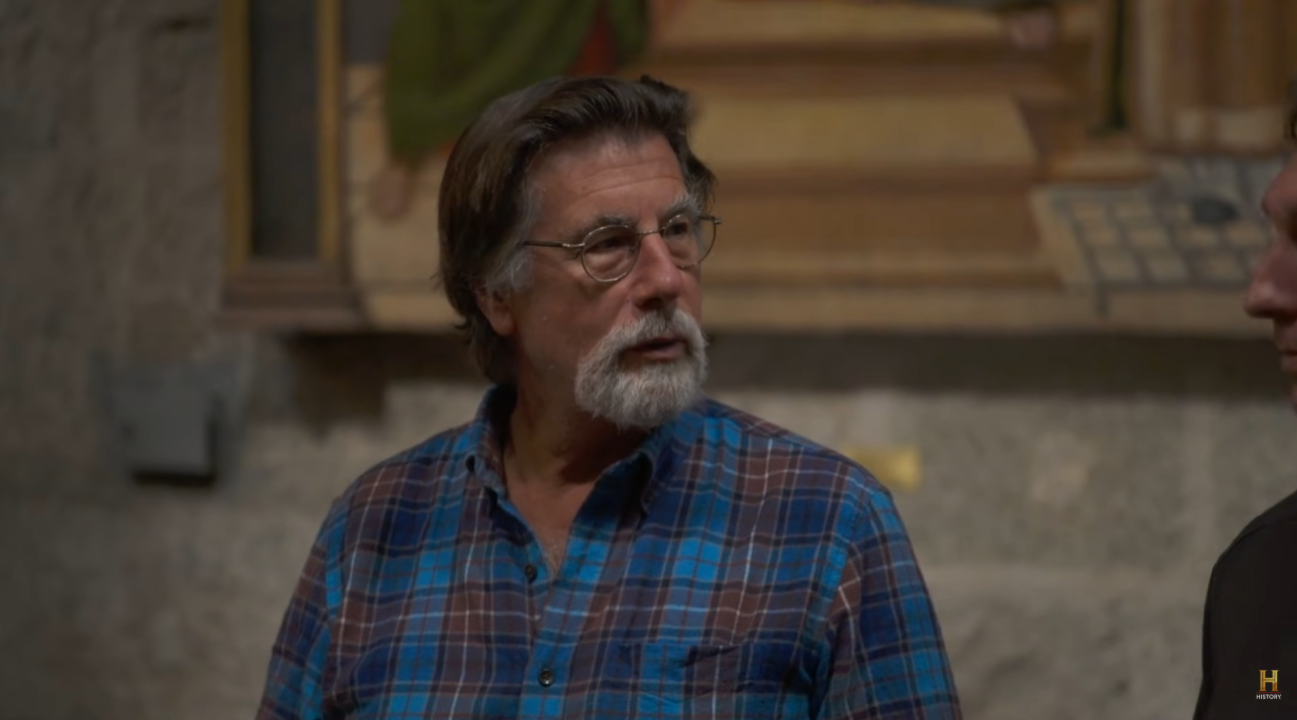
This evolution in the team’s approach – favoring methodical archaeology over hasty digs – reflects the series’ maturation. Early seasons chased dramatic payoffs, but now, as Marty Lagina’s impatience meets Rick’s restraint, the focus is on preserving context to uncover not just treasure, but history.
For fans, episode 12 reaffirms why Oak Island captivates: it’s not about a single chest of gold, but a complex story of human ingenuity and mystery. As the season progresses, viewers are left wondering if these layered discoveries will finally crack the curse – or deepen it.
“The Curse of Oak Island” airs Tuesdays on the History Channel. Catch up on past episodes via streaming platforms.