Oak Island Yields Stunning Artifacts: Team Unearths Clues to 17th-Century Secrets in Money Pit Dig

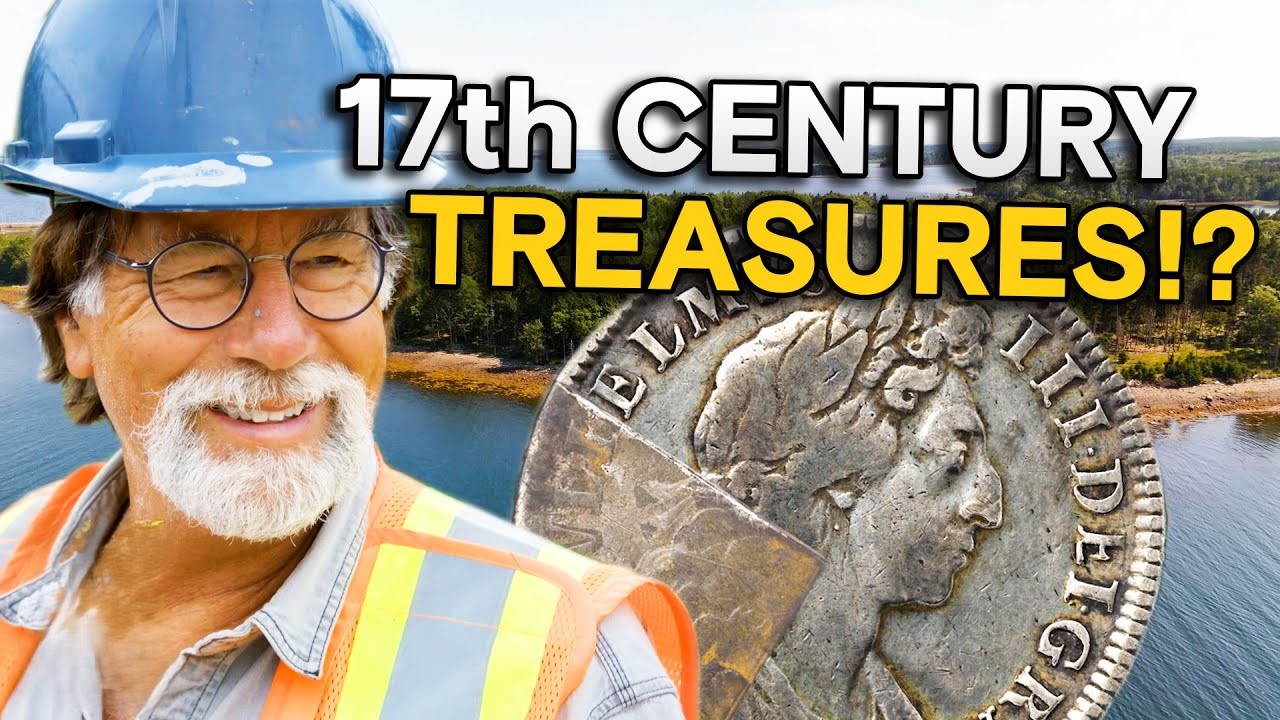
The enduring enigma of Oak Island continues to captivate as Rick Lagina and his team report groundbreaking discoveries from recent excavations, potentially linking the site’s infamous Money Pit to 17th-century English explorers, military operations, and even legendary treasure hoards. In a series of finds detailed in the latest updates from the island, artifacts ranging from antique buttons to ancient spikes are fueling speculation about the island’s hidden history.
On Lot 4 and Lot 5, located on the western side of the island, metal detection expert Gary Drayton and geologist Craig Tester sifted through over 10 tons of spoils excavated a year ago from a mysterious rounded stone feature. Among the debris—previously noted for containing mortar-like soil possibly originating from deep within the Money Pit— the duo uncovered a small, rounded button and a lead object suspected to be a coin weight.
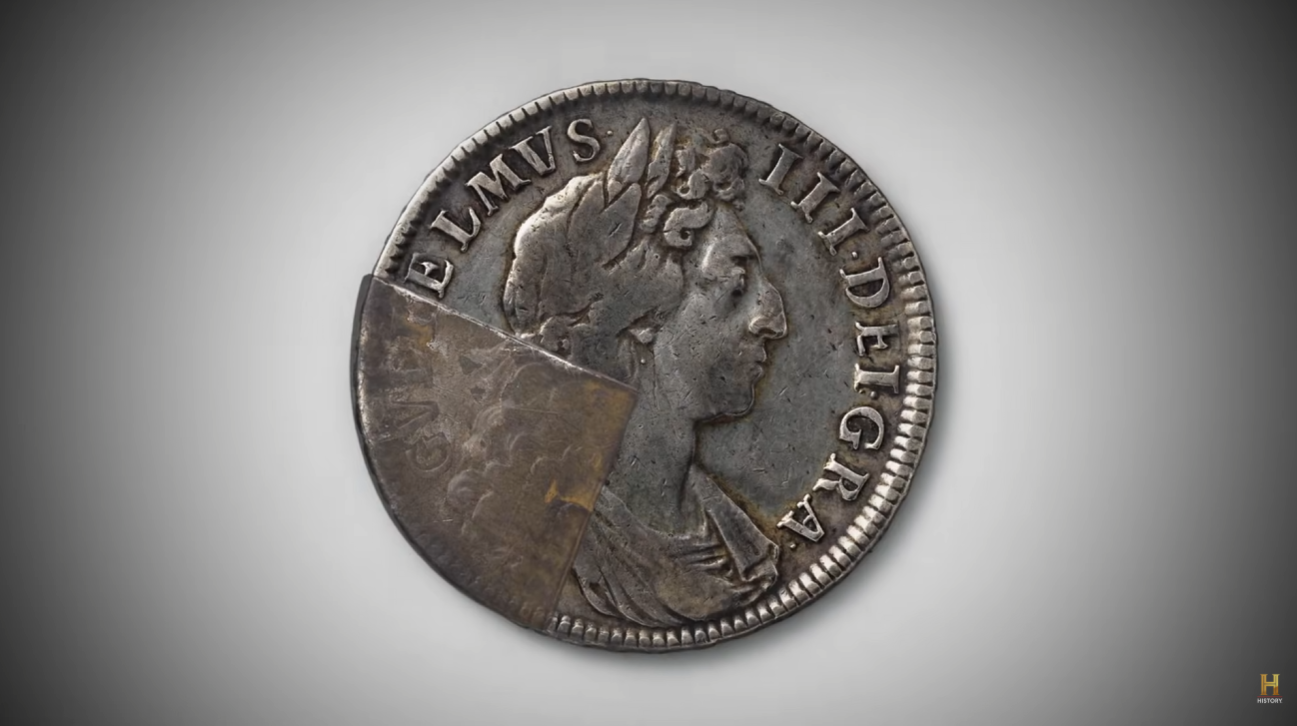
The button, described as a possible tunic or garment fastener with its loop intact, is estimated by Drayton to date from the late 1600s to mid-1700s. “These rounded buttons were normally tunic buttons,” Drayton said, noting its fancy design suggests it belonged to someone of higher status, not a common laborer. This artifact joins earlier finds from the same feature, including a fragment of a 17th-century English silver coin and a 14th-century lead barter token, which some experts link to the medieval Knights Templar—echoing the 2017 discovery of a lead cross at Smith’s Cove.
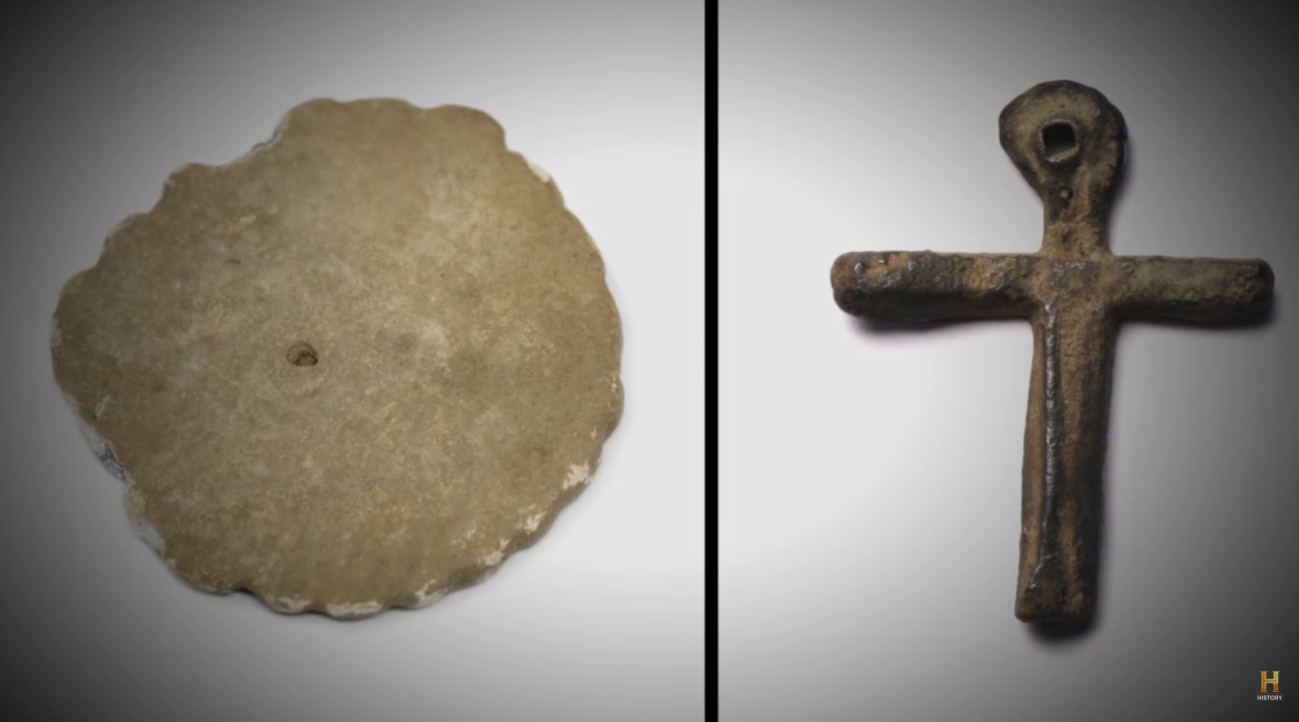
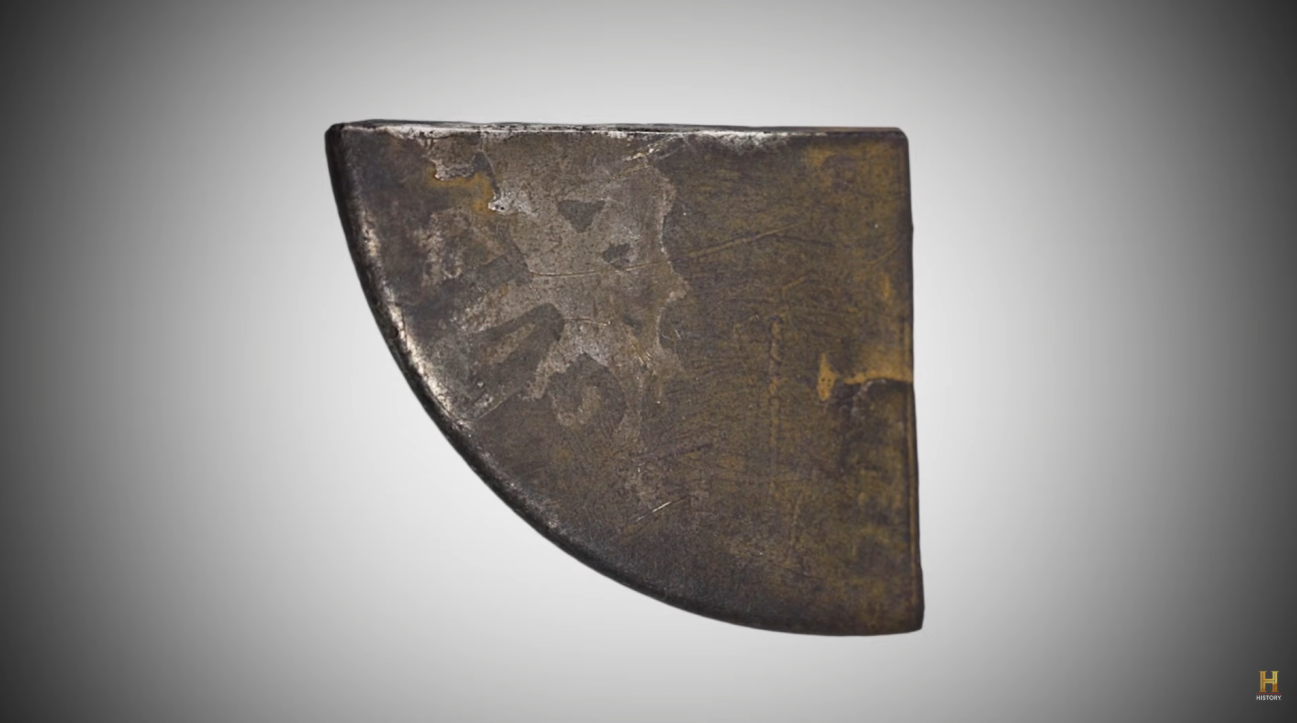
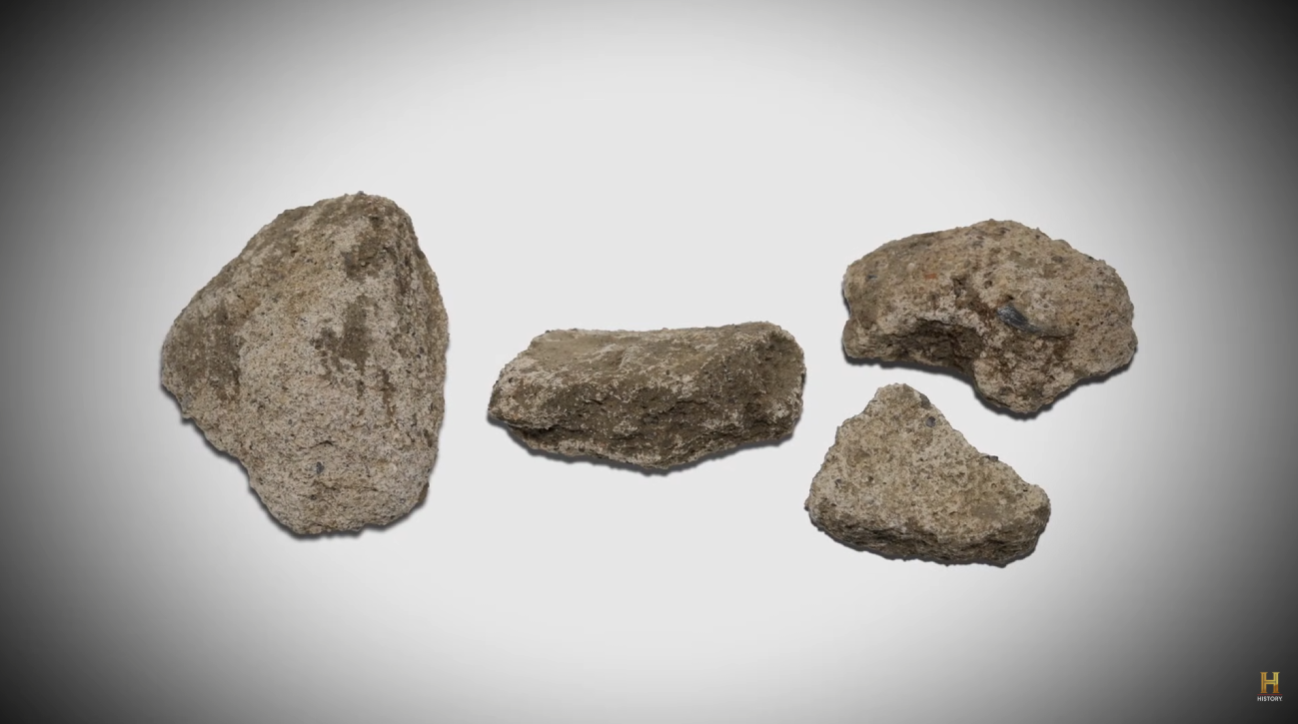
The lead object, weighing 26.2 grams and sloped on four sides, was initially identified by Drayton as a coin weight used by merchants or payroll overseers to verify coin authenticity and prevent counterfeiting, a practice dating back to 305 B.C. “Your average person wouldn’t have one of these,” Drayton explained. “It would be someone higher up.” If authentic, it could date to before the 1700s, potentially tying into the site’s treasure theories.
In the Oak Island Lab, archaeologist Laird Niven and archaeometallurgist Emma Culligan analyzed the items using CT scans and X-ray fluorescence (XRF) spectrometry. The button’s composition—a copper-iron alloy with high lead content and no aluminum—aligns with 1700s to early 1800s English manufacturing, supporting theories of British military involvement. “It points more towards a gentleman than a farmer,” Culligan noted, suggesting the rounded feature on Lot 5 may have been tied to elite depositors.
However, the lead object’s high phosphorus content raised doubts, with Culligan proposing it might be mid-20th-century. Despite its aged appearance, the team plans laser ablation testing to determine its isotopic origins and age, aiming to reconcile archaeological intuition with scientific data. “If we can prove that this trade weight is very old, it puts the other old coins we’re finding on Lot 5 into a clearer perspective,” Niven said.

Shifting to the eastern Money Pit area, the team’s excavation of shaft AC1—following the collapse of a prior target—yielded evidence of a possible tunnel at 96 feet deep, earlier than anticipated. Wooden timbers, lacking iron fasteners, suggest ancient construction. “These timbers look really old,” Lagina observed. “It could be a really old tunnel.”
From the spoils, an iron spike emerged, analyzed by Culligan as wrought iron with a rose head, hand-forged in a charcoal-fueled furnace, and of likely English origin. Its composition indicates a date no later than the mid-1700s, possibly the 1600s. “That could have easily come out of a treasure chest,” Drayton enthused, speculating it might relate to a container or structure.
In a War Room meeting, the team connected the spike to historical figures like Sir William Phips, who salvaged Spanish treasure in 1687 but allegedly hid portions with Freemason associate Captain Andrew Belcher. Researcher Scott Clark’s theories posit Oak Island as the burial site, potentially linking to Templar vaults. “This spike could be an important clue pointing to an early recovery effort or perhaps original deposit,” Marty Lagina said. “What matters is that it indicates somebody was down deep in the Money Pit well before its discovery.”

The finds bolster multi-treasure theories, with high precious metal concentrations detected in the area hinting at layered deposits. As the team eyes “Aladdin’s Cave” at 145 feet, optimism runs high. “We’re at the precipice of opening the door of that cave,” Rick Lagina declared. “Together, we’ll do the best job possible to see and retrieve whatever might be in Aladdin’s Cave.”
Experts caution that while exciting, these artifacts require further verification. Dr. Miriam Hale, a colonial engineering historian, told the Herald: “The evidence is leading toward British military ties, but we need to consolidate archaeology and science.” Skeptics remain, viewing the discoveries as possible remnants of past searches rather than original depositors.
As drilling continues, Oak Island’s layers of mystery— from Templar knights to pirate lore—keep drawing global attention. Whether these clues unlock riches or more riddles, the hunt persists.