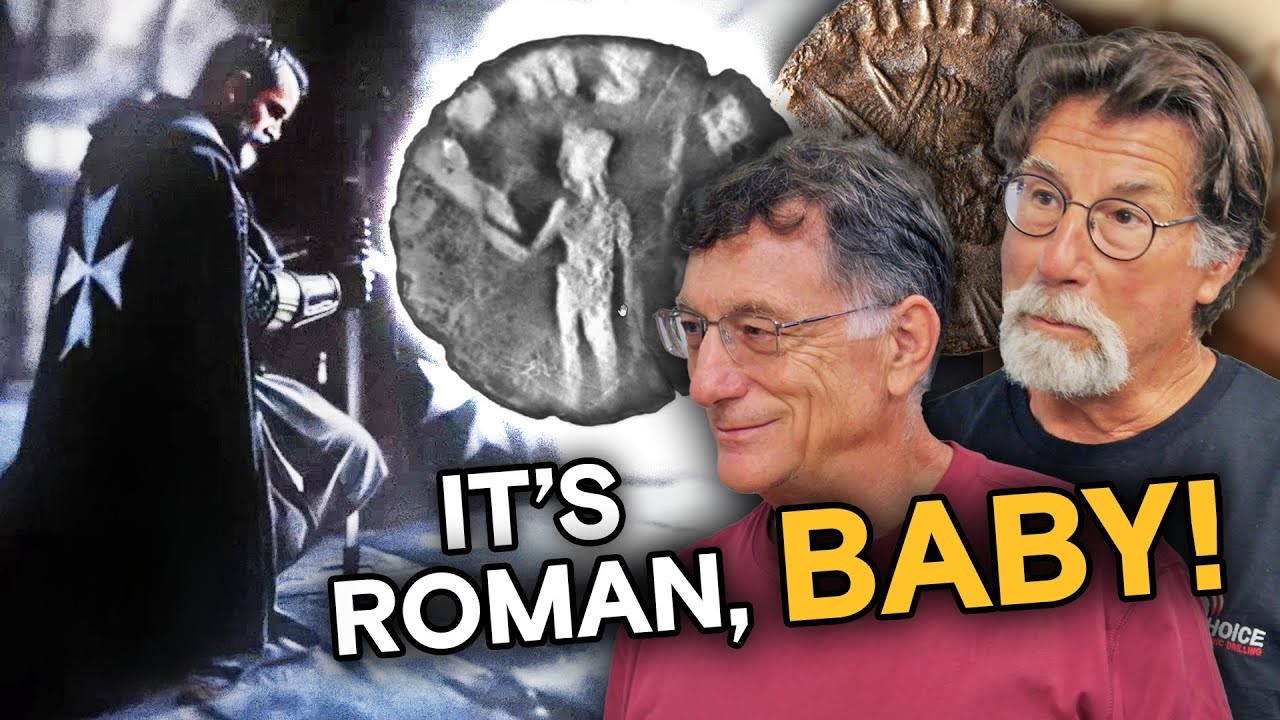
Ancient Roman Coin Sparks New Theories on Oak Island’s Hidden History
In the latest episode of History Channel’s long-running series The Curse of Oak Island, the Lagina brothers and their dedicated team uncover artifacts that could rewrite the island’s enigmatic past. Titled “Roman Around,” the installment delivers a thrilling mix of archaeological excitement, expert analysis, and speculative twists, as the fellowship delves deeper into Lot 5’s secrets. With Roman coins piling up and pottery fragments hinting at centuries of hidden activity, viewers are left pondering: Who buried these treasures, and why?
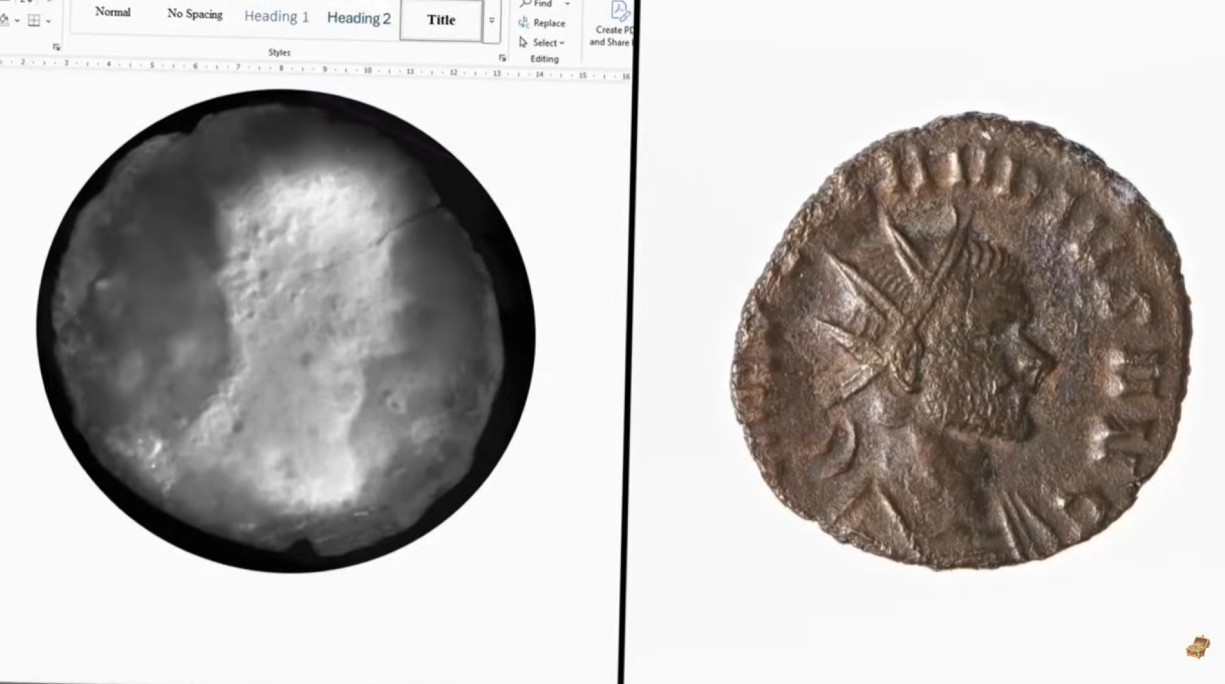
The episode kicks off in the laboratory, where Rick and Marty Lagina gather with team members to examine a coin discovered just a week prior by Marty and metal detection expert Katya Drayton on Lot 5—the same area that previously yielded five Roman coins potentially dating back 2,000 years. Using a CT scan for a closer look, archaeologist Emma Culligan identifies distinctive features: a standing figure on one side with the inscription “officina N” (indicating the ninth workshop), and a bust with a crown, sharp nose, and chin on the obverse. These traits point squarely to Emperor Claudius II, who ruled from 268 to 270 AD.
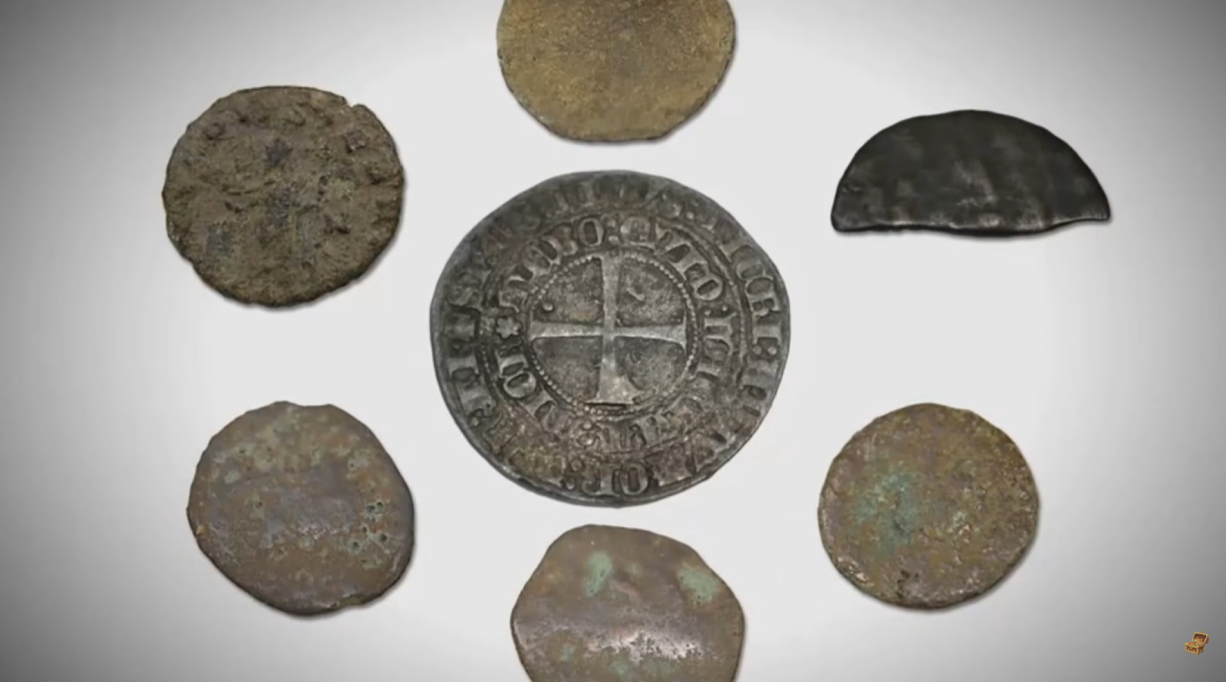
“Without a doubt, this is a Roman coin,” Culligan declares, eliciting gasps and laughter from the team. The find marks the sixth such artifact on the island, raising questions about ancient habitation in a region with no recorded settlements from that era. Rick Lagina muses on the implications: “I have always believed that what happened here on Oak Island happened long ago. This might be part of the treasure.”
Shifting to the field, archaeologist Fiona Steele and her crew investigate a mysterious rounded feature near Lot 5’s shoreline. Amidst soft topsoil and gravelly patches, they unearth fragments of an ornate earthenware bowl—shiny, patterned pieces that fit together to suggest a large utilitarian vessel, possibly used for food preparation like breads or preserved fruits. Dating estimates place it between 1600 and 1800, adding to evidence of multi-occupational use on the lot. “The things we’ve been finding give us more indication of multi-occupational use,” Steele notes. “It’s getting more and more curious.”
With no historical records of settlers on Lot 5, these shards—potentially linked to groups like the Knights of Malta or their Templar predecessors—fuel theories of secret operations. Previous discoveries, including buttons and Venetian trade beads, support a “multigenerational theory,” as Marty Lagina puts it, suggesting various factions hid valuables here over time.
Back in the research center, Rick and researcher Doug Crowell consult coin expert Sandy Campbell for further insights. Campbell confirms the coin’s Roman Empire origins and its remarkable condition despite burial. Puzzled by the concentration of such artifacts in Nova Scotia—where none are known elsewhere—he speculates on their arrival: “Roman coins traded as currency into the 1500s. They were monetarily used, and that’s what possibly brought them to this island.”
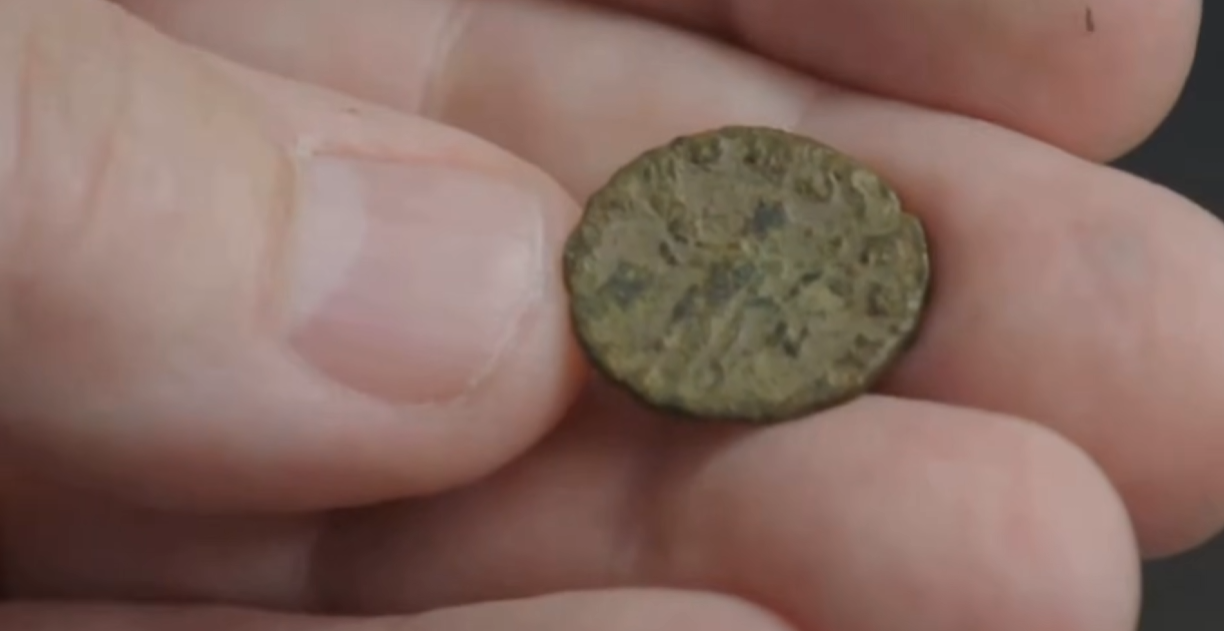
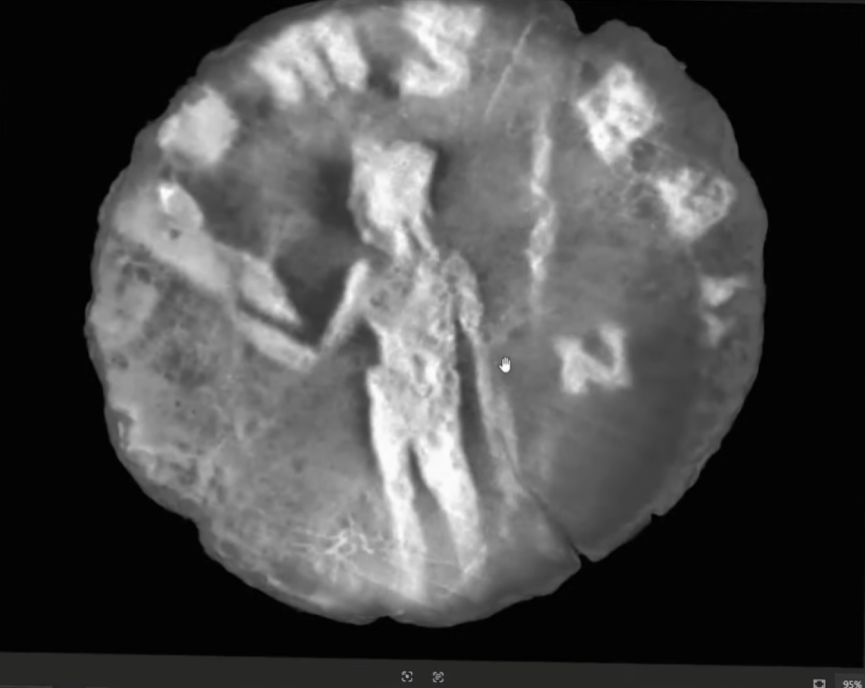
Crowell proposes a tantalizing scenario: Builders of the infamous Money Pit might have carried these coins as pocket change in the 1300s or 1400s. Campbell agrees it’s plausible, noting their value across Europe and the New World. The discussion ties into Templar connections, as similar Roman coins have surfaced at sites linked to the order, including in Iceland. “The wealth associated with the possible treasure might have been gathered from all over the world,” Crowell reflects. “Templars assimilated power, influence, wealth, and knowledge.”
As the episode concludes, the team vows to intensify searches on Lot 5, adjacent lots, and the Money Pit for “irrefutable proof.” Rick Lagina sums up the intrigue: “It’s incredibly interesting—Roman coins found on Oak Island. It just deepens the mystery.”
Oak Island’s Timeline of Enigmas: What We Know So Far
- Roman Era (250-270 AD): Sixth coin from Claudius II’s reign suggests ancient artifacts, possibly transported later.
- Medieval Period (1300s-1400s): Potential Templar involvement, given coin usage as currency and parallels at other sites.
- Early Modern (1600-1800): Pottery fragments indicate food-related activities, hinting at secretive groups like Knights of Malta.
- Modern Mysteries: No settler records on Lot 5, yet evidence of habitation points to hidden operations over centuries.
With the season just beginning, The Curse of Oak Island promises more revelations. As Marty urges, “We need to go back out to Lot 5 and find some more.” Fans eagerly await the next dig—could these clues finally crack the island’s curse?
