Oak Island’s Ageless Treasure Puzzle Sparks New Excitement With Latest Revelations

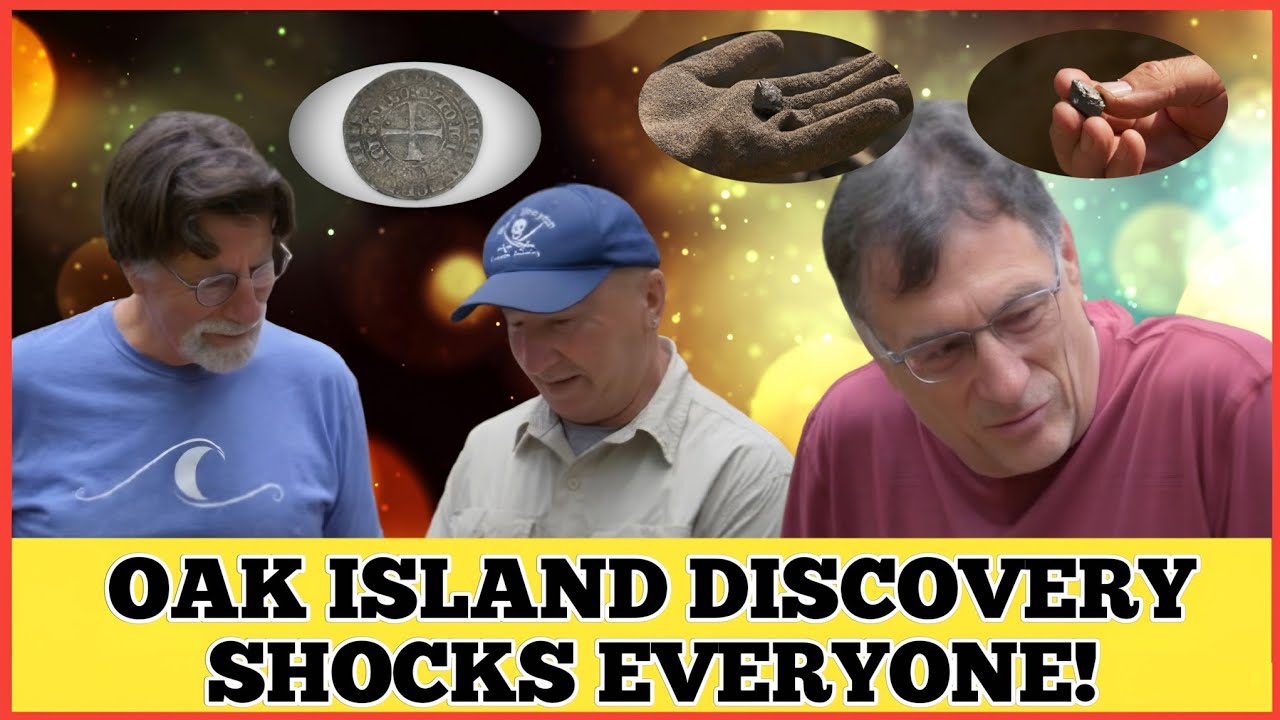
OAK ISLAND, Nova Scotia – For over two centuries, a tiny wooded isle off the coast of Nova Scotia has ensnared the imaginations of adventurers, historians, and fortune-seekers alike. Dubbed the “Money Pit” mystery, Oak Island’s allure lies in tales of buried riches, ingenious booby traps, and a curse that has claimed lives. Today, under the stewardship of brothers Rick and Marty Lagina, the quest continues with cutting-edge technology, unearthing clues that blend history, legend, and science into one of the world’s most compelling unsolved puzzles.
The saga traces back to 1795, when teenager Daniel McGinnis stumbled upon a peculiar circular depression in the earth while exploring the island. Intrigued, he and friends began digging, uncovering oak log platforms every 10 feet—hints of something deliberately concealed. Word spread, drawing generations of searchers who encountered coconut fibers (foreign to the region), inscribed stones, and flood tunnels that thwarted efforts by filling shafts with seawater. These anomalies fueled wild theories: pirate booty from Captain Kidd, treasures of the Knights Templar fleeing persecution, lost fortunes of the French Crown, or even holy relics like the Ark of the Covenant or the Holy Grail.
“A puzzle built by masterminds,” as one enthusiast puts it, Oak Island’s secrets have endured despite floods, collapses, and tragedies. Legend whispers of a curse: “Seven must die before the treasure is revealed.” To date, six lives have been lost in the pursuit, adding a chilling layer to the lore.

Enter the Lagina brothers from Michigan, whose fascination began in childhood after reading about the island in a 1965 Reader’s Digest article. Since 2006, they’ve led the charge, featured on History Channel’s The Curse of Oak Island, now in its 13th season. Armed with seismic scanning, borehole drilling, and submersible ROVs, their team—including geologists, archaeologists, and metal detection experts—has made groundbreaking finds.
Recent seasons highlight the swamp, once dismissed as natural but now suspected to be man-made. Divers and scans revealed a stone roadway submerged beneath the muck, ancient timbers, and possible ship remnants, suggesting it served as a covert harbor for unloading treasures centuries ago. In the Money Pit area, drill cores have hit voids, metallic anomalies, and wood dated to the 15th-17th centuries—predating McGinnis’s discovery.
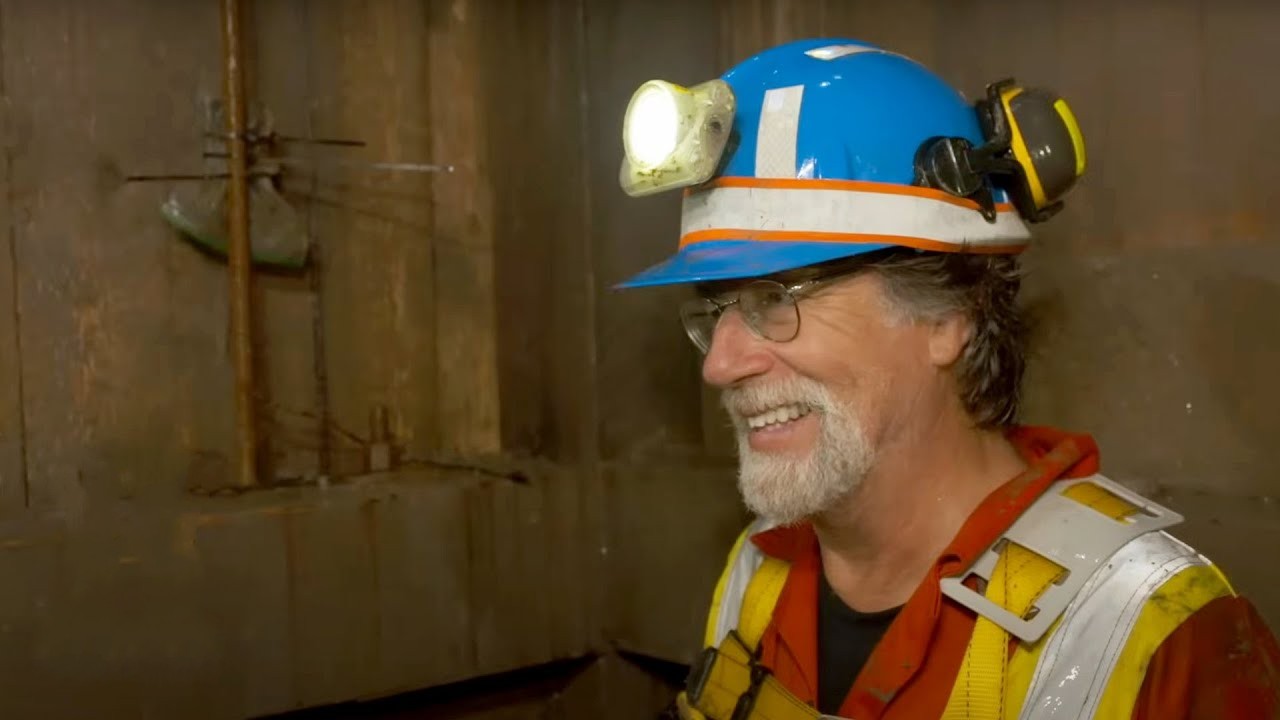
Artifacts abound: ancient coins, metal fragments, tools potentially over 400 years old, and even pottery shards on Lot 5, a recently acquired parcel yielding Roman-era hints. “Each discovery brings us one step closer,” Rick Lagina has said, echoing the optimism that drives the team despite setbacks like permit delays and elusive chambers.
Theories persist: Did Templars, escaping 14th-century Europe, stash sacred artifacts here? Or was it pirates evading capture? Seismic data points to underground tunnels and cavities, possibly engineered flood traps to protect valuables worth billions today.
As the Laginas press on—drilling deeper, mapping anomalies—fans worldwide tune in, debating if the “treasure” is material wealth or the island’s historical tapestry itself. With breakthroughs like Nolan’s Cross (a boulder alignment discovered in 1981) and recent underwater scans, the curse may yet be broken.
In an era of instant answers, Oak Island reminds us that some mysteries endure, blending danger, hope, and history. As Marty Lagina quips, “The truth is out there—and we’re digging for it.” Whether the next core sample reveals gold or more questions, the hunt captivates, proving some secrets are worth the wait.