Oak Island’s Ancient Well Yields Iron Clues: Team Uncovers Potential Pre-Money Pit Artifact on Lot 26

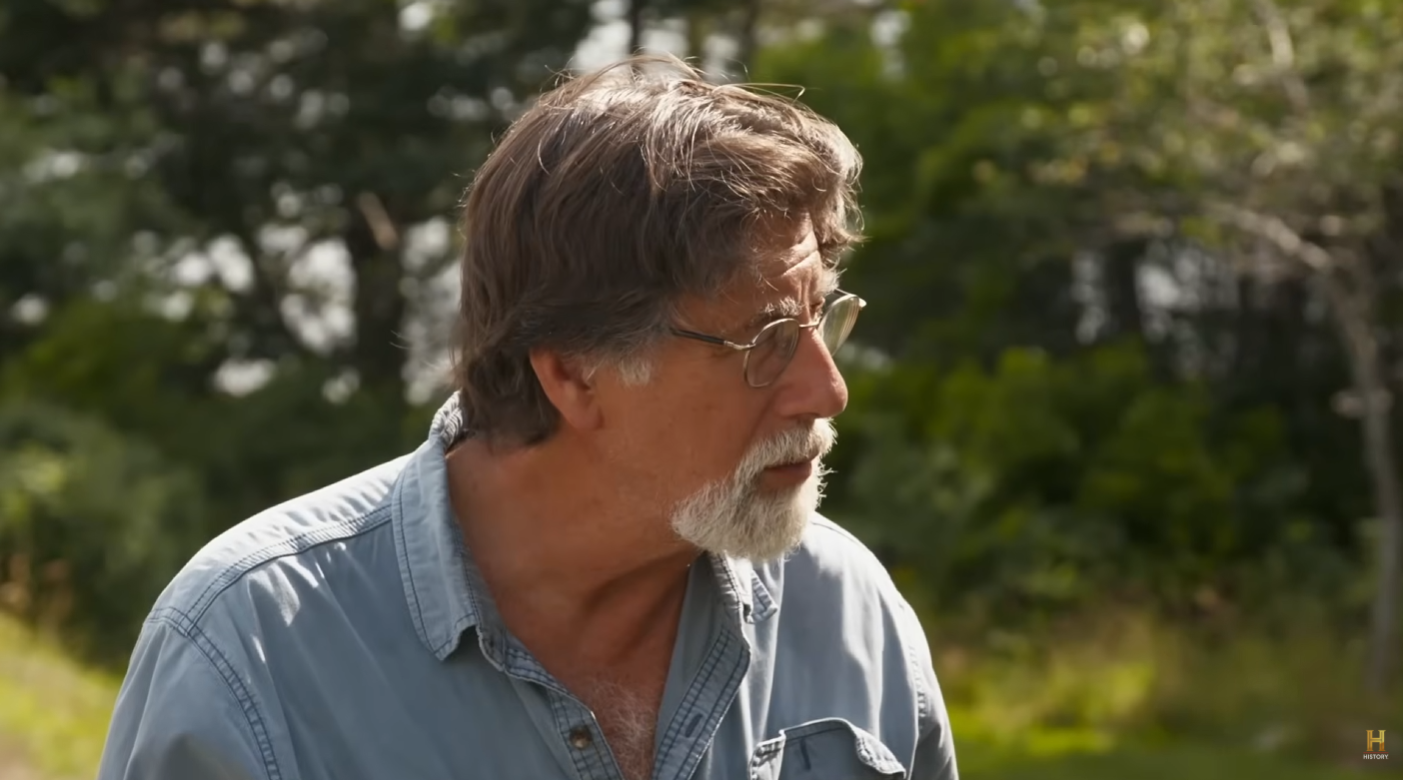
In the ongoing quest to unravel the secrets of Oak Island, the Fellowship of the Dig has turned their attention to a 900-year-old stone well on Lot 26, where recent excavations have produced intriguing artifacts that could rewrite the timeline of human activity on the island. Led by Jack Begley, archaeologists Laird Niven and Helen Sheldon, the team pumped out water and sifted through muck, hoping to find datable evidence linking the well to the island’s legendary treasure.
The well, one of the oldest manmade features discovered on Oak Island, has sparked particular interest due to elevated silver traces detected in its water by geochemist Dr. Ian Spooner. “How do you explain that?” pondered Rick Lagina, co-leader of the expedition. Speculation abounds that such structures might have served as hidden “banks” for valuables in the island’s remote past.
Begley, knee-deep in the task, scooped debris onto tarps for later examination. “I feel like I’m getting to a more gravelly, rocky layer,” he noted, observing the well’s rounded construction giving way to angular rocks. Niven agreed, highlighting the structure’s deliberate design. The process, described as a multi-day effort to clear water and sediment, aimed to reveal answers at the bottom. “I’ve never excavated like this before,” admitted Niven, with Begley quipping, “There’s a first time for everything.”
Marty Lagina, reflecting on Lot 26’s growing significance, connected the well to other anomalies like the paved area in the swamp and a possible ship’s railing. “It’s astounding. I can’t explain it,” he said, noting the well’s 11th-century origins challenge conventional narratives.

Sifting Yields Mysterious Iron Find
Later that afternoon, outside the Oak Island Interpretive Centre, Helen Sheldon and archaeometallurgist Emma Culligan meticulously sifted the dried spoils. Amid organics and debris, they unearthed a peculiar iron object. “Look at that. It’s definitely iron,” Sheldon exclaimed. “Looks hand-wrought. Maybe a file.”
Culligan examined it closely: “The tip is rounded and intentional… It seems like it could have been longer.” Noting high sulfur content—a marker of lower-temperature furnaces—she estimated a 1700s origin. “That alone indicates it’s older iron,” she explained.
Rick Lagina arrived to inspect the find. “What do you mean, it was a nail but not a nail?” he asked. Discussions turned to shipbuilding, where nails were clenched and bent. “Could that be a clench?” Lagina suggested. Culligan concurred it might relate to sailing vessels, with no manganese suggesting pre-1840 manufacture—potentially predating the 1795 Money Pit discovery.
The artifact’s condition, with minimal rust buildup, surprised the team. “Metal should last almost forever in that muck,” Lagina observed. Plans were made for CT scanning to uncover more details. “This certainly would be a candidate for further investigation,” Lagina voiced over, hoping it “tells us a story.”
Scientific Analysis at Saint Mary’s University
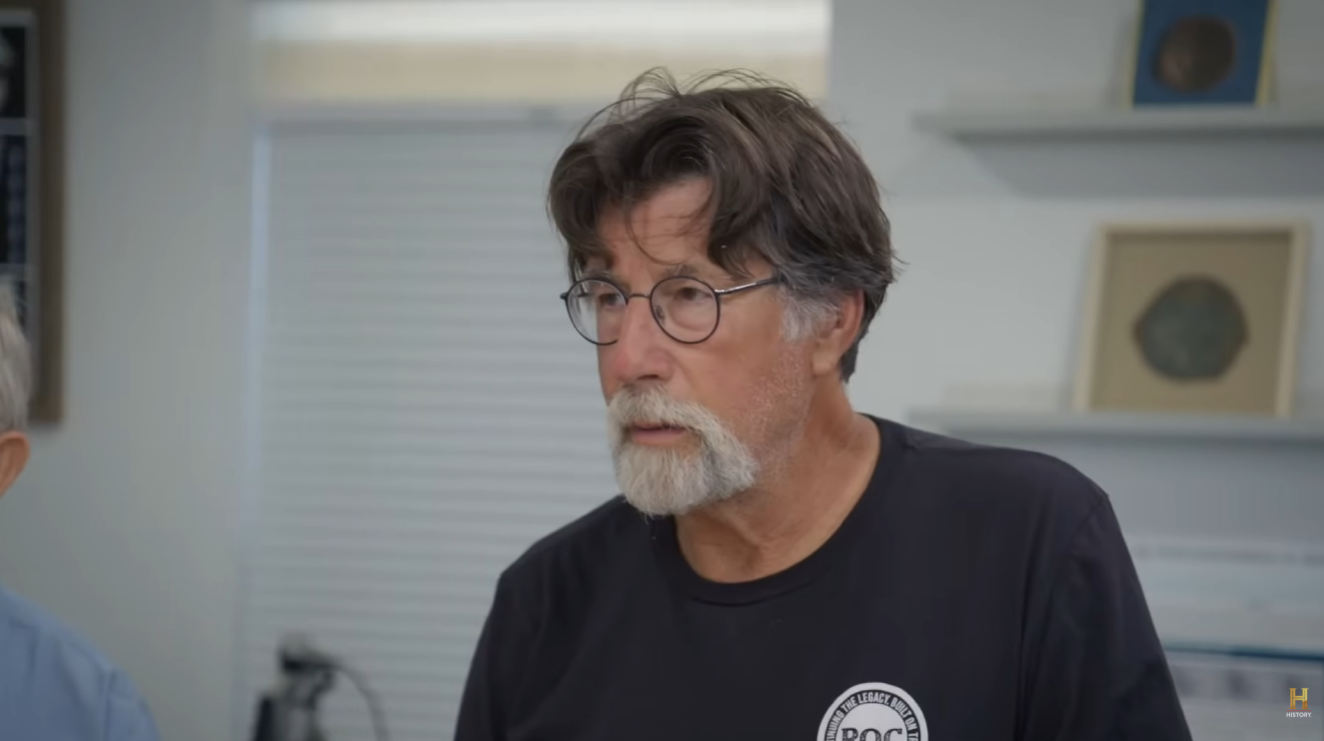
The following day, approximately 50 miles northeast in Halifax, Peter Fornetti, historian Charles Barkhouse, and Culligan brought the artifact to Saint Mary’s University for analysis by chemist Dr. Christa Brosseau and colleague Dr. Xiang Yang. Using a Scanning Electron Microscope (SEM), capable of 200,000x magnification, they scrutinized samples.
“This has a rectangular shape, characteristic of hand-wrought nails,” Brosseau noted. SEM results confirmed: “No manganese, so pre-1840, most likely.” Fornetti tied this to blacksmith Carmen Legge’s earlier 1650s estimate, calling it consistent.
Barkhouse emphasized the implications: “There’s activity on this lot prior to any inhabitants… Nowhere near the Money Pit. What were they doing there? Was it an access or exit point?” Culligan agreed Lot 26 holds more secrets.
A Timeline Emerges Amid Mysteries
The findings bolster theories of pre-settler activity, possibly tied to maritime endeavors or treasure deposition. “You could find all the artifacts you want, but they have to tell a story,” Lagina stressed. “We need a timeline.”
As the team continues sifting additional buckets, anticipation builds. “At least there’s stuff to dig that’s human-made,” Marty Lagina noted optimistically. With silver traces and ancient iron, Lot 26 is proving a hotspot, challenging searchers to connect dots across centuries.
The expedition presses on, blending archaeology, science, and speculation in their pursuit of Oak Island’s elusive truth.