Revelations on Oak Island: Ancient Tools, Maltese Ties, and a Growing Theory of a Sacred Secret


The latest episode of The Curse of Oak Island (Season 12, Episode 22) has delivered what many fans and researchers are calling the most historically significant revelations yet. As the Lagina brothers continue their years-long quest for truth beneath the island’s surface, new discoveries suggest the mystery may stretch far beyond Canadian shores—into the very heart of medieval Europe.
A Pickaxe with a European Pedigree
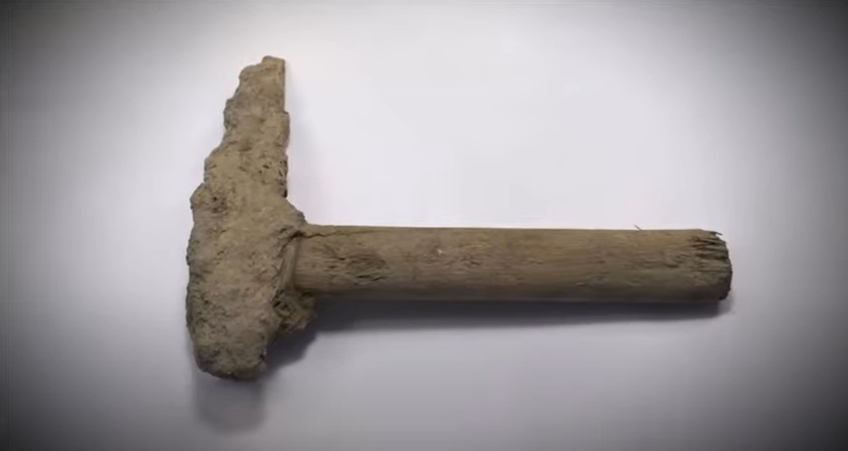
One of the most remarkable findings resurfaced from the Money Pit area—an iron pickaxe unearthed over six years ago at a depth of 145 feet. While originally dismissed as debris from past treasure hunters, new analysis has altered its place in the investigation.
During a recent research expedition to Malta, archaeologists confirmed that the tool matches the design of equipment used by the Knights of Malta—a religious and military order known for their expertise in subterranean construction during the 16th century. These tools were historically employed to excavate tunnels, cisterns, and fortifications across Europe and the Mediterranean.
“This isn’t just another artifact,” said one expert. “It’s a blueprint connection across continents.”
Waterproofing from Malta to Nova Scotia
Further linking Oak Island to Maltese construction is the mysterious man-made clay found within the Money Pit. First noted in 1804, this clay, believed to serve as a water barrier, closely resembles a composite used in Malta that blended crushed pottery and clay for waterproofing.
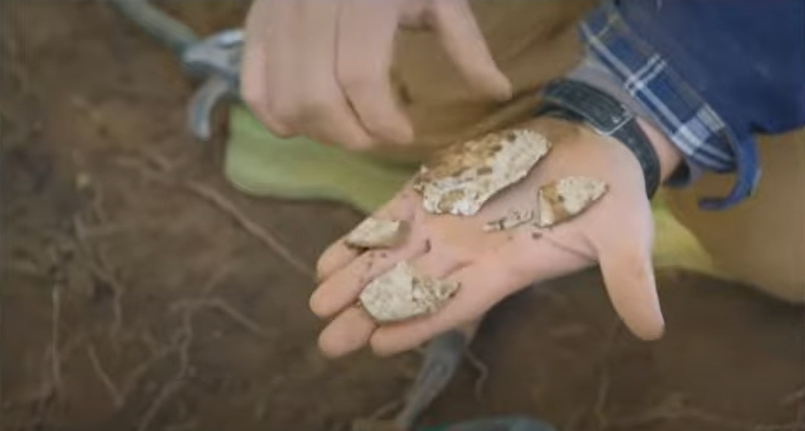
Modern excavations have unearthed fragments of similar pottery deep underground, prompting investigators to question whether 16th-century European engineering was employed centuries ago in Nova Scotia.
Lot 5: A Hotspot of European Relics
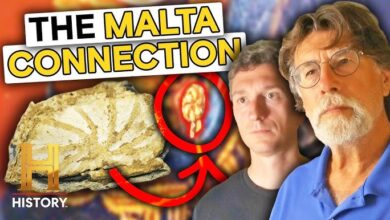
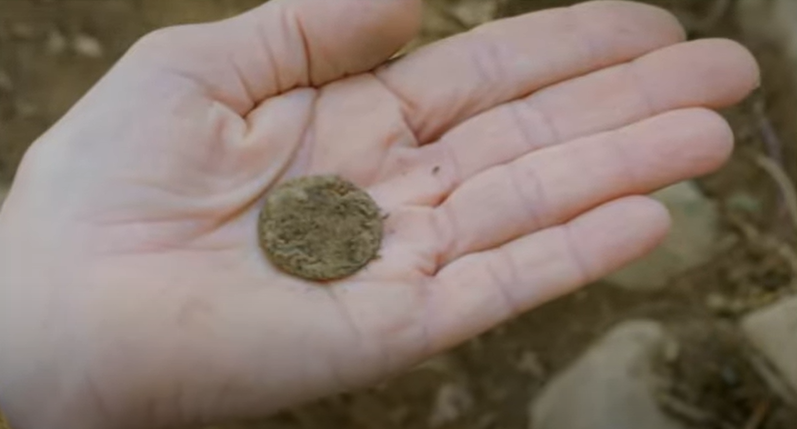
Previously overlooked, Lot 5 is now yielding evidence of sustained activity. Among the recent finds: slipware pottery from the 1700s and a “Starburst” button—a decorative piece potentially linked to elite European military orders.
The button’s ornate design and composition suggest it could have belonged to a knight or officer of the Knights of Malta. Researcher Judy Rudebusch believes it is a key piece in the growing theory of European nobility being directly involved in the Oak Island mystery.
Further finds on Lot 5 include mortar matching samples from the Money Pit and layered earth indicating prolonged, staged occupation.
Swamp Secrets: Vault Structures and Architectural Intent
In the northern swamp, an area long suspected of being artificially altered, a new wooden structure has emerged. Logs arranged with precision and deliberate notching suggest a vault-like purpose, raising questions about the swamp’s true history.
“Someone built this to get out here,” said Marty Lagina. “That much is clear. The question is—why?”
The theory now gaining traction is that the swamp may hide multiple compartments or vaults, connected through a sophisticated network of hidden architecture—designed not just to store but to protect.
The Maltese Connection: Underground Tunnels Abroad
While on Malta, Rick Lagina and his team explored underground tunnel systems dating back to 1570, built by the Knights of Malta in response to Ottoman threats. These included hidden vaults, air shafts, and water management systems—strikingly similar to those believed to exist on Oak Island.
Even more compelling is the historical presence of Isaac de Razilly, a French sea captain and Knight of Malta, who led colonization efforts near Oak Island in 1632. His base of operations was Fort Point, just 15 miles from the island itself.
Templars, Malta, and a Brotherhood Reborn?
Speculation now centers around a potential convergence of two powerful knightly orders: the Knights Templar and the Knights of Malta. Some historians theorize that following the suppression of the Templars, remnants of the order found refuge within the ranks of Malta’s knights.
If true, then structures, symbols, and techniques uncovered on Oak Island may be the legacy of a unified brotherhood intent on safeguarding something of immense value—possibly sacred texts, powerful relics, or forbidden knowledge.
The Real Treasure: Truth Hidden in Plain Sight
Despite centuries of effort, the core treasure of Oak Island remains elusive. But as the latest discoveries suggest, perhaps the true treasure is not gold or jewels—but truth itself.
“This isn’t the work of desperate men burying loot,” said one historian. “This is methodical, purposeful, and done with knowledge meant to last through the ages.”
Whether Oak Island conceals material wealth or a deeper historical truth, the discoveries of Season 12 are reshaping the narrative. One thing is clear: the mystery is far from over, and its origins may be more global—and more profound—than anyone ever imagined.
Stay tuned for continuing coverage of Oak Island’s unfolding secrets.