SILVER, GOLD, AND SECRETS: OAK ISLAND TEAM CLOSER THAN EVER TO UNCOVERING CENTURIES-OLD TREASURE

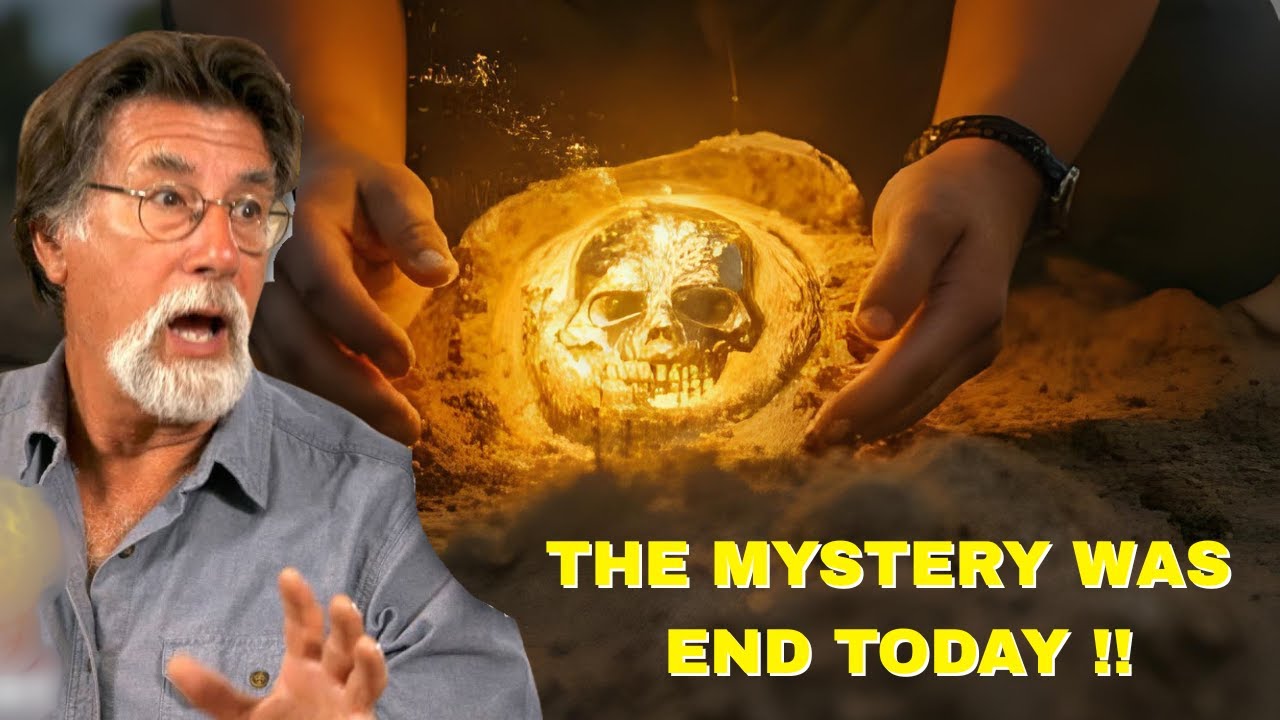
After over a decade of digging, drilling, and deciphering cryptic clues, the Curse of Oak Island team may finally be on the verge of unlocking the island’s greatest mystery — the legendary treasure long rumored to lie hidden beneath its surface.
Recent discoveries have electrified the Lagina brothers and their team. Gold and silver have been confirmed in soil and water samples near the infamous Garden Shaft, a site now believed to be part of the original deposit system designed centuries ago. Partnering with Dumaw Contracting Ltd, the crew restored the Garden Shaft, only to encounter a sudden flood of ocean water — a possible confirmation of Oak Island’s infamous booby-trapped flood tunnels.
“This isn’t just geology anymore,” said Rick Lagina. “It’s deliberate engineering. Someone tried very hard to keep this hidden.”
The “Baby Blob” and the Booby Trap
A horizontal drilling attempt aimed toward the gold-rich area known as the Baby Blob led to the breach of what the team believes is an ancient trap system. Though operations were set back, the discovery reinforced their belief: the Garden Shaft may be the key to the treasure.
The goal now? Dendrochronology. By dating wood retrieved from the shaft, they hope to pinpoint when it was constructed — and whether it connects directly to the original Money Pit, discovered in 1795.
Lot 5: The Treasure’s Trail Expands
Attention has also shifted to Lot 5, a 4-acre parcel acquired by Rick, Marty, and Craig Tester. The site has yielded astonishing artifacts: coins, barter tokens, and tools spanning from the 13th to 18th centuries. One of the most notable finds — a cut English shilling from the 1690s, identified via CT scan and XRF analysis — ties the site to potential British military activity, possibly involving Sir William Phips, a 17th-century figure once linked to Spanish treasure recovery efforts.
Historian Doug Crowell believes the coin could be evidence of a covert British mission to retrieve treasure buried on the island — a theory supported by a long-forgotten book titled Oak Island and Its Treasures.
Structure, Strategy, and Suspicion
Archaeological excavation near the island’s western shoreline has uncovered two massive stone foundations — one rectangular, one rounded — possibly dwellings used during the original construction of the Money Pit. The design and build quality of the structures suggest a multigenerational operation, supporting theories that whoever buried the treasure likely lived nearby.
Meanwhile, Gary Drayton and Peter Fornetti unearthed several remarkable artifacts, including a 14th-century barter token, matching metals found deep in the Money Pit. Their most recent find, a cut coin possibly of Spanish origin, may date to an era when pirates and navies paid crews in split silver currency.
Digging Deeper: Shaft 2 and the “Golden Egg”
All eyes are now on a potential breakthrough — the rediscovery of Shaft 2, believed to be the first true “searcher shaft” from 1805. With wood samples being dated for age verification, a match could link it directly to the original search effort over two centuries ago.
Even more promising is a newly identified area dubbed “The Golden Egg” — a 2,500-square-foot section within the “P zone” showing the highest levels of gold, silver, copper, and lead ever recorded on the island. Drilling in borehole EN13 produced strange booming sounds — possibly from collapsing chambers or pressure release inside a large underground void.
Dr. Spooner, the team’s hydrogeologist, suggests that the sounds, water discoloration, and metal traces all point to a buried chamber filled with organic and metallic materials.
A Viking Connection?
Perhaps the most unexpected development is the potential Norse link to Oak Island. With another Roman coin discovered — similar to others previously found — theories have emerged that Viking explorers or their descendants could have reached Nova Scotia and possibly collaborated with other groups, such as the Knights Templar.
To explore this theory, the team is planning a research expedition to L’Anse aux Meadows, the only confirmed Viking settlement in North America. There, they hope to compare newly discovered artifacts — including an arrowhead believed to be of Norse design — to known Viking relics.
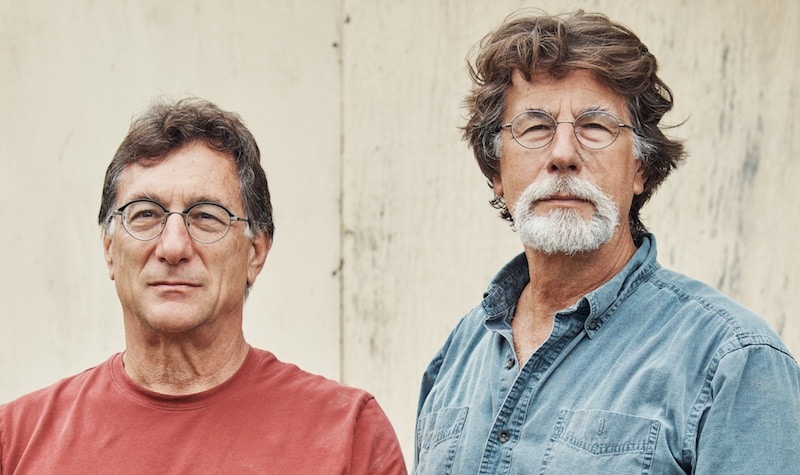
“It’s entirely possible,” said Marty Lagina, “that we’re not just looking for a treasure, but unraveling a hidden history of transatlantic exploration and secret alliances.”
What’s Next?
The Oak Island team is preparing for one of their most ambitious seasons yet. With every layer they uncover, new questions emerge — and more clues point toward something buried far deeper than gold.
For Rick Lagina, this isn’t just about wealth. “It’s about truth. It’s about who did this, why they did it — and what they left behind.”
If the latest round of drilling, dating, and discovery delivers what the data now suggests, the world may finally get an answer to a question that has lingered for over 200 years:
Is the treasure of Oak Island real?
Stay tuned. The island has not finished telling its story.