Templar–Viking Connection? Oak Island Team Uncovers Explosive Old World Clues


Valkenburg, Netherlands / Kerteminde, Denmark / L’Anse aux Meadows, Canada — The hunt for answers behind the Oak Island mystery has taken a dramatic turn as Rick and Marty Lagina and their research team traveled across Europe and Canada, uncovering a trail of symbols, artifacts, and archaeological clues that may link the medieval Knights Templar with Viking explorers — and potentially with Oak Island itself.
Templar Carvings Found Beneath a Medieval Dutch Fortress
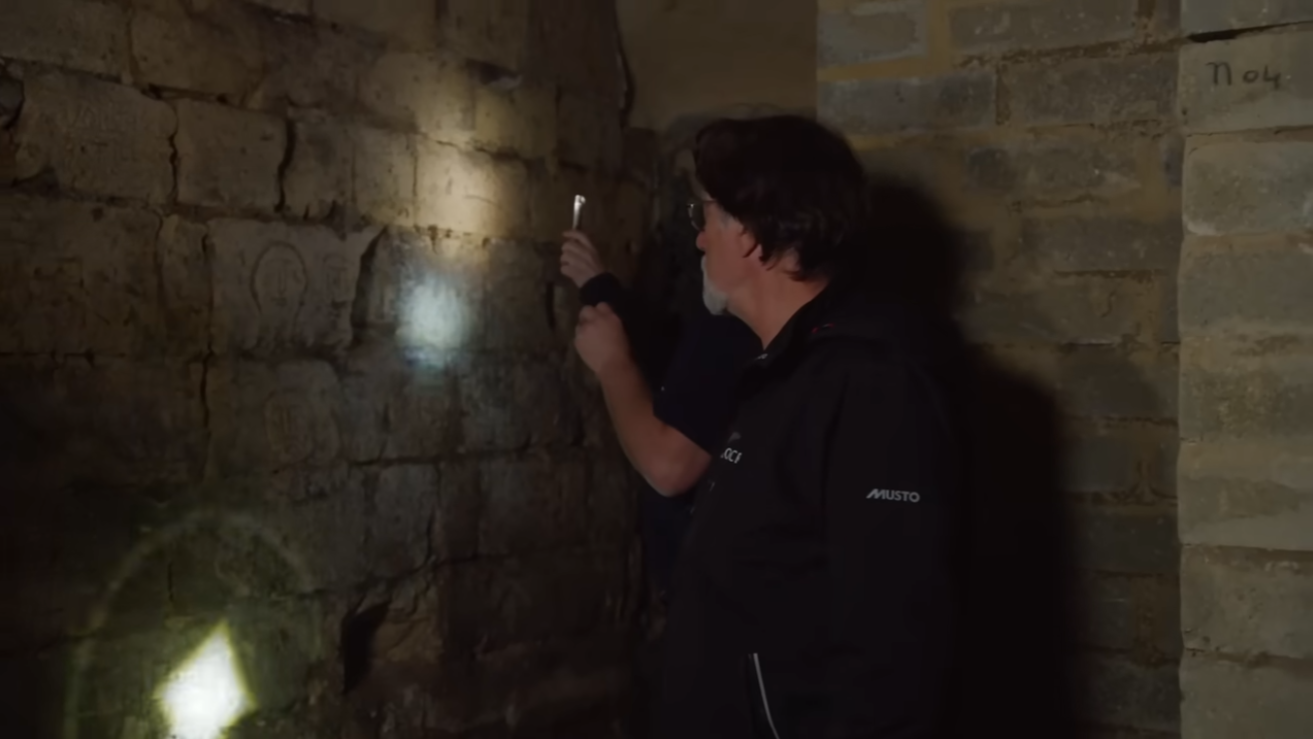
At the 12th-century Valkenburg Castle in the Netherlands, the team examined dungeons where Knights Templar were imprisoned following the 1307 crackdown by King Philip IV and Pope Clement V.
Author Corjan Mol and historian Jacquo Silvertant led the tour, revealing centuries-old carvings:
A four-dot cross — a symbol found both in European Templar sites and previously on Oak Island’s H+O Stone.
A “goose paw” — believed to be a Masonic-Templar mark, matching carvings previously located on the shoreline of Liverpool, Nova Scotia.
A two-masted ship engraving — resembling Viking-style vessels.
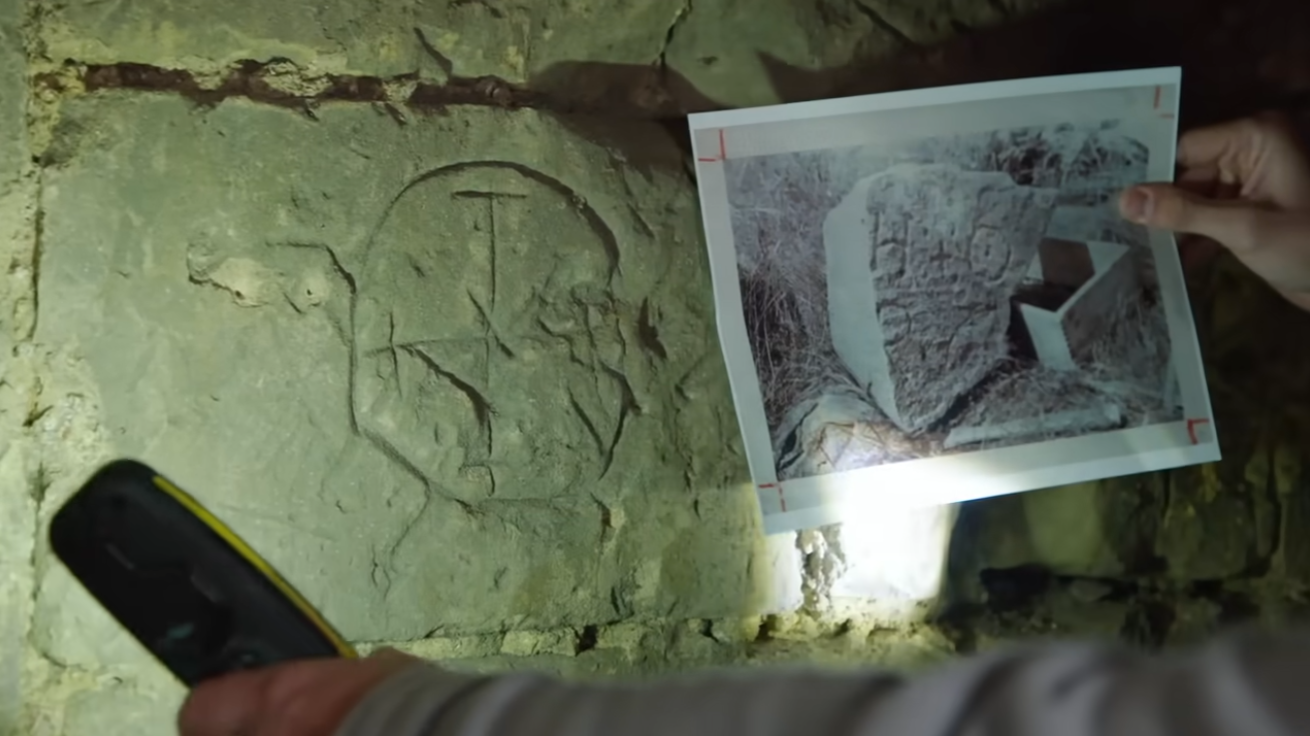
The discovery supports theories that fleeing Templars may have traveled north, through regions controlled by Norse descendants, seeking refuge and possibly transporting sacred treasures — including relics from Solomon’s Temple — across the Atlantic.
Viking Arrowhead May Connect Scandinavia to Oak Island
In Kerteminde, Denmark, museum curator Ane Jepsen Nyborg examined a medieval arrowhead recovered on Oak Island during the 1960s.
Her verdict was striking:
“This is absolutely something that belongs to a Nordic or Norse way of doing it.”
The arrowhead matched Viking-age examples dating as early as 800 AD and used through the 1200s — a period aligning with other medieval datings from Oak Island.
L’Anse aux Meadows Strengthens Transatlantic Theory
At the Viking settlement site of L’Anse aux Meadows in Newfoundland — the only confirmed Viking presence in North America — archaeologists told the Oak Island team that Norse explorers traveled far south during summer expeditions.


Evidence includes:
Butternuts found at the site — a species that only grows as far north as Nova Scotia and New Brunswick.
Saga records of a southern settlement called Hóp, still undiscovered but likely within the Maritime region.
Archaeologist Loretta Decker confirmed:
“They could have gone as far south as Oak Island.”
Material Evidence Also Aligns
Blacksmith Mark “Ragnar” Decker supplied bog ore samples — the same type of ore Vikings used for toolmaking — for comparison to Oak Island artifacts.
Initial XRF scans on the Oak Island arrowhead suggest a pre-1600s origin, consistent with Viking or early medieval craftsmanship.
A Growing Case for a Templar–Viking Alliance
The emerging evidence — symbols, artifacts, cross-continental travel patterns, and historical overlap — fuels a provocative hypothesis:
Templars, fleeing persecution in the 1300s, may have partnered with Norse navigators to carry religious treasure to North America.
Oak Island could have been one of their hidden destinations.
With new samples, fresh data, and a strengthened Old World trail, the Oak Island team prepares to reassess the mystery armed with some of the most compelling evidence in years.