The Curse of Oak Island Episode 14: Why “The Shining” Has Reignited the Mystery

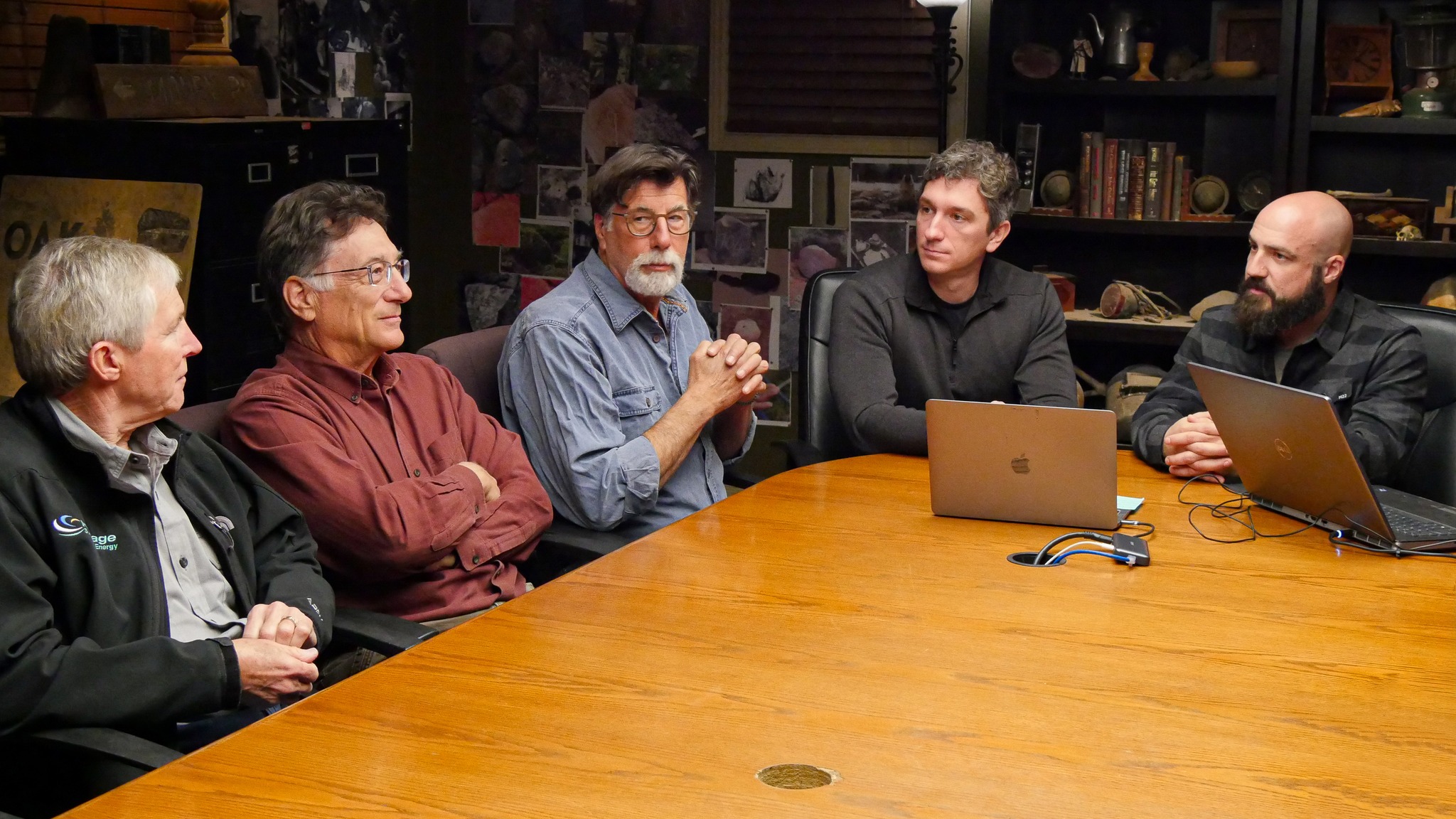
After more than a decade on air, The Curse of Oak Island has become known for its ability to stretch the smallest discovery into far-reaching speculation. Season 13, episode 14 — titled The Shining — leans heavily into that tradition, while also signalling a notable shift in focus that has caught the attention of long-time viewers.
The episode centres on Lot 8, an area that has quietly gained prominence throughout the season. What had once appeared to be a secondary location now emerges as a potential focal point, following the investigation of a massive boulder and what lies beneath it. According to the programme’s narration, the feature is described as “one of the most interesting on the island ever” — a striking claim on a site where nearly every find is presented as historically significant.
At the heart of the episode is a simple but consequential question: why is the boulder there? On Oak Island, coincidence is rarely accepted as an explanation. The team’s decision to lower cameras beneath the rock quickly reframes the investigation, with footage suggesting a deliberate subsurface feature rather than a natural formation.
As is often the case with Oak Island, the images are indistinct. Yet reactions from the team indicate that what they are seeing does not align with ordinary geology. The possibility of a constructed tunnel beneath the boulder introduces a new layer to the island’s long-running narrative.

The episode then broadens its scope, drawing connections between Lot 8 and other areas of the island — particularly the swamp. Investigators report that a cobble structure appears to be trending towards Lot 8, raising the possibility that previously isolated features may be part of a single, coordinated system.
If correct, this interpretation would represent a significant departure from earlier assumptions. Rather than a lone Money Pit, the island could contain multiple shafts, access points or vaults, engineered to misdirect and protect whatever lies beneath. Such a design would help explain why decades of drilling have repeatedly come close to answers without reaching a definitive conclusion.
The episode’s most discussed moment arrives when underground camera footage reveals a reflective surface. A member of the team remarks that it “looks like gold” — a phrase that seasoned viewers know carries more implication than confirmation. No material identification is offered, and alternative explanations remain plausible. However, the importance of the moment lies less in what the object is, and more in what it represents: the suggestion that something anomalous and possibly valuable exists beneath the boulder.

Reactions from Rick Lagina and Marty Lagina are notably restrained compared to earlier seasons. Years of inconclusive discoveries appear to have tempered expectations. Nevertheless, the tone of the episode implies that the team views this development as more substantial than many past leads.
What makes The Shining particularly effective is its narrative structure. Rather than promising immediate resolution, the episode connects multiple threads — Lot 8, the swamp, subsurface anomalies — into a single, unresolved question. It reframes the mystery not as a search for one hidden chamber, but as an attempt to understand a larger system.

From a storytelling perspective, the episode marks one of the more self-aware instalments in recent years. It acknowledges the audience’s scepticism while still delivering enough evidence to justify continued investigation. The result is an episode that feels less like repetition and more like recalibration.
Whether the boulder on Lot 8 conceals a significant structure, valuable material, or another carefully engineered distraction remains to be seen. What episode 14 achieves, however, is renewed momentum. Thirteen seasons in, The Curse of Oak Island once again positions itself not as a hunt nearing exhaustion, but as a mystery still capable of reshaping its own narrative.
For viewers, The Shining does not offer answers. Instead, it offers something arguably more compelling: the sense that the island may still be holding back its most important secrets.