
In a season filled with dramatic excavations and scientific analysis, the Lagina brothers and their team on The Curse of Oak Island wrapped up operations with a series of potentially game-changing discoveries that have reignited excitement over the 230-year-old treasure mystery.
The most tantalizing finds came from multiple sites across the island, including a 900-year-old stone well on Lot 26, the Money Pit area, Smith’s Cove, the swamp, and a mysterious round foundation on Lot 5.
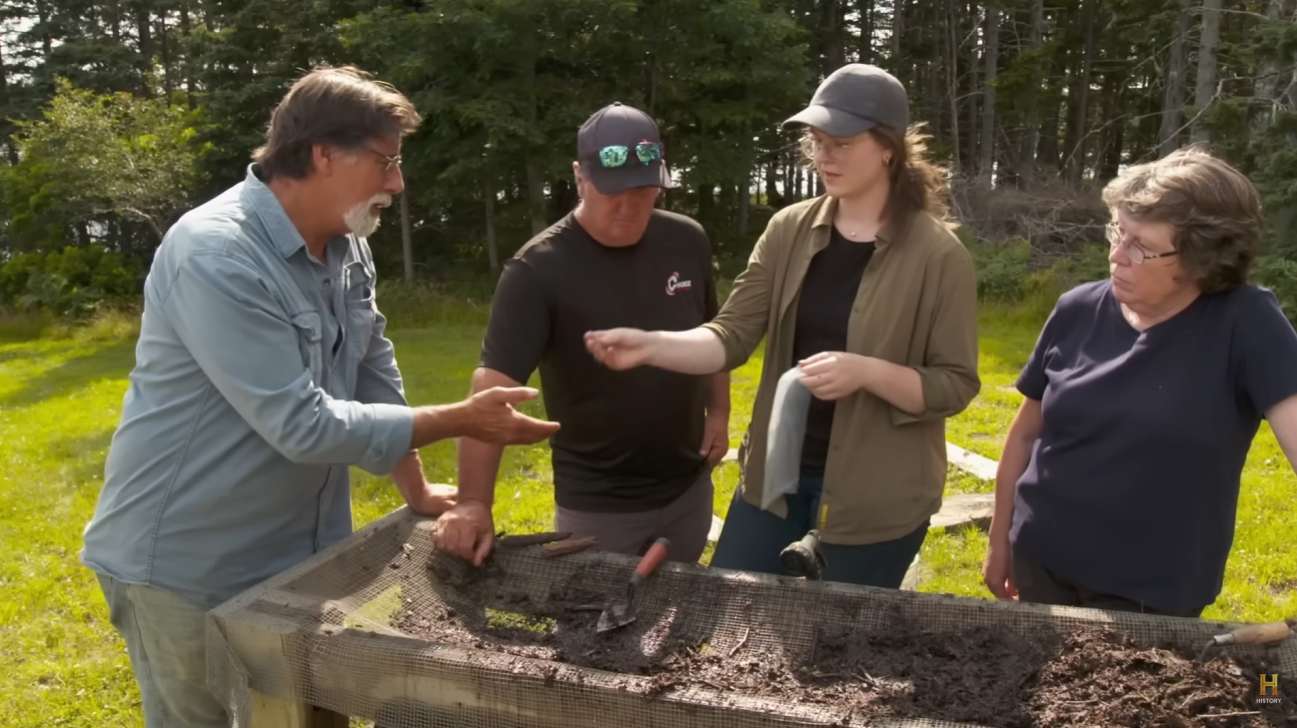
Lot 26 Stone Well Yields Pre-1800s Iron Artifact Archaeologists Laird Niven and Helen Sheldon, along with Jack Begley, pumped and sifted debris from the ancient well, which tested positive for elevated silver traces in its water. Among the spoils: a hand-wrought iron piece initially thought to be a nail but later identified by archaeometallurgist Emma Culligan as possibly a clench nail or tool fragment, likely dating to the 1700s based on its sulfur content and low-temperature forging characteristics.
Further analysis at Saint Mary’s University using a Scanning Electron Microscope (SEM) by Dr. Christa Brosseau confirmed no manganese—a marker for iron produced before 1840—aligning with earlier estimates of 1650s–1700s activity. Historian Peter Fornetti noted the find supports pre-1795 human presence on the island, far from the Money Pit.
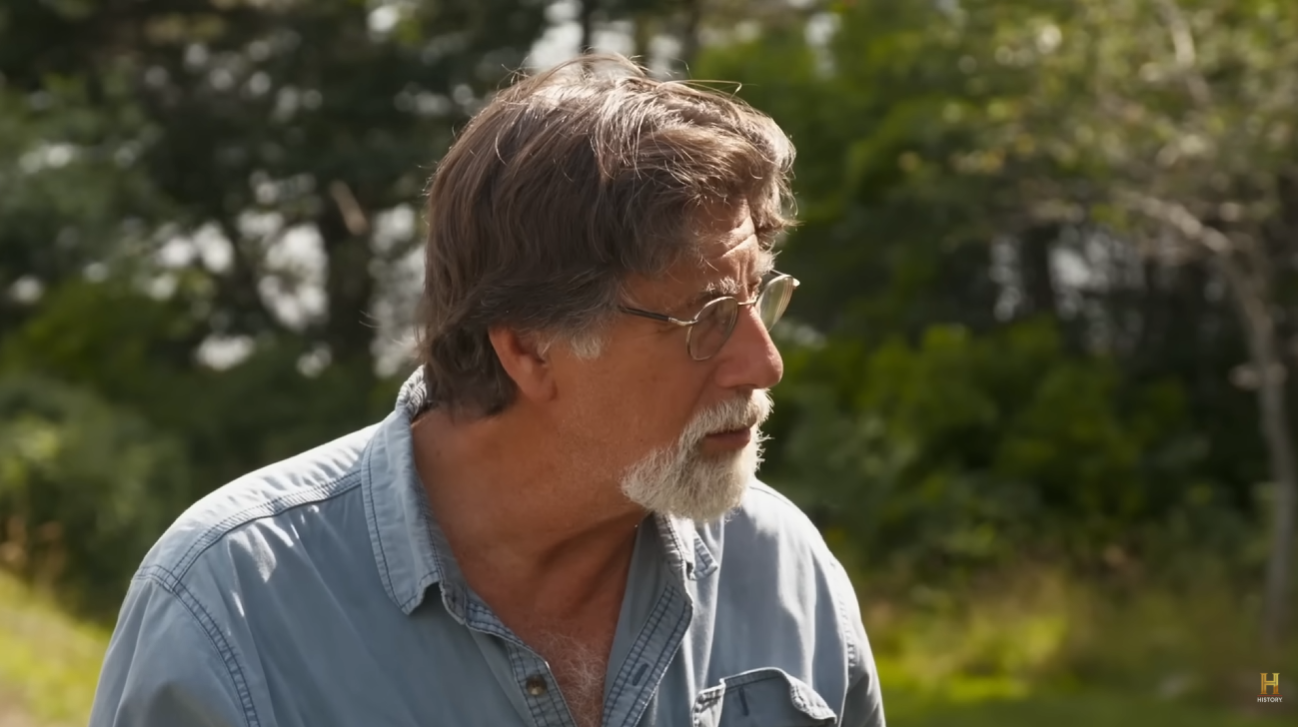
Money Pit Caissons Produce Early Tools In the Money Pit zone, the team’s final caisson (“TOT-1”) reached 195 feet and penetrated a large natural cavity. Metal detector sweeps of the spoils recovered fragments of pickaxe heads, one matching an earlier find that blacksmith Carmen Legge dated potentially to the 16th century. Culligan’s analysis placed similar iron tools in the early to mid-1700s, with charcoal-manufacturing signatures phased out by the mid-18th century.
Rick Lagina called the tools “proof that people were down there way before discovery,” lending credence to centuries-old legends of buried treasure.
Smith’s Cove: Coconut Fiber and Suspected Flood Tunnel At Smith’s Cove, excavation uncovered wooden structures and large quantities of coconut fiber—confirmed by geoscientist Dr. Ian Spooner as genuine. The fiber, historically used as a filter in the legendary box drains and flood tunnel system, was last reported in significant amounts during 19th-century searches. The team also documented a possible double-walled wooden tunnel at depth, braced and filled with rock, which experts described as “original work” predating modern search efforts.
Dendrochronology results are pending, but team members expressed confidence that positive dating could confirm the main flood tunnel responsible for thwarting treasure recovery since 1795.
Swamp Vault and Anthony Graves Connection? In the northern swamp, a stone pathway and a vault-like structure containing slate, brick, a wrought-iron crank handle, a hook, and a possible chest handle were unearthed. Metallurgy dated some pieces to the late 1700s—before recorded owner Anthony Graves (who reportedly found Spanish silver coins on the property in the 1850s)—while others fit the mid-1800s. Speculation centers on whether the feature served as a hidden cache or “safety deposit box.”
Lot 5 Round Foundation: 1700s French Paste Gem Archaeologist Fiona Steele’s ongoing excavation of a round stone foundation near the shoreline—linked to Money Pit soil via mortar—yielded a triangular hinge (possibly from a chest or box) and a high-lead “paste” glass gemstone. Analysis by Culligan and Laird Niven dated the simulated diamond-like jewel to the early–mid 1700s, coinciding with French jeweler Georg Friedrich Strass’s invention of artificial gems.
Marty Lagina suggested a possible tie to the 1746 Duc d’Anville expedition, implying “somebody of importance and wealth” was active on the site.
Season-End Reflection In an emotional War Room meeting, Rick Lagina fought back tears while thanking the team, saying, “It has been one of the greatest pleasures of my life to share this with all of you.” Marty Lagina praised the year’s haul of knowledge, despite no chest of gold, and noted the collapse into a solution channel may explain why earlier boreholes missed key areas.
Operations at Smith’s Cove will pause for cofferdam removal, but the team plans to resume next season with expanded honeycomb-style caisson work and further swamp investigation.
As Rick Lagina put it: “You just got to keep going.”
The Oak Island mystery, now more than two centuries old, appears far from solved—but the evidence uncovered this year has left experts and enthusiasts convinced that significant answers may lie just below the surface.