The Decline of The Curse of Oak Island: When the Search for Treasure Became a TV Formula


For over a decade, The Curse of Oak Island held viewers captivated with the promise of unraveling a centuries-old mystery, one that could unlock unimaginable treasures hidden beneath the island’s soil. The show was more than just a reality TV series—it was a televised lottery ticket. Viewers tuned in each week, drawn by the hope that Rick and Marty Lagina, two brothers from Michigan, could finally uncover what had eluded treasure hunters for over 220 years: the secrets of the Money Pit.
But as the seasons wore on, something changed. The momentum that once fueled the series began to wane, and the thrilling quest for treasure gradually became overshadowed by a repetitive formula that viewers could no longer ignore. Today, after 12 seasons, The Curse of Oak Island is less about discovery and more about keeping viewers hooked with increasingly far-fetched theories and formulaic drama. The question now is: how did TV’s biggest treasure hunt transform into its biggest running joke?
The Shift from Genuine Search to Manufactured Drama
In the early years, the Lagina brothers represented the audience’s curiosity—Rick as the passionate believer, Marty as the pragmatic skeptic. Their search for treasure felt real. The mud was genuine, the failures were painful, and the stakes were high. But somewhere between season 5 and season 8, the show’s format shifted. The treasure hunt became secondary to the need to stretch the show into a longer season.

By then, The Curse of Oak Island had found its infamous formula: a discovery (usually of wood or iron), inflated speculation linking the item to the Knights Templar or Vikings, a dramatic pause before a commercial break, and a letdown upon return, revealing the find was insignificant. This repetitive cycle eventually became an internet meme—“We have wood”—which once signaled a real discovery, but now symbolized nothing more than a dead end.
The formula became a mechanism to generate content, not uncover treasure. The show’s producers appeared more interested in creating suspense than delivering genuine findings. As a result, the mystery no longer captivated viewers; instead, it wore them down. The constant pattern of “possible treasure” followed by “nothing of significance” undermined the trust viewers once had in the show’s authenticity.
The Turning Point: Continuity Errors and Staged Discoveries
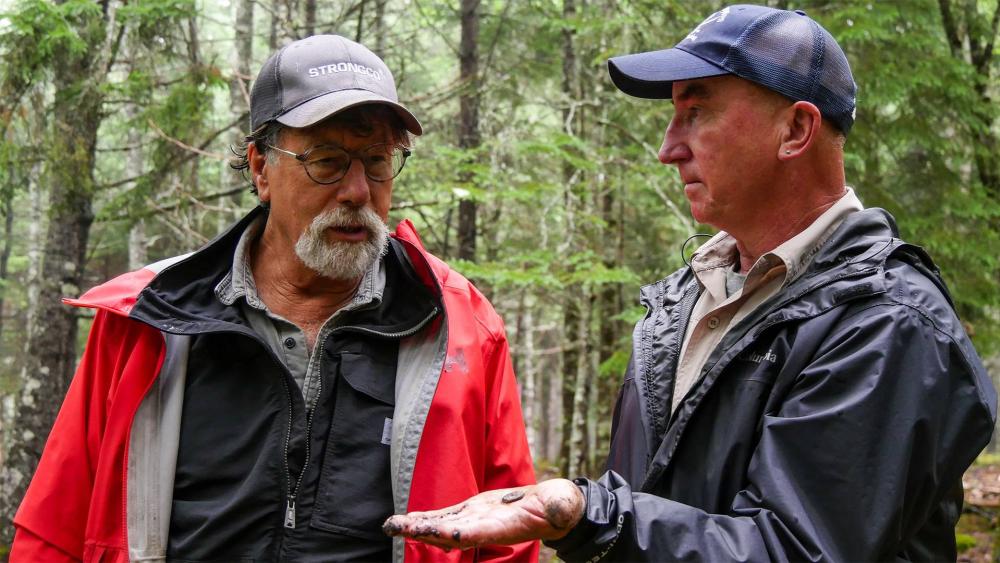
Season 12, Episode 11 was the moment that shattered the show’s credibility. During a sequence involving the discovery of a lead artifact in the swamp, sharp-eyed viewers noticed a continuity error that raised suspicions the scene was staged for the camera. In one shot, the artifact was held in a gloved hand, but in the reverse angle, the glove type changed and the artifact’s mud coverage inexplicably shifted. This was the smoking gun—viewers were no longer watching a documentary about discovery; they were witnessing a scripted drama.
The failure of the production team to address these discrepancies only made things worse. By not explaining the errors, The Curse of Oak Island tacitly admitted that much of what viewers were seeing wasn’t real. The mystery had been turned into entertainment, no longer about discovery but about creating moments for the cameras. The audience, once co-investigators in the search, became cynical witnesses, now watching to catch the show in the act of deception.
External Pressures and the Shift to Entertainment
It wasn’t just editing issues that hurt the show’s credibility. External pressures also played a role in the transformation of The Curse of Oak Island. The Nova Scotia government imposed stricter archaeological guidelines, which made the treasure hunt less about excavation and more about slow, methodical sifting. As these exciting digs became less frequent, the show pivoted away from the hunt for treasure and focused more on the personalities involved in the search. The introduction of Gary Drayton, the metal detection expert, marked a strategic move to pivot from engineering challenges to more entertainment-driven content. His catchphrases like “Bobby Dazzler” and “Top Pocket Find” became the brand, pushing forward entertainment rather than progress.
The show shifted from a legitimate treasure hunt to an ongoing reality series designed to maintain TV ratings and produce enough content to continue for years. The search for treasure, which had once been the show’s heartbeat, was now just a backdrop to the personalities and drama that kept viewers coming back.
The Diminishing Credibility and the Sunk Cost Fallacy
By the time The Curse of Oak Island reached its later seasons, the cracks in the show’s credibility were impossible to ignore. The rise of “hate-watching” communities, the repetitive storylines, and the questionable editing all pointed to a single conclusion: the show was no longer about solving a mystery—it was about maintaining a profitable franchise. Viewers had invested over a decade of time into watching the show, and now, the producers exploited this “sunk cost fallacy”—the psychological trap that keeps people watching because they feel emotionally invested, even when it’s clear that the payoff will never come.
Even Marty Lagina, once the skeptical voice of reason, had seemingly shifted from treasure hunter to producer. His once sharp skepticism softened, possibly due to the financial incentive to keep the show running. As the years passed, the search for treasure became secondary to the business of making the show.
A Business Model Built on Failure

Ultimately, The Curse of Oak Island became a business model in itself. The treasure hunt shifted from a genuine search to a carefully crafted narrative that could never end. The island, once shrouded in mystery, was now a lucrative tourist destination, complete with guided tours, a museum, and a gift shop. Finding the treasure would actually hurt the show’s bottom line—solving the mystery would mean the end of the business. The show became a content mine, a well-oiled machine that relied on speculation, excitement, and endless mysteries to keep the audience hooked.
In the end, The Curse of Oak Island did not fail because the treasure wasn’t there. It failed because it stopped respecting the intelligence of its audience. What began as an earnest attempt to solve a centuries-old mystery became an exercise in stalling. The tragedy of Oak Island is that the treasure was never the real focus—it was the ratings and the business that came from keeping the mystery alive.
The show’s fall from grace serves as a cautionary tale about the perils of turning a legitimate search for treasure into a cable TV franchise. The curse of Oak Island was never about ancient artifacts or pirate treasure. It was about a production cycle that wouldn’t let the mystery die, even when the search was over.