
Beneath the windswept trees of a small island off the coast of Nova Scotia lies a puzzle that has defied generations of explorers, engineers, and dreamers. Since 1795, Oak Island has lured countless treasure hunters with whispers of hidden gold, cryptic maps, and rumors of booby-trapped tunnels guarding a fortune that may never see daylight.
Now, more than two centuries since a teenage boy named Daniel McGinnis first found a strange depression in the ground — a simple hole that sparked a global legend — a startling new discovery has reignited hopes that Oak Island’s greatest secrets may finally come to light.
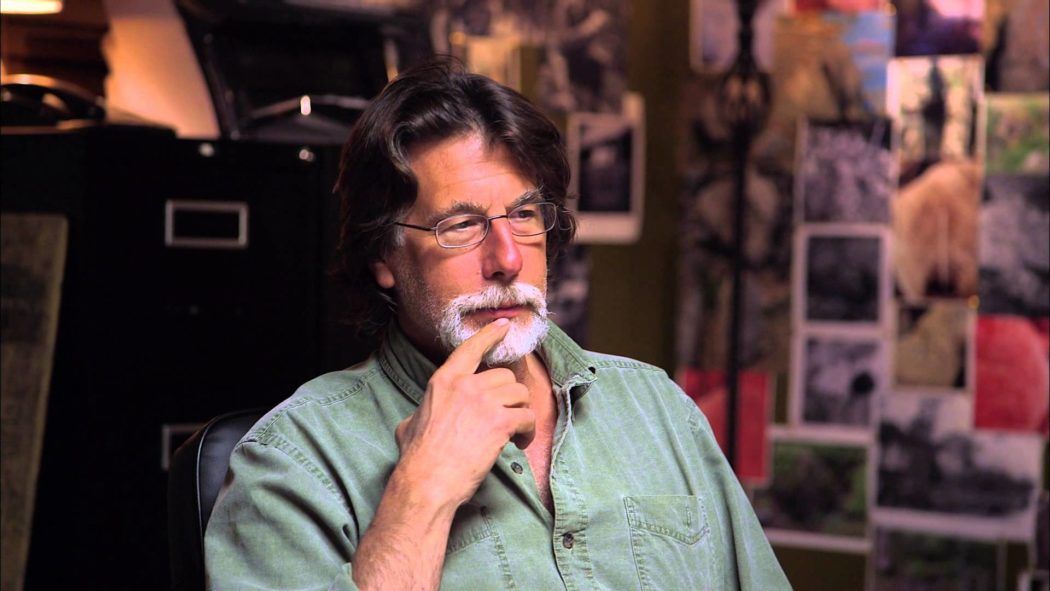
At the heart of the modern search are brothers Rick and Marty Lagina, whose painstaking efforts have turned The Curse of Oak Island into a reality TV phenomenon and brought fresh eyes — and cutting-edge technology — to a centuries-old obsession.

A Hatch Beneath the Bedrock
In recent months, the team announced one of their most tantalizing finds yet: a hidden hatch buried deep beneath the island’s surface, chiseled directly into solid bedrock — with unmistakable signs of human craftsmanship. “This hole’s been chiseled by humans, no other explanation,” Rick Lagina declared to cameras, as geologists confirmed that no natural process could account for such precision.
To some, it could be the elusive backdoor to the legendary Money Pit — the original shaft rumored to conceal pirate treasure, sacred artifacts, or both. For decades, explorers have discovered wooden platforms, old coins, and a mysterious lead cross deep below ground, only to be thwarted by flood tunnels that swallow every effort with icy seawater.
But the hatch could change everything. If it bypasses the ancient flood traps, it might just lead straight to what so many have sacrificed health, fortune, and years of their lives to find.

Ancient Maps and Templar Clues
Yet the hatch is only part of the puzzle. Before her death, researcher Zena Halpern stunned the team with two ancient maps that could radically rewrite Oak Island’s known history.
One map, marked in Roman numerals and dated 1179, pinpoints Oak Island’s coordinates long before Columbus ever crossed the Atlantic. A cryptic mark labeled rodent overlays the island — a possible link to New Ross, a nearby site steeped in legends of Scottish knight Henry Sinclair’s voyage to North America in 1398.
The second map, from 1347, penned in French, describes features eerily similar to Oak Island’s actual topography, including references to a basin and dam and a place named Oak Inura, rumored to be a treasure site. Mysterious words like anchors and valve hint at hidden engineering that may lie beneath layers of soil and secrecy.
Gathered in a dim room, the team pored over these yellowed parchments, their eyes reflecting the flickering hope that centuries-old secrets might be cracked open by fragile lines of ink.
Strange Lights and Sacred Symbols
The mystery doesn’t end with maps and tunnels. Over the years, the island has been a magnet for strange phenomena — unexplained lights drifting above the treetops, symbols carved into stone, and cryptic alignments hidden in plain sight.
One of Oak Island’s most confounding landmarks is Nolan’s Cross — an arrangement of five massive cone-shaped granite boulders discovered by treasure hunter Fred Nolan in 1981. Some dismiss it as a geological fluke, but others believe it’s an ancient marker — perhaps even the Tree of Life symbol linked to Templar lore.
One of these stones is polished smooth, unlike any weathered granite found naturally on the island. For seasoned stonemasons like Mark Fer and Mike Welling, the craftsmanship suggests deliberate human hands at work — and a message from a time long forgotten.
Connecting the Dots
Adding to the intrigue, the team recently investigated a carved stone near Overton, nearly 150 miles away. The boulder, etched with what appears to be a human face staring out to sea, is believed by researcher Terry Deveau to be man-made — a signpost pointing toward a possible network of hidden sites along Nova Scotia’s rugged coast.
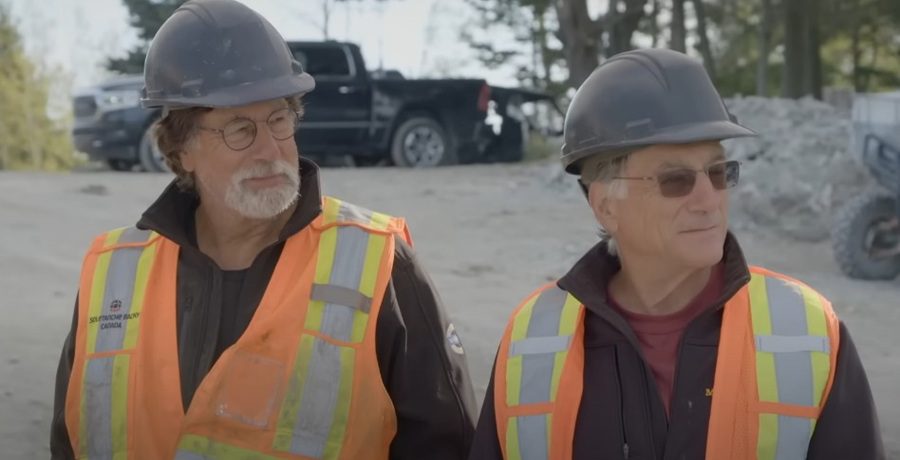
Meanwhile, deep underground, the Laginas’ crew struck a possible breakthrough when they unearthed an ancient wooden structure beneath layers of earth and rock. Backed by historical records, this find — near where previous explorers like Melbourne Chappell once dug — fuels speculation that the original Money Pit vault may be closer than ever before.
Yet even as excitement builds, so does caution. Rick Lagina remains adamant that the team proceed with care, mindful of Oak Island’s archaeological and cultural value. Permits, conservation rules, and the lessons of past failures weigh heavily on their minds.
A Legacy of Obsession
They are not alone in their respect for the island’s story. The late Dan Blankenship, a legendary Oak Island hunter, spent nearly half a century digging, mapping, and preserving a treasure trove of maps, diaries, and artifacts. His basement became a shrine to the dream that the island’s puzzle could — must — be solved.
But the Laginas understand what many before them did not: to rush is to ruin the very thing they hope to find. As Marty Lagina once put it, “You cross a line, you get spanked. It’s just the way it is.”
The Next Chapter
So what lies beneath that newly discovered hatch? A hidden tunnel leading to pirate gold? A Templar vault untouched for 700 years? Or will the island’s maze of booby traps, fake shafts, and centuries-old red herrings claim yet another generation of seekers?
For now, the hatch remains sealed beneath layers of earth and mystery — a portal into the unknown that promises glory, ruin, or both. As the Laginas weigh their next move, the world watches, waits, and wonders:
Will Oak Island finally yield its secret? Or will its curse claim yet another chapter in the world’s longest-running treasure hunt?
One thing’s certain: as long as there are clues to chase and stories to tell, the dig goes on.
