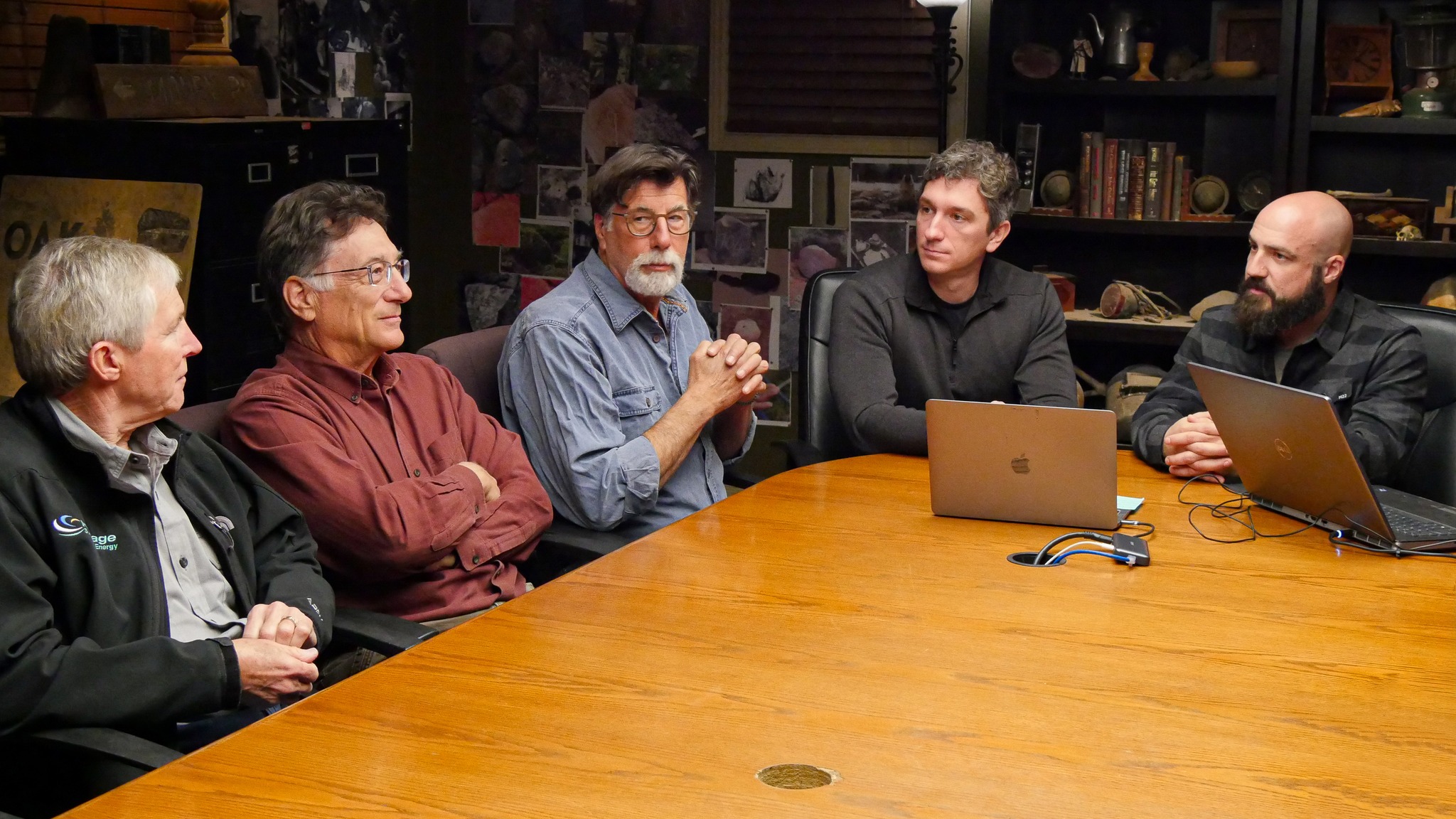
The final episode of The Curse of Oak Island Season 8, titled “The Silver Spooner,” marked a pivotal moment in the long-running search for answers beneath the island’s soil, bringing together scientific data, archaeological discoveries, and theories that would influence every season that followed.
Broadcast in May 2021, the episode served as both a conclusion to a pandemic-shortened season and a foundation for future investigations, particularly around the Money Pit area — the heart of the island’s 230-year mystery.
Scientific Findings Spark New Momentum
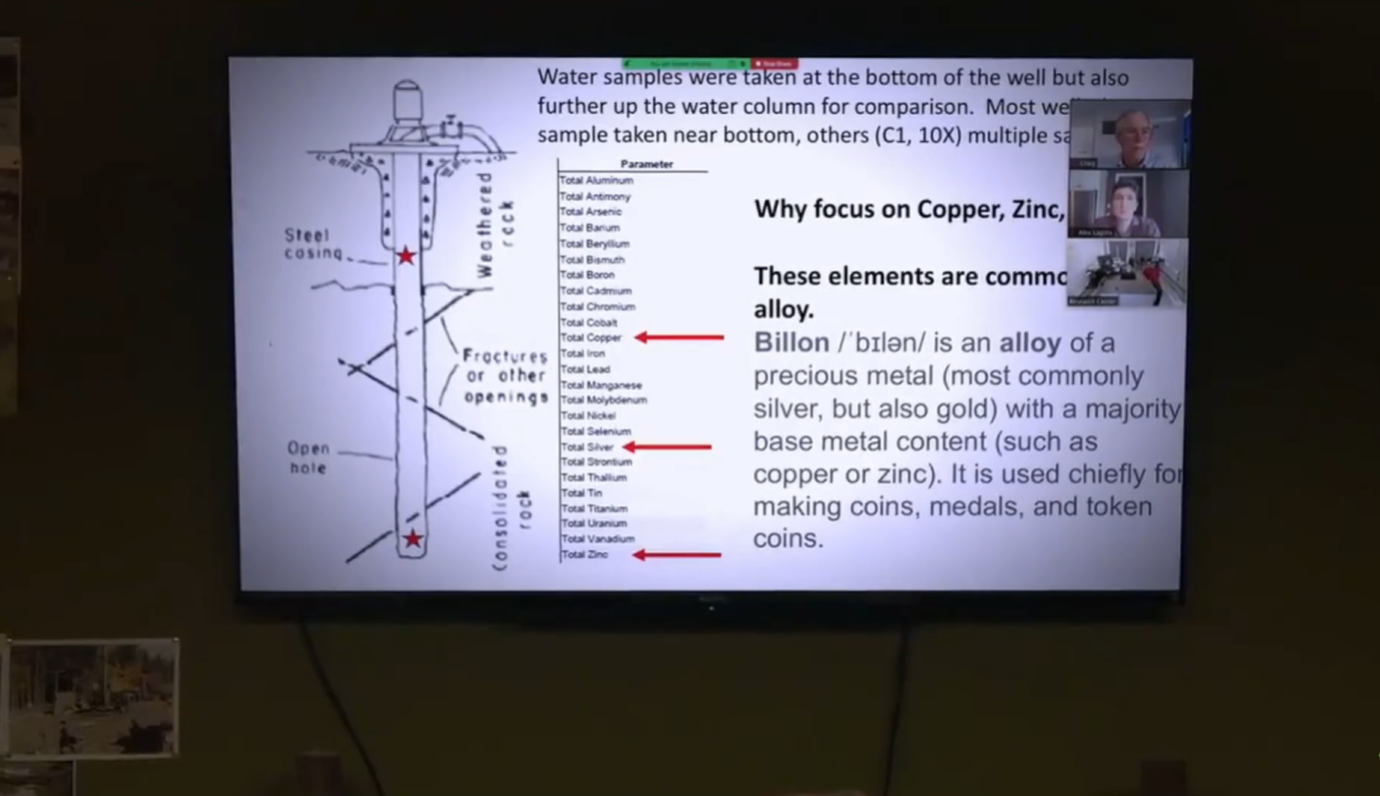
The episode opened in the war room, where Dr Ian Spooner and Dr Matt Lukeman presented water testing results from beneath the Money Pit. Their findings suggested unusually high concentrations of precious metals, including silver, along with alloy elements such as copper and zinc — materials commonly associated with coin minting.
Dr Spooner described the metal content as extraordinary, noting that such concentrations were rare in Nova Scotia and unlike anything he had previously encountered. He estimated the volume of metal detected could be enough to fill the war room itself.
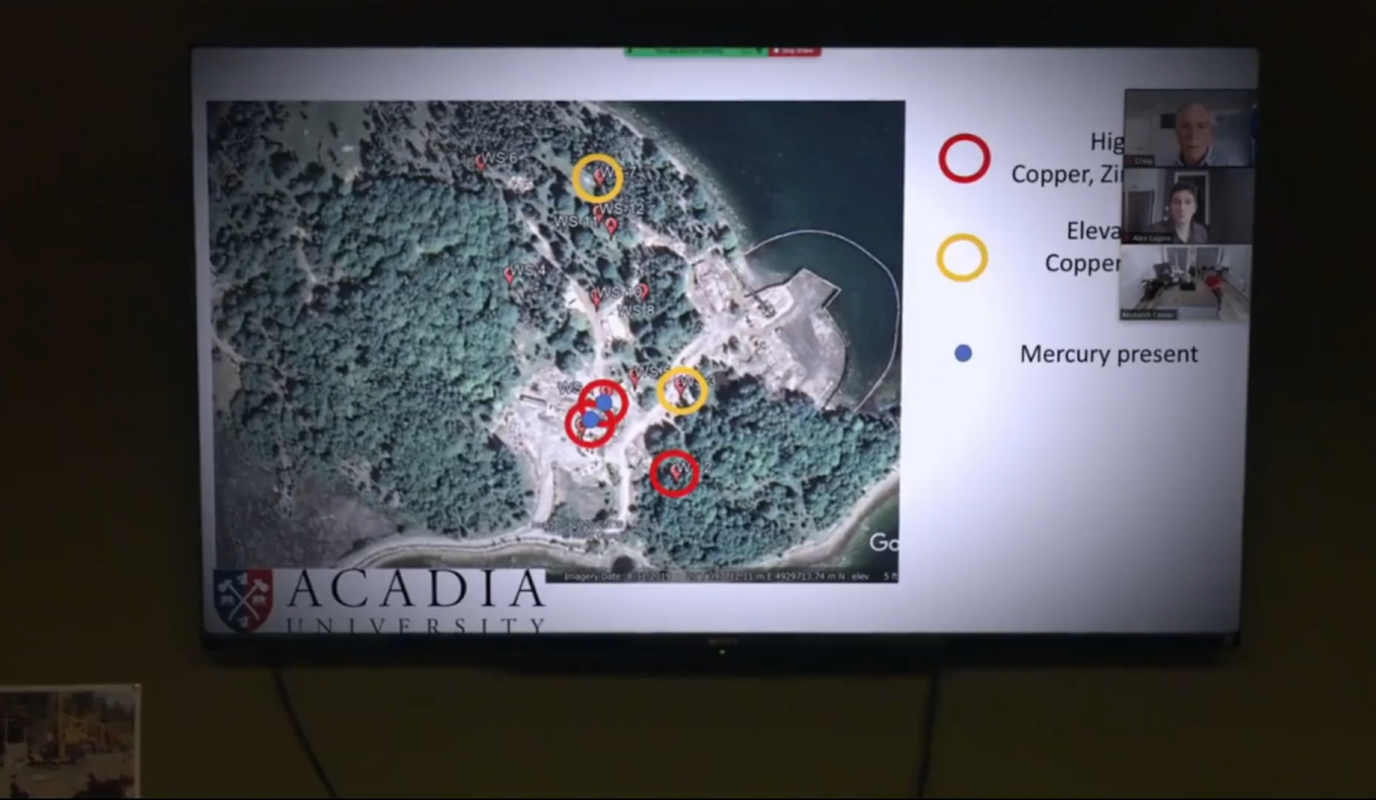
Mercury was also identified in the water samples, raising further questions. Historically, mercury has been linked to precious metal processing, particularly in older mining and refining techniques. The scientists ruled out natural geological explanations, strengthening the case for human activity deep underground.
Marty Lagina described the results as the most significant development in the Money Pit search since the team arrived on the island.
Roads, Artifacts, and Evidence of Multiple Eras
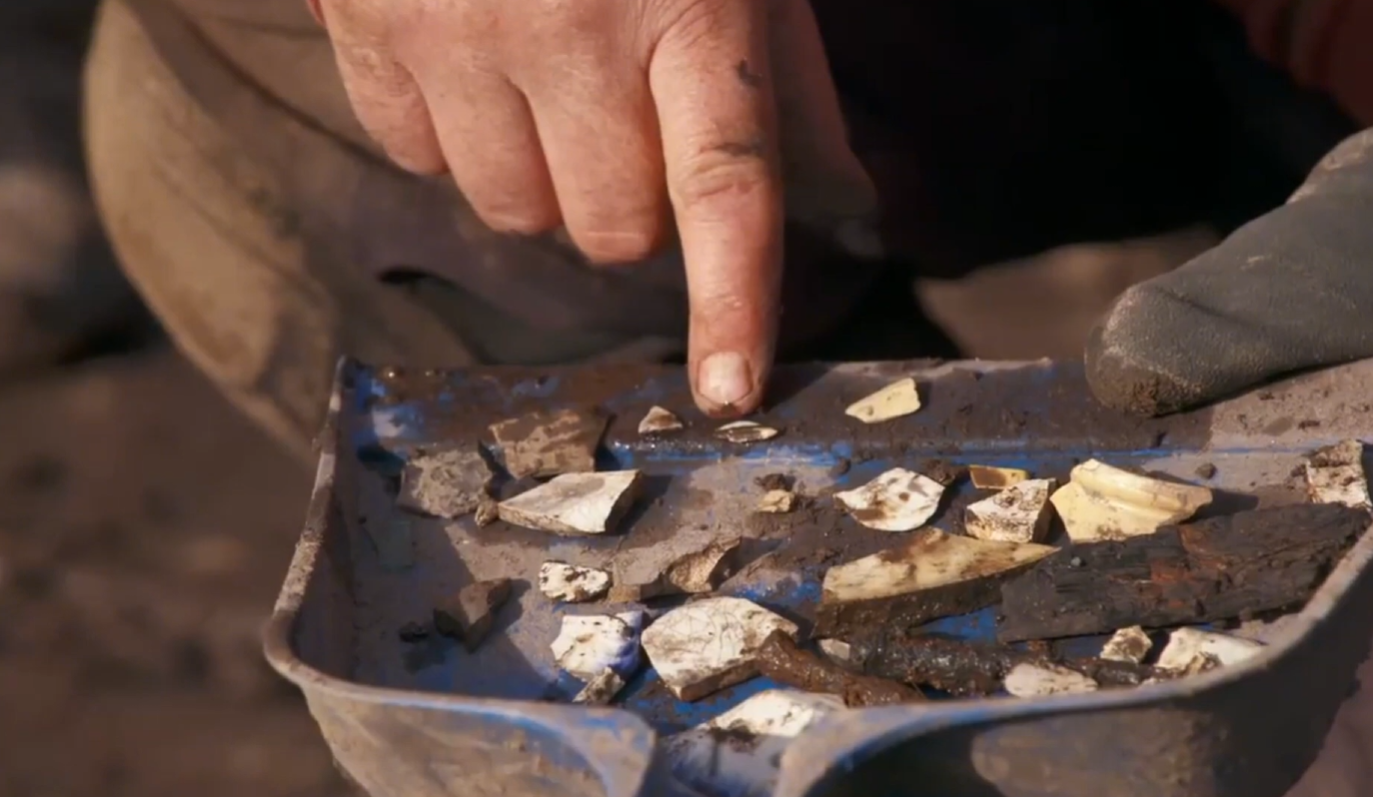
Elsewhere on the island, excavation work continued to uncover signs of extensive historical activity. Along the swamp, archaeologists revealed more of the stone roadway, while pottery fragments recovered nearby were identified as creamware and annular ware, dating back to the mid-18th century.
Metal detection efforts added to the intrigue. A copper trade weight engraved with the number five was confirmed to weigh approximately one-tenth of a pound, closely matching known European weights used for precious metals. Nearby discoveries included a lead bag seal dating as far back as the 1300s and wooden structures possibly linked to ship fittings.
In the uplands east of the swamp, archaeologists uncovered burn layers and slag near the stone path, prompting speculation that a forge may once have operated there — an indication of industrial-scale activity rather than casual settlement.
Dr Aaron Taylor later suggested that the island showed signs of at least three, possibly four, distinct periods of occupation and construction.
Samuel Ball and the Question of Wealth
On Lot 25, excavations at the Samuel Ball property continued to raise questions about how a former enslaved man turned cabbage farmer became one of Nova Scotia’s wealthiest landowners in a relatively short time.
Finds from earlier in the season, including a British naval officer’s button and large structural remains, hinted at Ball’s possible connections to larger operations on the island. While no direct evidence of treasure was found at the site, the scale of the property reinforced theories that Ball may have been linked — directly or indirectly — to activities tied to the Money Pit.
A Season That Changed the Search
As snow fell and the team gathered for the final war room meeting, Rick Lagina reflected on what had been achieved despite the challenges of COVID-19 restrictions. The season confirmed that the swamp was man-made, supported long-standing theories proposed by the late Fred Nolan, and revealed a complex logistical network of roads and structures likely built before excavation began at the Money Pit.
By the end of Season 8, more than 700 artifacts had been catalogued — double the number recovered the previous year. Crucially, follow-up testing in later seasons would confirm that precious metal signals beneath the Money Pit persisted, suggesting the source had not been exhausted or disturbed.
While “The Silver Spooner” did not deliver a definitive treasure reveal, it reframed the hunt. The episode marked the moment when speculation gave way to measurable data — and when Oak Island’s mystery began to look less like legend and more like an unfinished operation still waiting underground.