BREAKTHROUGH AT SMITH’S COVE: OAK ISLAND TEAM UNCOVERS POSSIBLE FLOOD TUNNEL AND COCONUT FIBER
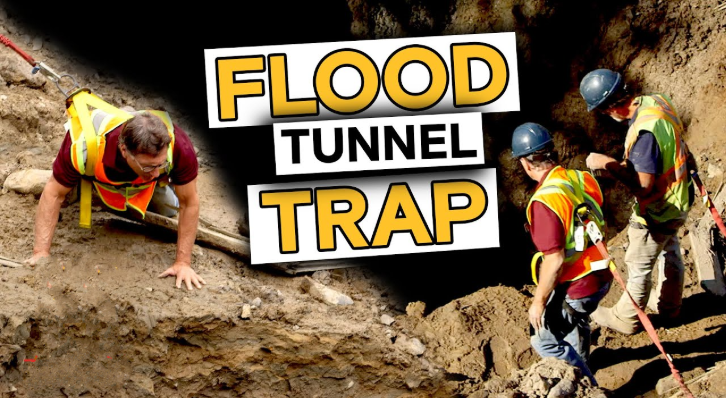
“We Might Have Just Hit the Original Booby Trap.”
In a dramatic twist that could rewrite Oak Island’s centuries-old mystery, the team led by Rick and Marty Lagina may have uncovered the elusive main flood tunnel—a booby-trapped system believed to guard the fabled Money Pit.
For over two centuries, treasure hunters have chased legends of hidden riches buried deep beneath Oak Island, Nova Scotia. One of the key obstacles? A complex flood tunnel system, designed to fill the pit with seawater the moment anyone got close.
But now, after a daring excavation near Smith’s Cove, the team believes they may have cut straight through it.
A Slit in the Earth… and Something Strange Beneath
As excavator Billy Gerhardt and the crew peeled away layers of earth, they discovered something that looked more than just soil and rock—it looked like structure.
“There’s wood on the left, and it looks like a tunnel to me,” one crewmember exclaimed.
The site was deemed too unstable for direct access. Instead, a camera was mounted to the excavator arm and carefully lowered into the void. What they saw stunned them.
“There’s definitely structure on the left wall… it’s braced with wood.”
It wasn’t just a random collapse. The wooden framing—double-walled and aligned—suggested deliberate construction.
Could It Be the Flood Tunnel?
In the war room, the team reviewed the footage. Speculation ran high.
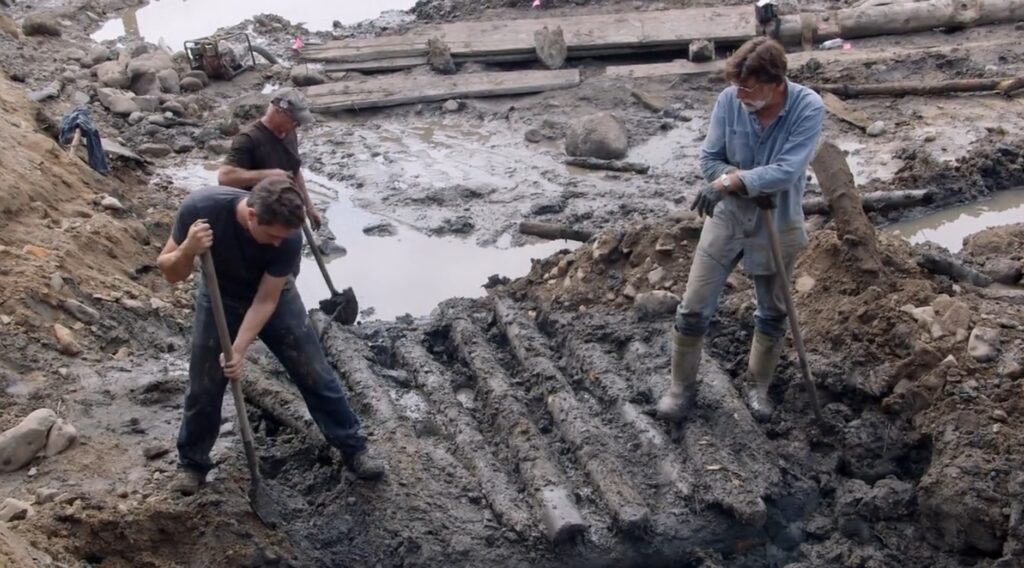
“That looks like a tunnel to me,” said Marty Lagina. “It goes in there. You followed wood the whole way down.”
Measurements showed the boards were thick and purposeful. And if dendrochronology testing dates the wood prior to the 1795 Money Pit discovery, the implications are profound.
“If it comes back old, it almost has to be original works,” Rick noted.
But excitement was quickly met with a sobering reality. A timeline to remove the massive steel cofferdam around Smith’s Cove was imminent. Work in the area would be suspended for the rest of the season.
Then… A Discovery Unlike Any Other
Just as the team prepared to pause operations, another shocking find emerged: clumps of coconut fiber.
“Is this coconut fiber?” Rick asked, examining the hair-like substance.
Coconut fiber has long been part of Oak Island lore. Found in 1804 deep within the original Money Pit, and again in 1850 during the discovery of the five stone box drains, it was believed to be used as a filtration system for the flood tunnel.
And now—nearly two centuries later—it has surfaced again.
Confirmed: It Is Coconut Fiber
Geoscientist Dr. Ian Spooner delivered the verdict via conference call: the material was definitively identified as coconut fiber.
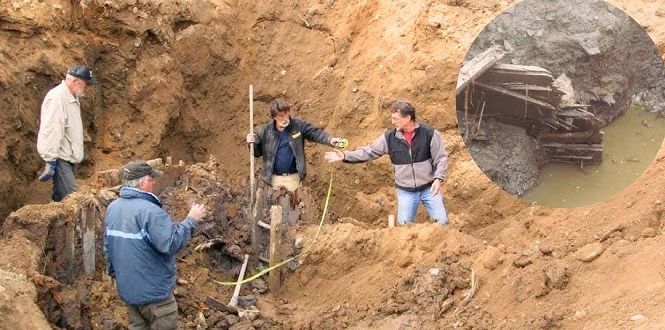
“Wow, that’s fabulous,” Marty reacted.
“We’ve found lots of structures, but this one has coconut fiber—and that’s the key difference.”
Why is that important?
Because coconut trees don’t grow anywhere near Nova Scotia—the nearest source is over 1,500 miles away. Its presence here is strong evidence of deliberate placement by someone with resources, knowledge, and a plan.
“This Represents Original Work.”
“It’s confirmation of the old stories,” Rick stated.
“Tremendous amounts of coconut fiber were said to have been found while searching for the box drains. And no one else would have put that there.”
The team believes they’re finally closing in on original 18th-century engineering—not searcher tunnels, not collapsed shafts, but the actual defensive structure designed to protect something valuable.
Where Do They Go From Here?
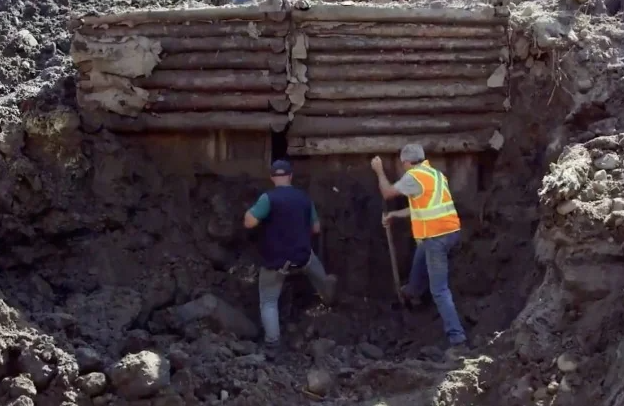
With work at Smith’s Cove forced to pause and the clock ticking, the team’s focus now turns to analyzing the wood and coconut fiber samples. If carbon dating places them in the right historical window—the mystery of Oak Island may finally be on the verge of being solved.
“We’re certainly finding what people were originally looking for,” Marty said.
“I think we’re absolutely closing in.”
And with that… the dig continues.
