Tunnel Discovery Beneath Garden Shaft Offers New Clues in Oak Island Treasure Hunt


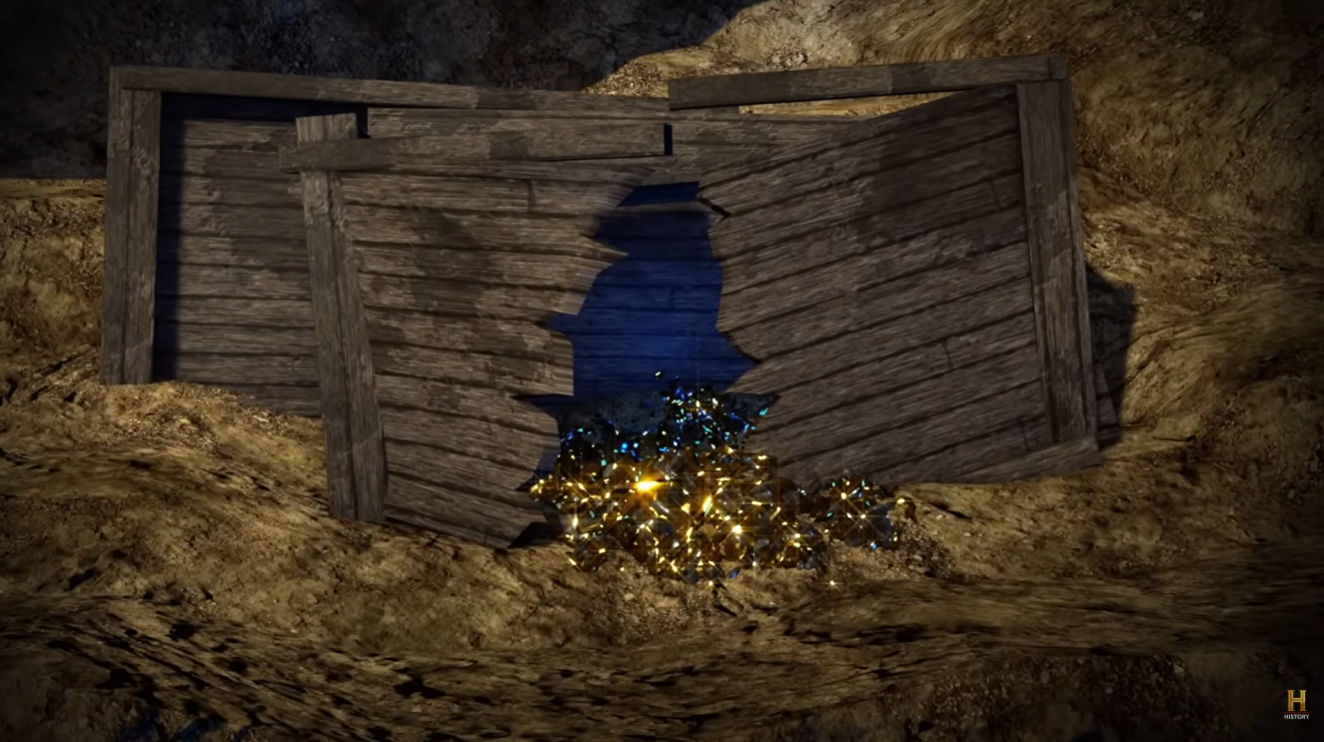
A significant moment unfolded on Oak Island as Rick Lagina and members of the exploration team descended into the Garden Shaft and encountered what may be one of the most compelling structural discoveries in recent seasons of the long-running treasure investigation.
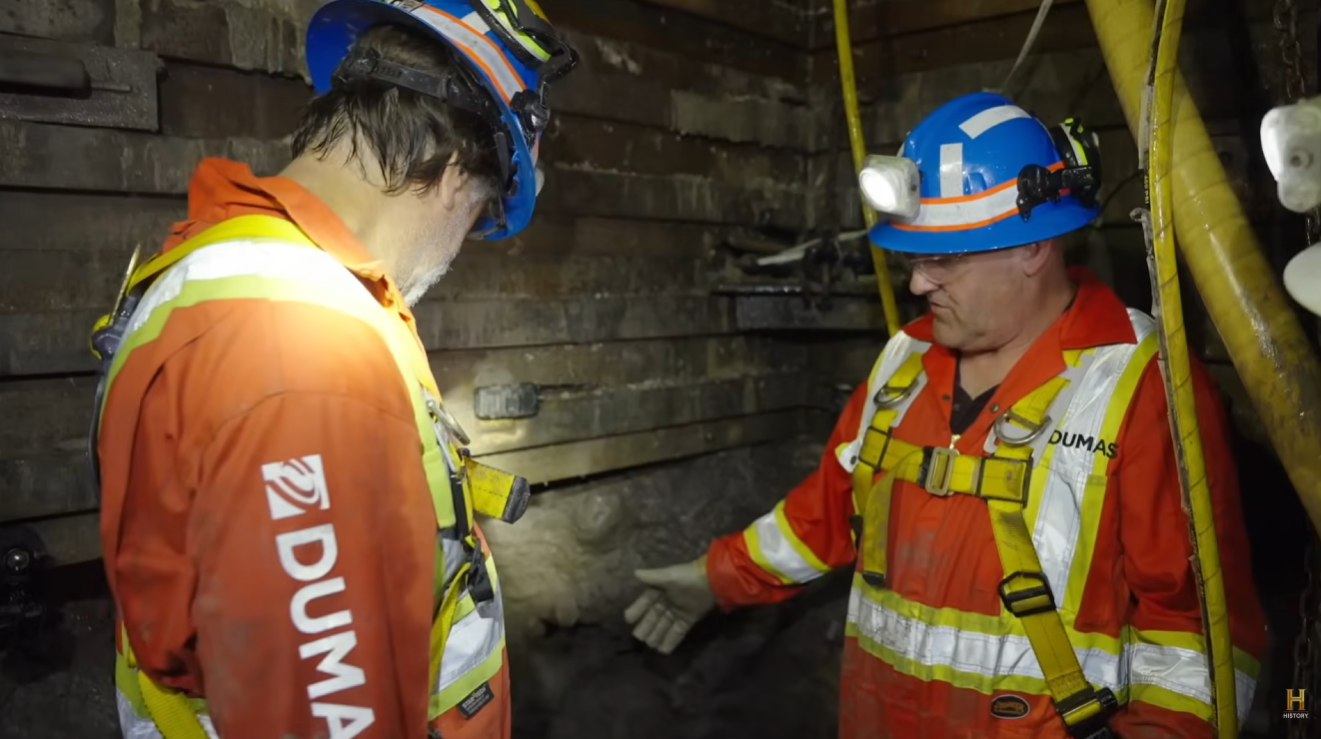
The moment came after engineers working near the Money Pit alerted the team that a large portion of a previously suspected tunnel had been exposed nearly 100 feet below ground. As Rick Lagina carefully climbed down a ladder to inspect the structure, the team quickly realised they were looking at something far more substantial than a routine underground feature.
Massive wooden beams were visible inside the tunnel walls, each uniquely shaped and clearly hand-worked.
Scott Barlow, one of the engineers assisting with the inspection, immediately pointed out the unusual nature of the timbers.
“No two are the same,” he noted as the team examined the exposed structure.
For Rick Lagina, the discovery represented something deeply meaningful after years of searching.
“To get down there and realise that the tunnel is not just an interpretation but something real — that gives you chills,” he said while studying the construction.
Evidence Dating Back to the 17th Century
The discovery becomes even more intriguing when viewed alongside earlier scientific analysis. During a previous drilling operation, the team retrieved wood samples from the same tunnel area and submitted them for carbon dating.
The results suggested the timber originated in the 17th century.
If confirmed, the finding could place the construction of the tunnel within a period long associated with some of Oak Island’s earliest treasure theories.
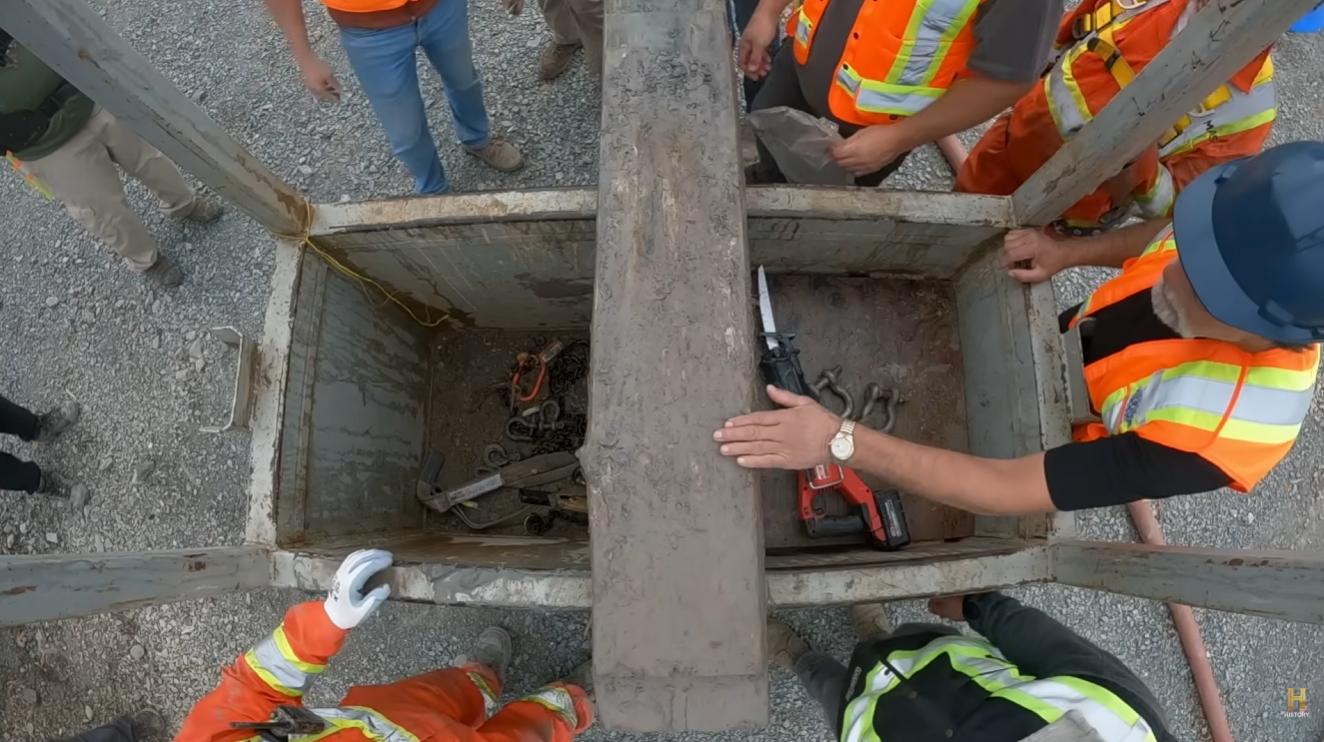
To verify the age and purpose of the structure, the team plans to remove several of the massive beams for laboratory analysis.
Rick emphasised the importance of gathering as much information as possible.
“The whole idea of what happened in the Money Pit is about building a timeline,” he explained. “Samples from these timbers may help us understand when this work was carried out.”
Ancient Tool Marks Raise Further Questions
Closer inspection of one beam revealed another intriguing detail. The wood appeared to have been shaped using an adze — a traditional cutting tool used for shaping timber in shipbuilding and early construction.
The adze dates back thousands of years and remained common until mechanised tools replaced it during the 18th century.
Charles Barkhouse noted the distinctive marks on the wood.
“That’s adze-cut,” he said, confirming the tool marks visible on the timber surface.
The presence of such craftsmanship suggests the tunnel may have been built using methods common in early maritime engineering, raising the possibility that experienced shipbuilders or skilled craftsmen were involved in the construction.
For Rick Lagina, holding the timber was a powerful moment.
“This is real history,” he said. “You can almost picture someone down here cutting that wood and building a tunnel to go somewhere.”
Metal Artifacts Discovered Nearby
While engineers prepared to extract timber samples, metal-detection expert Gary Drayton began scanning the surrounding soil.
His equipment quickly picked up signals.
Moments later, Gary uncovered a small metal object whose composition was not immediately clear.
“It’s definitely metal,” he explained, noting that it did not react like iron. The artifact will now be sent for laboratory analysis in hopes it can reveal more about the tunnel’s construction.
A second metal object was also recovered shortly afterward. Its flat edge and unusual shape led the team to suspect it may have been used as part of the tunnel structure itself.
If confirmed, the artifacts could help date the construction and provide insight into the engineering methods used.
Additional Finds on Other Parts of the Island
Elsewhere on Oak Island, Rick Lagina and Gary Drayton continued their investigation across nearby properties, including Lot 21 — land associated with early island settler Daniel McGinnis, one of the original discoverers of the Money Pit in 1795.
While scanning the area near the remains of McGinnis’s former property, Gary detected another signal buried just inches below the surface.
What emerged from the soil surprised everyone.
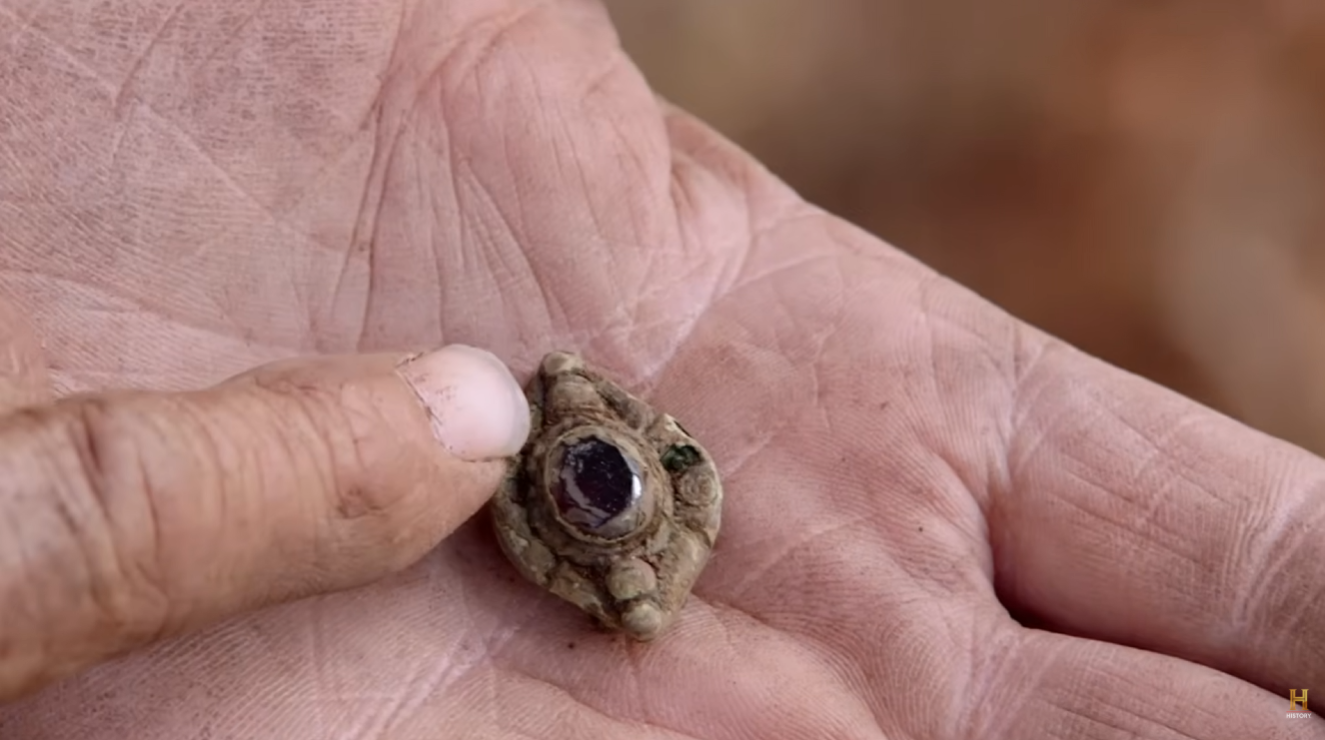
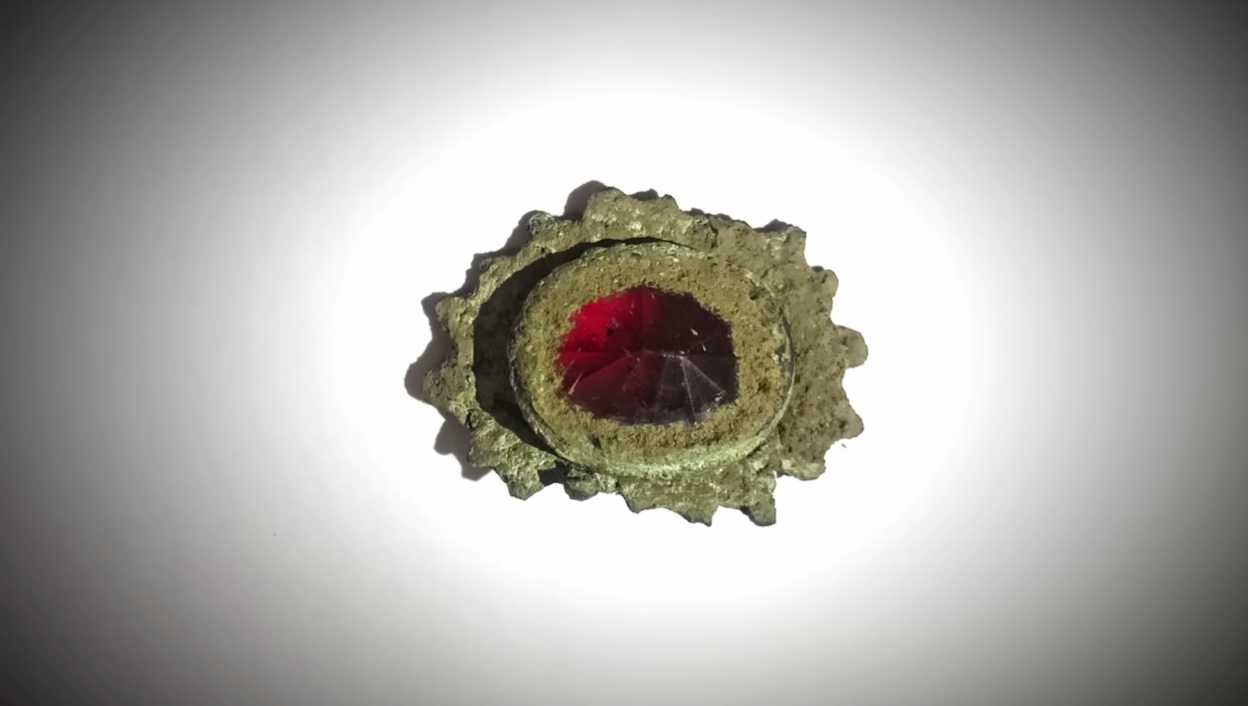
The object appeared to be an ornate brooch featuring a red stone set within decorative metalwork.
Its craftsmanship suggests it may be far older than many previous discoveries made outside the Money Pit area.
“If it predates searcher activity, it’s an excellent find,” Rick said while examining the piece.
The brooch will undergo further analysis to determine its age and possible origin.
Possible Evidence in the Oak Island Swamp
The team also continued work in the island’s mysterious swamp, where several discoveries in recent years have suggested the presence of ancient maritime activity.
During excavation, Billy Gerhardt uncovered curved wooden fragments that appear to be part of a small vessel component — possibly runners used to protect a boat’s hull when dragged onto shore.
Nearby, workers revealed additional wooden boards arranged vertically and horizontally in what could be the remains of a buried structure.
Some team members believe the feature could be related to a wooden dam reportedly discovered decades earlier by former Oak Island landowner Fred Nolan, who theorised the swamp itself may have been artificially created.
Geoscientist Dr Ian Spooner examined the feature and suggested the surrounding sediment could help determine its age.
“If the red sediment from beneath the stone road appears around this structure, it may indicate it dates back to the same period,” Spooner explained.
A Potential Turning Point
While definitive conclusions remain elusive, the combination of the tunnel discovery, ancient tool marks, metal artifacts, and additional finds across the island is fueling renewed optimism among the team.
For Rick Lagina, the discovery beneath the Garden Shaft represents one of the most important structural confirmations the project has seen.
“This recovery of the timbers could be a pivotal moment,” he said.
After years of drilling, excavation, and setbacks, the newly exposed tunnel may finally bring the Oak Island team closer to understanding what lies hidden beneath the island — and who built the mysterious structures centuries ago.