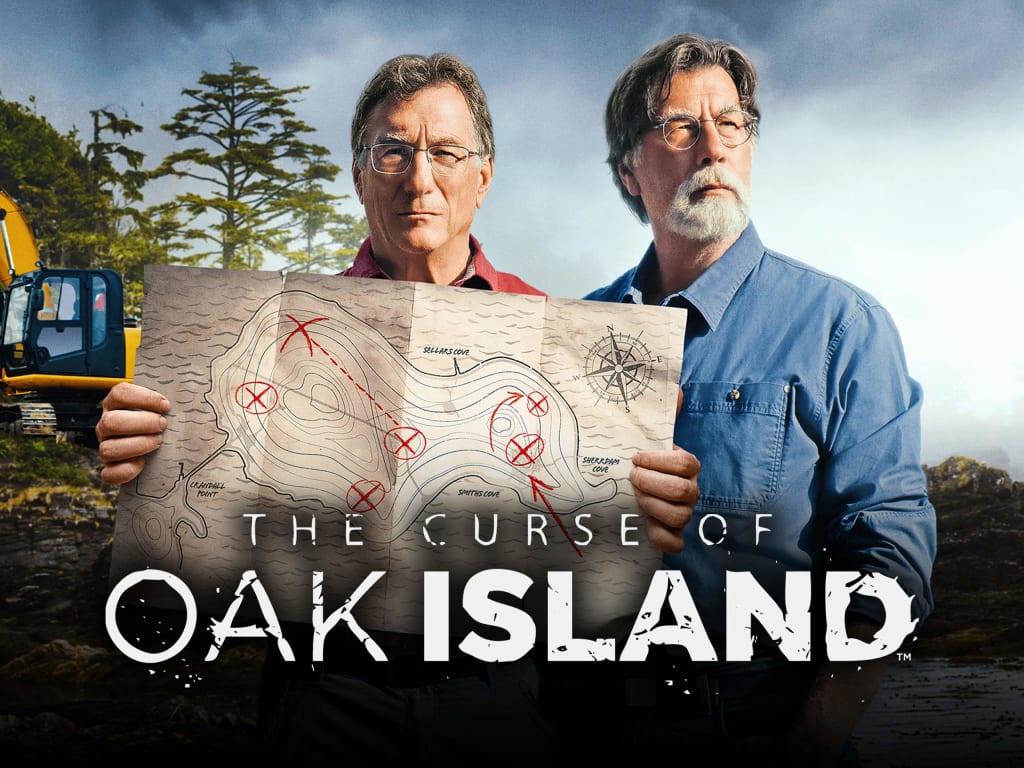
Few reality-documentary series have sustained attention as long as The Curse of Oak Island, yet few have generated such persistent disagreement among viewers. After more than a decade on air, the programme remains a ratings success while simultaneously attracting criticism from those who feel its central mystery has been stretched beyond credibility. This divide is rooted not in a single controversy, but in how different audiences interpret the show’s purpose, pace and claims.
At its core, the series follows Rick and Marty Lagina’s methodical attempt to investigate a legend that dates back more than two centuries. Supporters argue that the show reflects the reality of long-term exploration: progress is incremental, setbacks are common and definitive answers are rare. From this perspective, each artifact, scan anomaly or historical document represents a legitimate data point in a complex investigation. Fans in this camp see value in the process itself, even if no dramatic “treasure reveal” occurs.
Critics, however, view the same material very differently. They point to repeated moments of heightened anticipation—dramatic narration, suggestive editing and cliff-hanger endings—that often lead to limited or inconclusive outcomes. For these viewers, the issue is not the absence of treasure, but the sense that minor discoveries are routinely framed as major breakthroughs. Over time, this has led to accusations that the series prioritises suspense over resolution, reinforcing the perception that the mystery is being prolonged to sustain the programme rather than solved.

Another fault line lies in the show’s blending of disciplines. Oak Island regularly combines established archaeological methods and modern scanning technology with speculative historical theories. For some viewers, this interdisciplinary approach keeps the narrative engaging and open-minded. For others, it creates discomfort, as conjecture can appear to sit too closely alongside evidence. The lack of clear boundaries between what is proven, what is possible and what is purely hypothetical fuels ongoing debate about the show’s intellectual rigour.
The programme’s longevity also contributes to the division. With each passing season, expectations rise, and patience wears thinner for some segments of the audience. Early optimism has, for certain viewers, given way to fatigue, particularly when discoveries do not significantly alter the overall understanding of the island. Conversely, long-time supporters often argue that the extended timeline itself underscores the difficulty of the task and highlights how unrealistic instant answers would be in such a setting.
Finally, The Curse of Oak Island divides viewers because it functions as both an investigation and a piece of entertainment. As a television production, it must maintain narrative momentum, character focus and emotional stakes. As an investigation, it must contend with uncertainty, incomplete records and physical limitations. The tension between these two roles is unavoidable, and different viewers prioritise them differently.
In the end, the show’s ability to spark disagreement may be part of its enduring appeal. By inviting audiences to question interpretations, motives and methods, The Curse of Oak Island has become more than a treasure hunt—it has become a conversation about belief, evidence and how stories are told on modern television.
