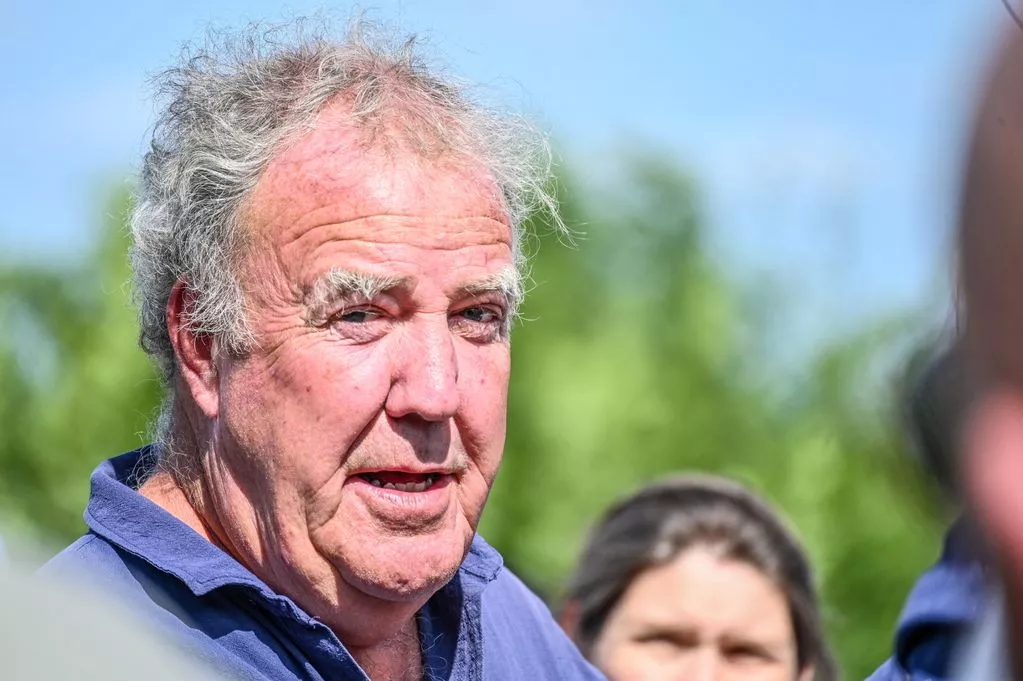
Jeremy Clarkson, the outspoken television presenter turned farmer, has admitted that he has been exploring the idea of moving abroad, reflecting on his frustrations with the current state of life in the United Kingdom. Writing in his latest column for The Sunday Times, the former Top Gear host revealed that he has “had a look” at what it would take to relocate overseas, though he acknowledges that such a move is far from simple.
Clarkson, 65, has spent the past several years reinventing himself as a farmer at his Diddly Squat Farm in Chadlington, Oxfordshire. He originally purchased the 1,000-acre property in 2008, when it was still known as Curdle Hill Farm, but it was not until 2019 that he took over day-to-day operations himself. His often chaotic but entertaining attempts to run the farm have been chronicled in the hit Amazon Prime series Clarkson’s Farm, which has attracted millions of viewers worldwide and recently released its fourth season earlier this year.
Despite the show’s success and his growing reputation in farming circles, Clarkson has faced significant challenges in recent months. Chief among them has been an outbreak of Bovine Tuberculosis at his farm, a serious setback for any livestock-based operation and one that has left him increasingly disillusioned with farming regulations and the difficulties of rural life.
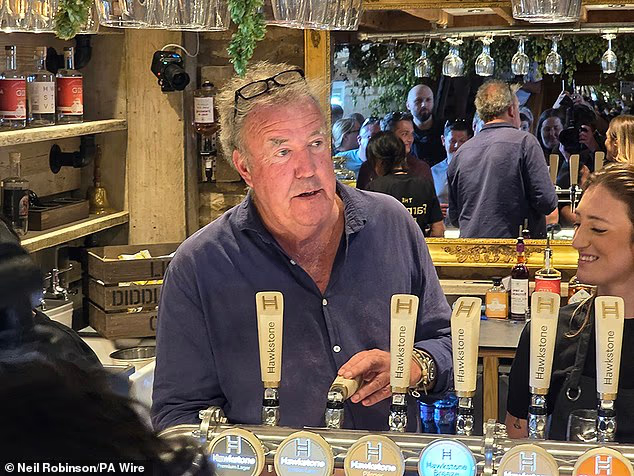
In his column, Clarkson expressed a broader sense of dissatisfaction with the direction the UK is heading. He wrote that “the country is becoming more and more unhappy,” adding that this climate of discontent is driving many people to seriously consider leaving. “A lot of people are now seriously thinking of upping sticks and moving to somewhere else,” he remarked.
The presenter then weighed possible destinations for such a move, considering countries like Australia, New Zealand, and the United States. He acknowledged that these places might appeal to many, particularly America “if you’re of a Trump disposition.” However, Clarkson admitted that the reality of emigrating is far more complicated than simply packing a bag. “You can’t just buy a house and open a local bank account. There are forms and requirements and it all looks a bit tiresome,” he explained, describing the bureaucratic hurdles that make the prospect less appealing.
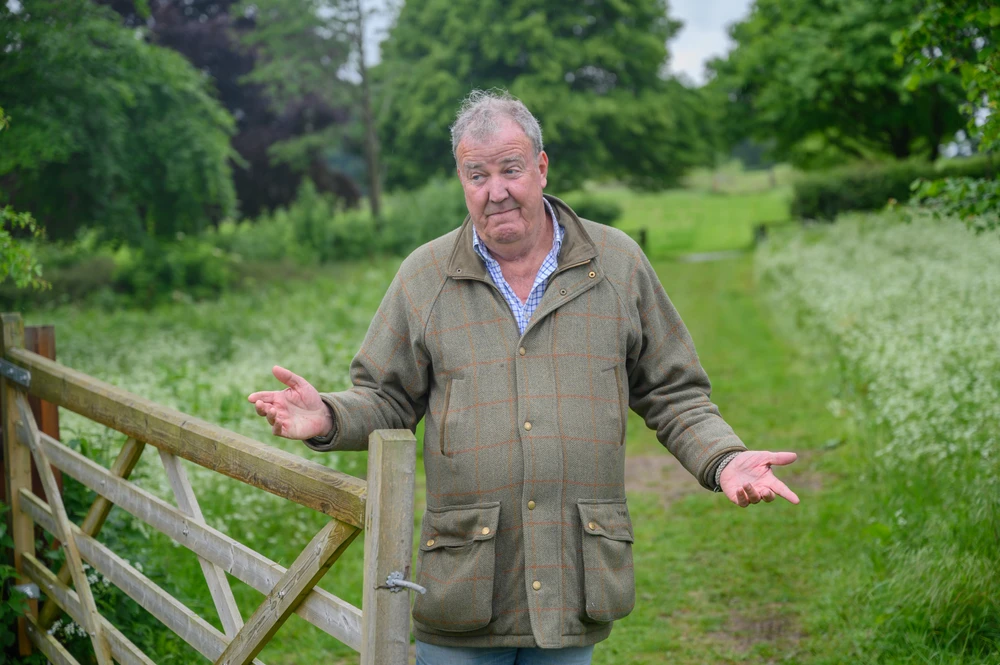
Even if the logistics could be managed, Clarkson remained doubtful about whether leaving the UK would truly provide a better life. He reflected that relocating is inherently a gamble, since no one can know what another country will be like several years down the line. “If you move abroad, in three-and-a-half years you will be living in another country, and God knows what it will be like there then,” he cautioned. By contrast, he argued, remaining in Britain at least offers the certainty of being close to family and friends, no matter the political situation.
He also cast doubt on whether life overseas would be any more fulfilling, describing foreign destinations as “either boring or terrifying.” Ultimately, Clarkson concluded that while the UK has its flaws, leaving might only replace familiar frustrations with new and unpredictable ones. “Whereas if you stay here, in three-and-a-half years you’ll be surrounded by your friends and family,” he wrote, adding wryly that “the horror of Starmer will have gone.”
Clarkson’s comments underline both his characteristic bluntness and his wider sense of disillusionment. For a man who has built a career on candid observations—whether behind the wheel of a sports car or behind the wheel of a tractor—his musings on emigration highlight the growing feeling among many Britons that the grass may not, in fact, be greener elsewhere.
