Jeremy Clarkson, Kaleb Cooper, and Charlie Ireland Discuss Cereal 2026 and Farming’s Future at Diddly Squat Farm

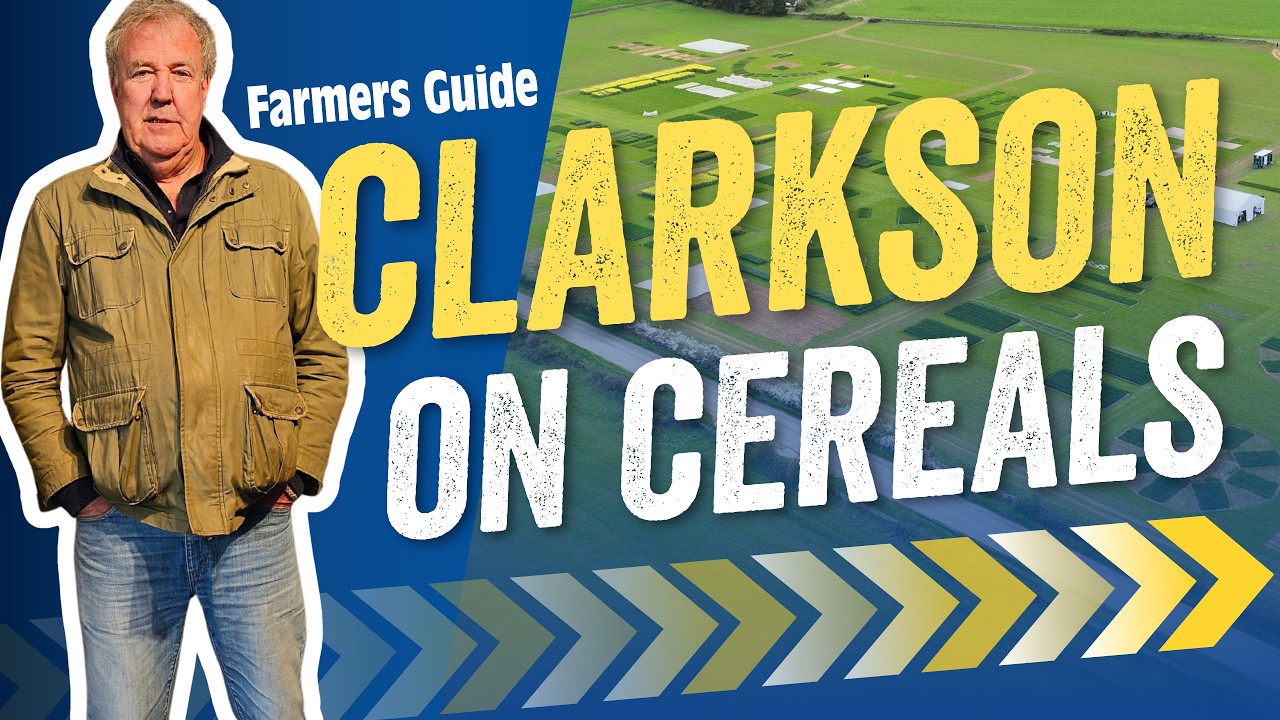
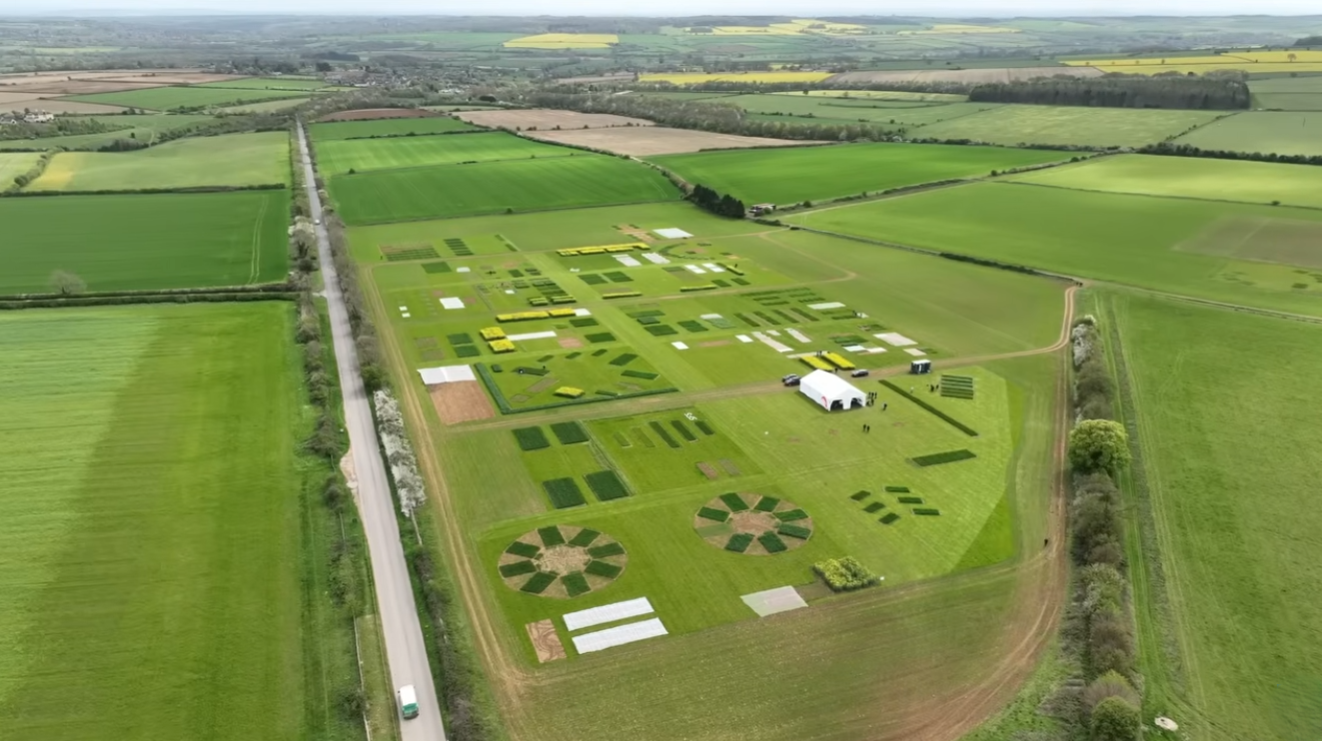
Diddly Squat Farm, famously known from Jeremy Clarkson’s hit show Clarkson’s Farm, became the center of attention as it hosted the Cereal 2026 Crop Plot Day. The event was a significant step toward showcasing the future of farming, with Clarkson, Kaleb Cooper, and Charlie Ireland meeting with the media to discuss the upcoming event and the challenges facing modern agriculture.
As the event kicked off, Clarkson welcomed the attendees with his signature humor and candid observations. Walking past the newly built car park — a feature famously constructed in Clarkson’s Farm season 3 — he shared how his perspective on farming has evolved. Despite initially being skeptical about the importance of crop events, Clarkson admitted that he was starting to see the significance of such gatherings. “I didn’t get it at first, but now, walking around and seeing the crops, I understand. It’s not just about growing plants. It’s about understanding the soil and the whole farming ecosystem,” Clarkson explained.
One of the highlights of the event was the exploration of crop plots, including oilseed rape (OSR), which Clarkson confessed was now growing on him. He had once dismissed crop plots and their technical aspects as uninteresting, but after getting hands-on experience with the soil and root structures, Clarkson was beginning to appreciate the complexity and science behind farming. He even joked about learning how to dig trenches to examine root systems, admitting that, “I now start to get whether I can be enthused by roots. Remains to be seen!”
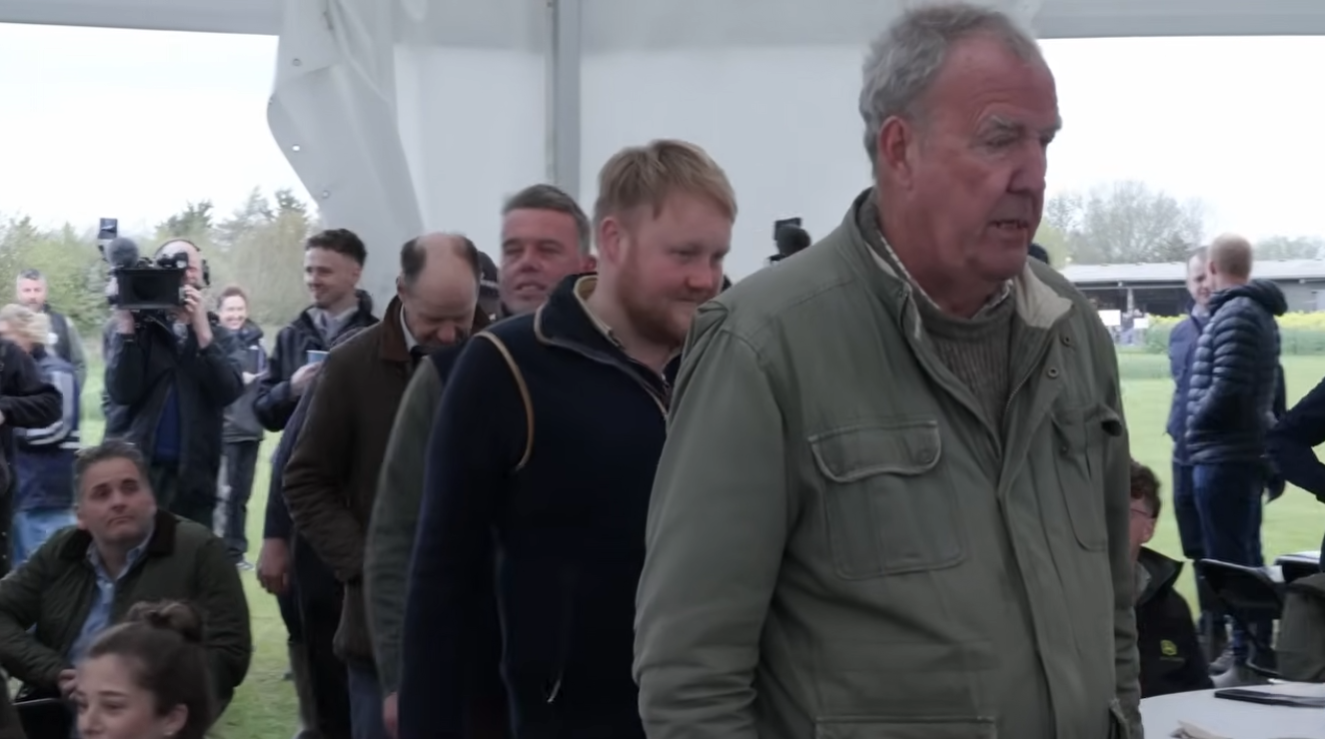
As the event continued, Clarkson and his team discussed the evolving realities of farming, especially in light of the current economic pressures. Clarkson touched on the volatility farmers face today, mentioning how rising fuel and fertilizer prices have put a strain on the industry. “The economics of growing wheat or barley don’t stack up right now. It’s a depressing place to be when you’re growing crops but can’t make a profit,” he said. Despite these challenges, Clarkson remained optimistic, pointing out that innovative farming practices and the adoption of technology could offer new opportunities.
Charlie Ireland, who has been instrumental in guiding Clarkson through the farming process, weighed in on the challenges and the potential for sustainable practices. “You have to adapt and embrace technology. Last year we experimented with autonomous equipment and underground mapping, which showed great promise. However, with this year’s uncertainty, the technology’s impact remains to be seen,” Charlie explained. The team at Diddly Squat Farm is constantly exploring new ways to mitigate rising costs, including by incorporating more high-tech tools and techniques into their farming practices.
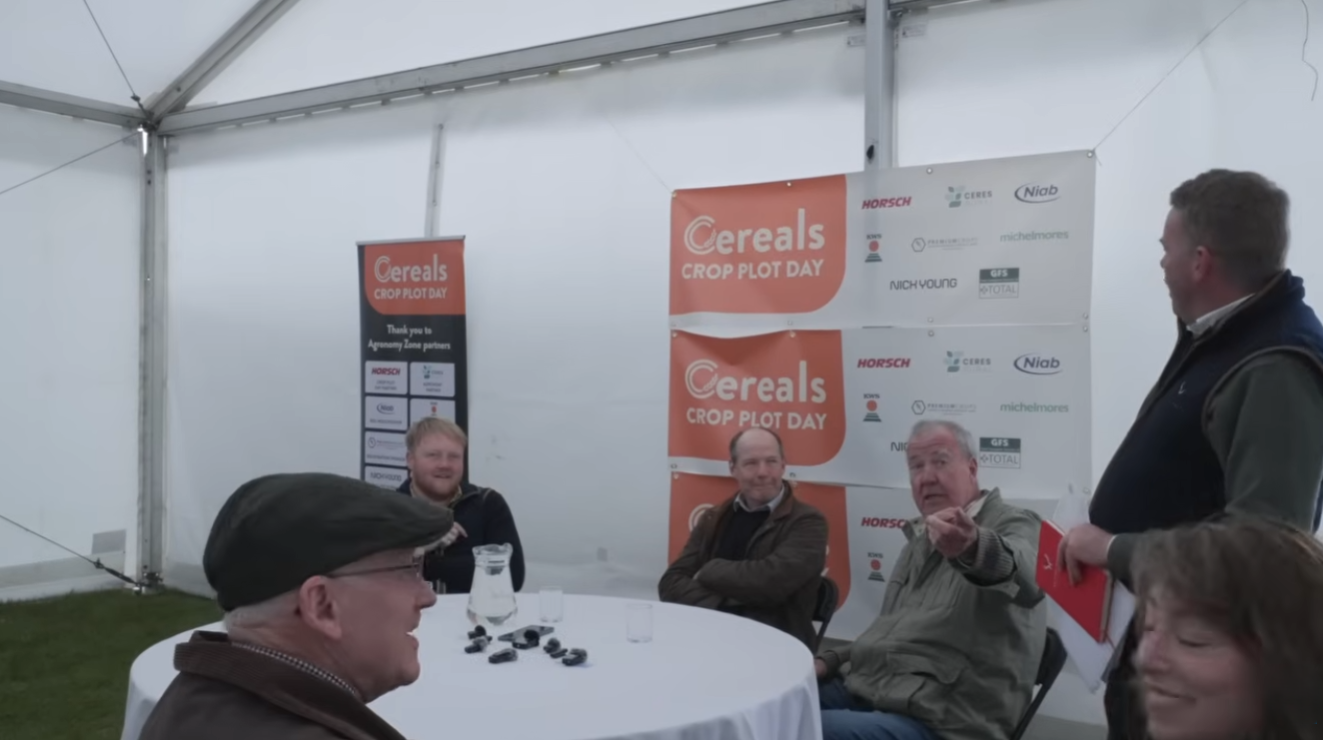
Despite his admitted initial reluctance, Clarkson acknowledged that farming today requires a deep understanding of both traditional methods and modern advancements. “You need to keep your eyes and ears open at events like Cereal 2026. It’s not just about seeing the crops; it’s about recognizing the opportunities and challenges. Farming has become about risk management,” Clarkson added.
The event also focused on the importance of educating the next generation of farmers. Clarkson expressed his pride in hosting students from seven universities and colleges, who had brought their own crops to showcase at the event. “It’s about giving them exposure and encouraging the next generation to think differently about farming,” said Clarkson. “If you’re a first-generation farmer, this is a great place to learn.”
The conversation shifted to sustainability, with Clarkson emphasizing the role of young farmers and newcomers in driving innovation within the industry. He spoke about his own experience as a newcomer to farming, explaining that while it was daunting at first, it has become one of the most rewarding endeavors of his life. “You don’t have to come from a farming background to be part of this industry. It’s about passion, and it’s about learning,” Clarkson said.
As the event drew to a close, Clarkson acknowledged the difficulties ahead for farmers, especially with the uncertainty caused by the ongoing conflict in Ukraine and its impact on fertilizer and fuel supplies. However, he remained hopeful that the farming community could adapt, innovate, and find new ways to thrive. “There’s always opportunity if you’re willing to look for it,” he concluded.
The day wrapped up with a final note on the upcoming Cereal 2026 show, where Clarkson and his team would continue to showcase farming advancements and discuss the future of agriculture. The event served not only as a celebration of crops but as a reminder that farming remains an industry in constant evolution, with new technologies, methods, and young minds pushing the boundaries.
With Clarkson’s Farm season 5 slated for release in May, fans can look forward to more of Clarkson’s learning curve as a farmer, while Cereal 2026 promises to be an exciting glimpse into the future of farming in the UK.
Stay tuned for more updates as Cereal 2026 unfolds, and as Clarkson, Kaleb, and Charlie continue to tackle the complex world of farming, one lesson at a time.