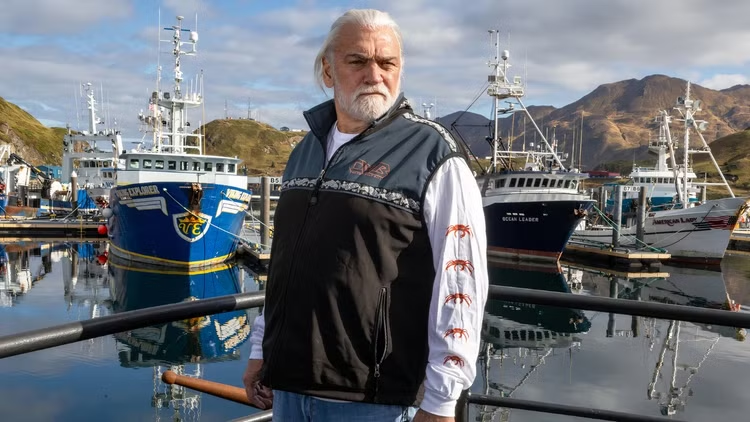
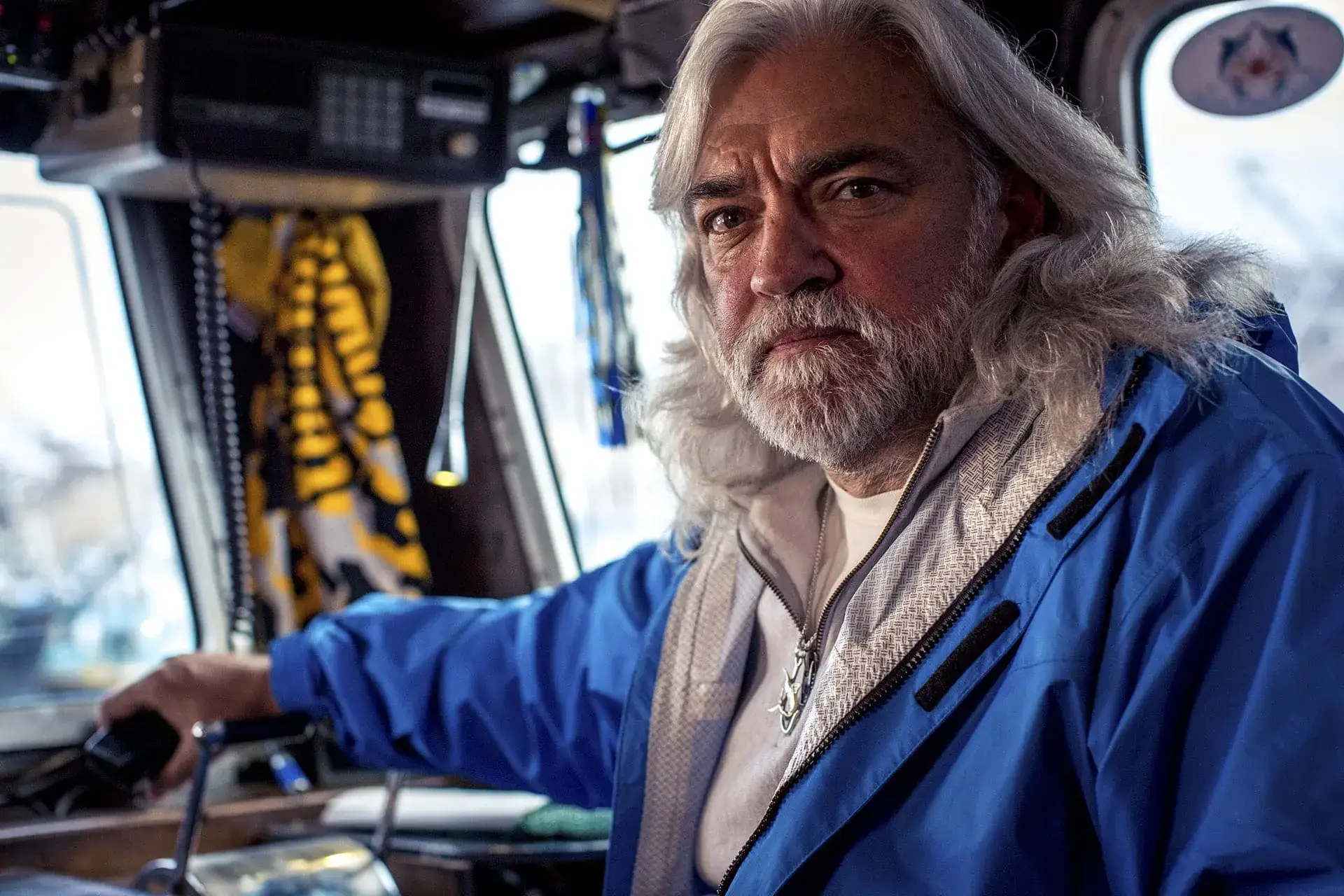
For decades, Captain “Wild” Bill Wichrowski was the face of defiance on the Bering Sea — a man who stared down hurricanes, ice fields, and the brutal mathematics of crab fishing without ever blinking. He was a legend among men who measure time by tides and seasons.
But the deadliest storm of his life didn’t come from the ocean. It came from inside his own body.
The Storm No One Saw Coming
At the end of Deadliest Catch’s 19th season, viewers expected more high seas and high drama. What they got instead was silence — the hum of fluorescent lights in an oncology ward. For the first time, cameras followed Captain Bill not onto the Summer Bay, but into a hospital room.
He sat quietly, hands folded, waiting for results that would alter everything.
Then came the words that hit harder than any rogue wave:
“You have prostate cancer — and it needs to be treated right away.”
It wasn’t just cancer. It was aggressive. And for a man who had spent his life fighting nature itself, this was a battle he could neither see nor outmaneuver.
Defiance at Sea
For most, the diagnosis would have meant retirement. For Bill, it meant resistance.
“I’m not going to stop fishing,” he said. “I’m going to keep going until I actually can’t.”
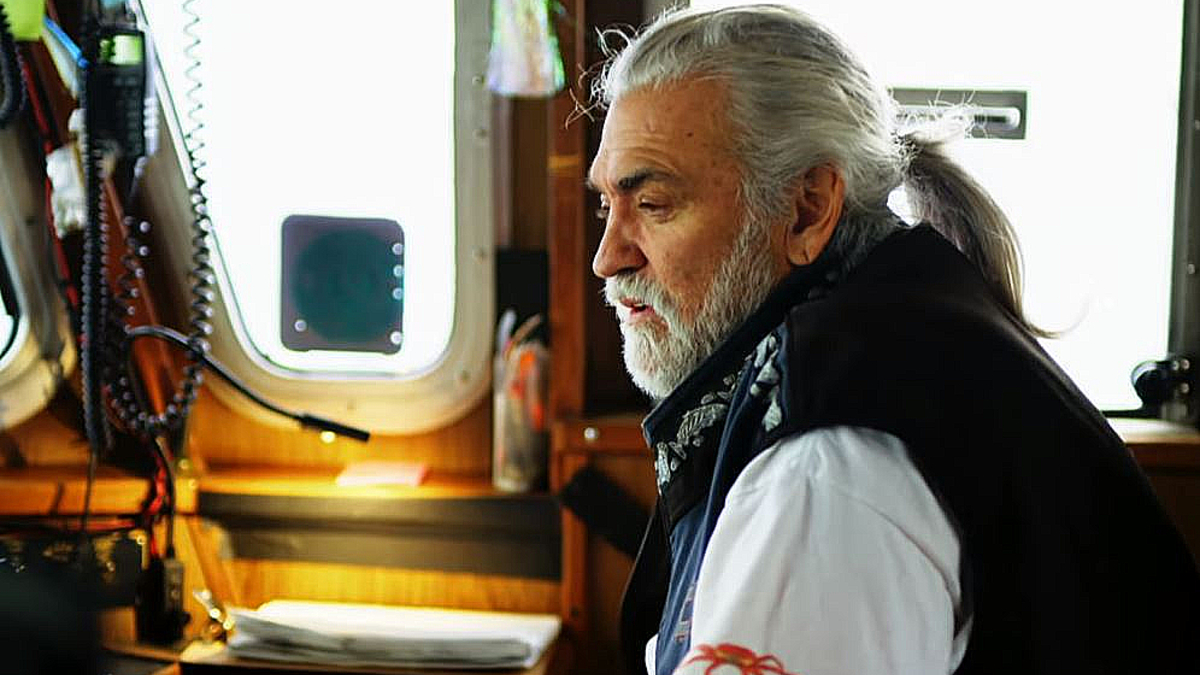
Doctors told him to rest, to stay near treatment facilities. Instead, Bill packed his bags, headed for Dutch Harbor, and climbed back aboard the Summer Bay. The man who had survived every storm wasn’t about to let illness dictate his course.
The move stunned medical staff — and inspired millions. “They looked at me like I was out of my mind,” he admitted. “But I’d rather fight on the deck than in a hospital bed.”
A Battle Beneath the Skin
Bill’s treatment began immediately: radioactive seed implants and hormone therapy. The goal was simple — stop the cancer from spreading. The cost was devastating.
The hormone treatment dropped his testosterone to near zero. His trademark strength, stamina, and grit — the essence of Wild Bill — faded overnight. “I had no energy,” he confessed. “I always felt 15 years younger than I was. Now it feels like the clock finally caught up.”
But rather than hide his pain, Bill turned it into purpose. He let Deadliest Catch cameras film his entire journey, transforming personal suffering into public awareness. “If I can convince one or two guys to get tested, that’s worth it,” he said. “That’s a good thing.”
The Captain Who Wouldn’t Quit
To understand his determination, you have to understand his history.
Born in Irwin, Pennsylvania, Bill joined the Navy after high school, where the call of the sea became irresistible. After his discharge, he chased fortune to Alaska during the king crab boom of the 1970s.
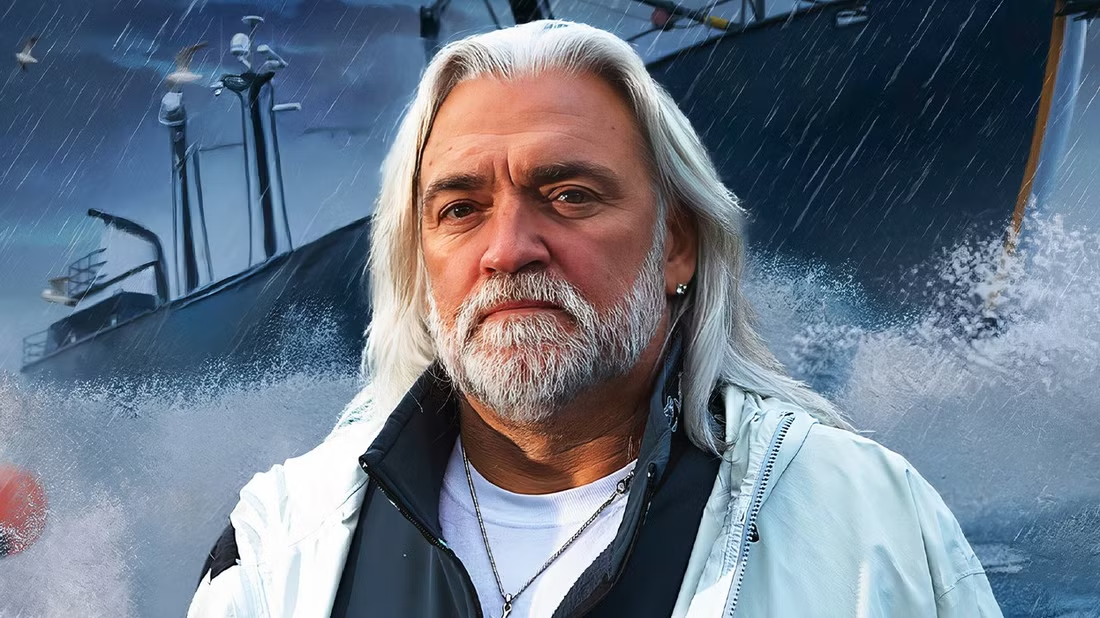
He started at the bottom — a greenhorn — and clawed his way up to captain. By the time television found him, he was already a legend. His nickname wasn’t invented for TV. He earned it the hard way.
One crewmate once told a story of a port brawl that spiraled out of control. Facing ruin, Bill stormed into the room with an AR-15, fired two warning shots, and delivered his own brand of “marine law.” As fellow captain Jonathan Hillstrand put it, “Bill was wild before Wild Bill was famous.”
Fame, Family, and Fallout
When Deadliest Catch debuted in 2005, Bill was semi-retired, running sport-fishing tours in Costa Rica. But in 2010, he returned to the Bering Sea — and to television. His no-nonsense leadership made him a fan favorite, and his Summer Bay crew became one of the show’s staples.
Off-camera, though, the life was less glamorous. His relationship with his son Zack Larson — who later joined the show — was strained. Years at sea had cost Bill precious time at home. “We butted heads,” he said. “We were both stubborn, both too much alike.”
Their clashes on deck became emotional centerpieces for the show — moments that blurred the line between family and survival.
Through it all, Bill leaned on his wife, Karen Gillis, whom he called his anchor. “She’s been through hell with me,” he wrote online. “She keeps me in line.”
Loss and Legacy
In 2020, tragedy struck the Summer Bay. Bill’s deck boss and close friend Nick McGlashan, just 33, died of a drug overdose. It shattered the captain. “Nick was like a son,” he said. “Losing him hurt more than any storm ever could.”
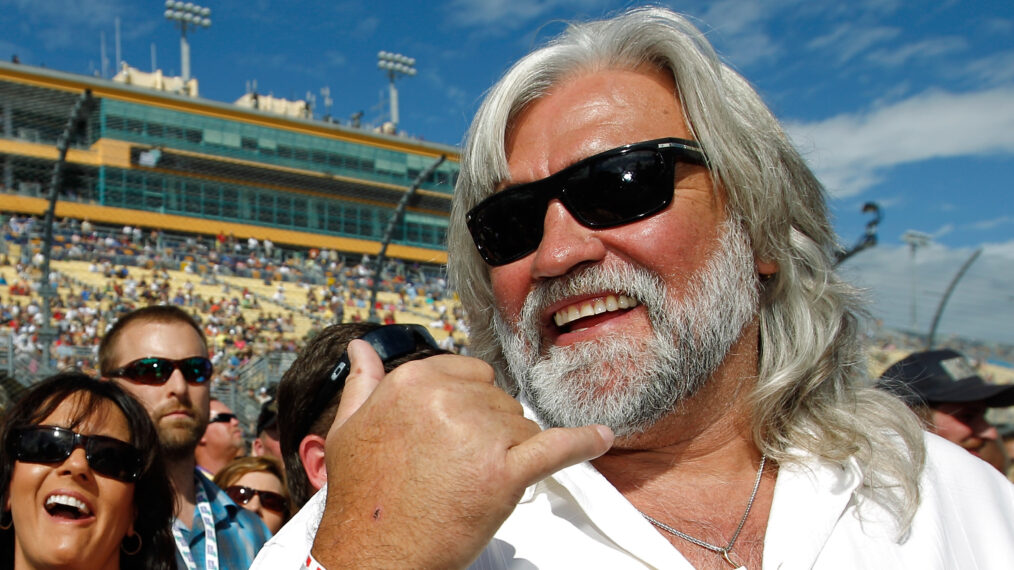
But even as grief lingered, Bill stayed focused on his crew — and on his mission to keep fishing alive for a new generation. Between seasons, he traveled across the U.S., appearing at fishing expos and NASCAR events, raising money for veteran charities like the Wounded Warrior Project. “I was told I’d have a voice people would listen to,” he said. “So I use it.”
The Final Choice
By Deadliest Catch’s 20th season, the toll of treatment was catching up. The sea demanded strength his body could no longer give. While miles offshore, his doctor called with a chilling ultimatum: skip the next hospital visit, and risk death.
For the first time in his career, Captain Wild Bill faced an order he couldn’t refuse.
He gathered his crew, eyes wet but steady. “I’ve never walked away mid-season,” he told them. “Never had to go.” Then, in an emotional moment watched by millions, he handed the Summer Bay’s wheel to his deck boss Landon Cheney.
“I couldn’t think of a better guy,” Bill said. “Take care of her.”
As the Summer Bay disappeared over the horizon without him, Bill turned toward the one fight he could not delegate — his fight for life.
Calm Seas at Last
Months later, fans got the update they’d prayed for. On Facebook, Bill wrote the words everyone had hoped to see:
“Numbers are great. I seem to be cancer-free now.”
The relief across the Deadliest Catch community was immense. The captain who had battled the ocean — and his own body — had survived.
But his time on the show had reached its end. Ahead of Season 21, Discovery confirmed what many feared: Captain Wild Bill would not return.
After more than a decade on television and forty years on the water, he was hanging up his rain gear. Not in defeat, but in victory.
The Man Beyond the Myth
Captain Wild Bill Wichrowski’s story isn’t about crab, or fame, or even the sea. It’s about what it means to fight when every current is against you.
He faced storms, loss, cancer, and his own limits — and somehow turned them all into lessons for others. He became more than a fisherman. He became a survivor, a mentor, and an advocate for life itself.
“I’ve caught millions of pounds of crab,” he once said. “But my biggest catch was a second chance.”
