Jeremy Clarkson, the larger-than-life television personality best known for his high-octane antics on Top Gear and The Grand Tour, and more latterly for his heartfelt portrayal of rural life in Clarkson’s Farm, is enduring a barrage of financial and operational woes at his latest entrepreneurial endeavor: The Farmer’s Dog pub in the idyllic Cotswolds. In his recently published book, Diddly Squat: The Farmer’s Dog, Clarkson pulls back the curtain on what he describes as a “total disaster” behind the scenes, confessing that the venture is hemorrhaging money and inducing levels of stress that could lead to a “skin disease.” Despite these admissions, the pub continues to charm visitors with its traditional British ambiance, drawing praise from celebrity chefs and loyal fans alike.
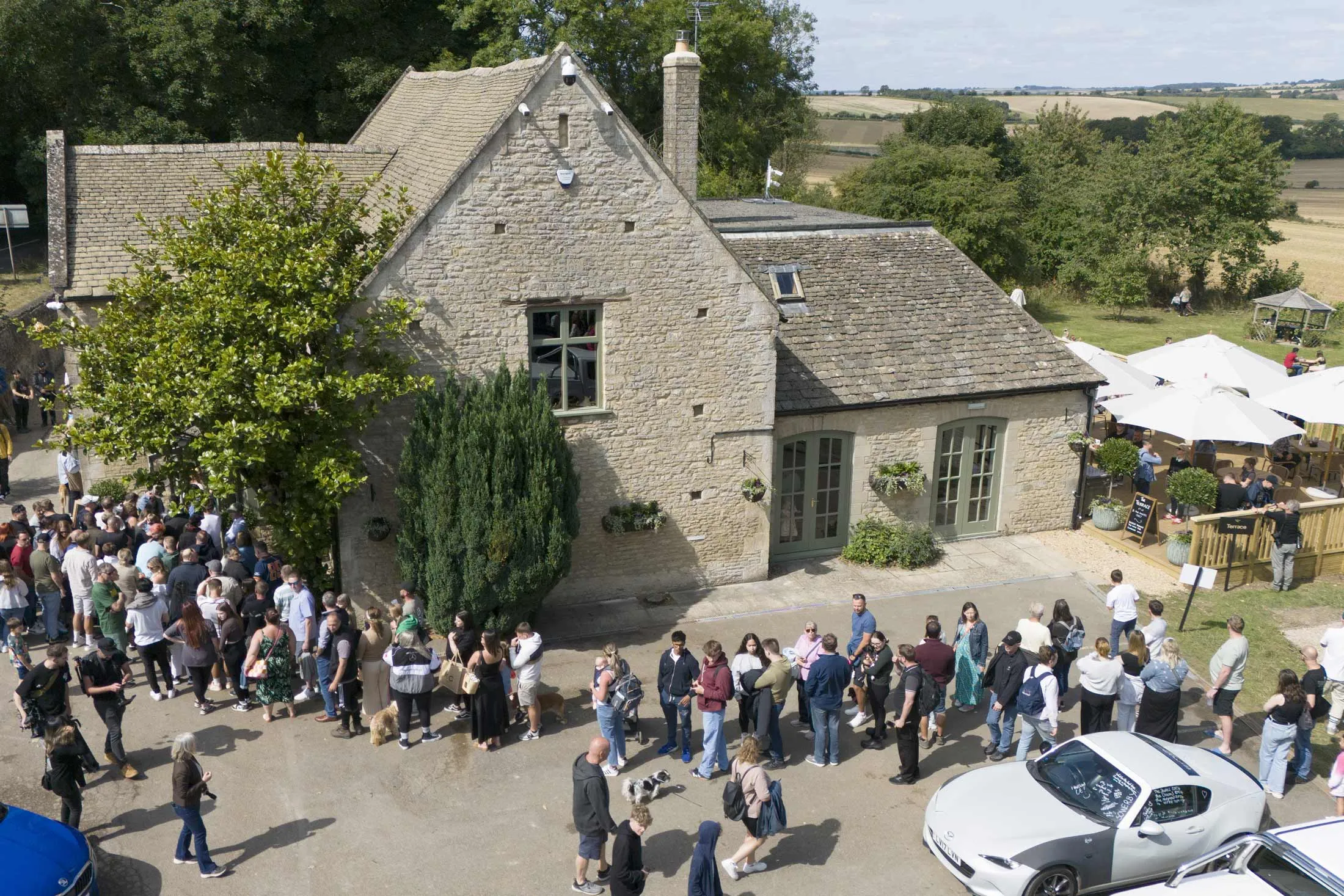
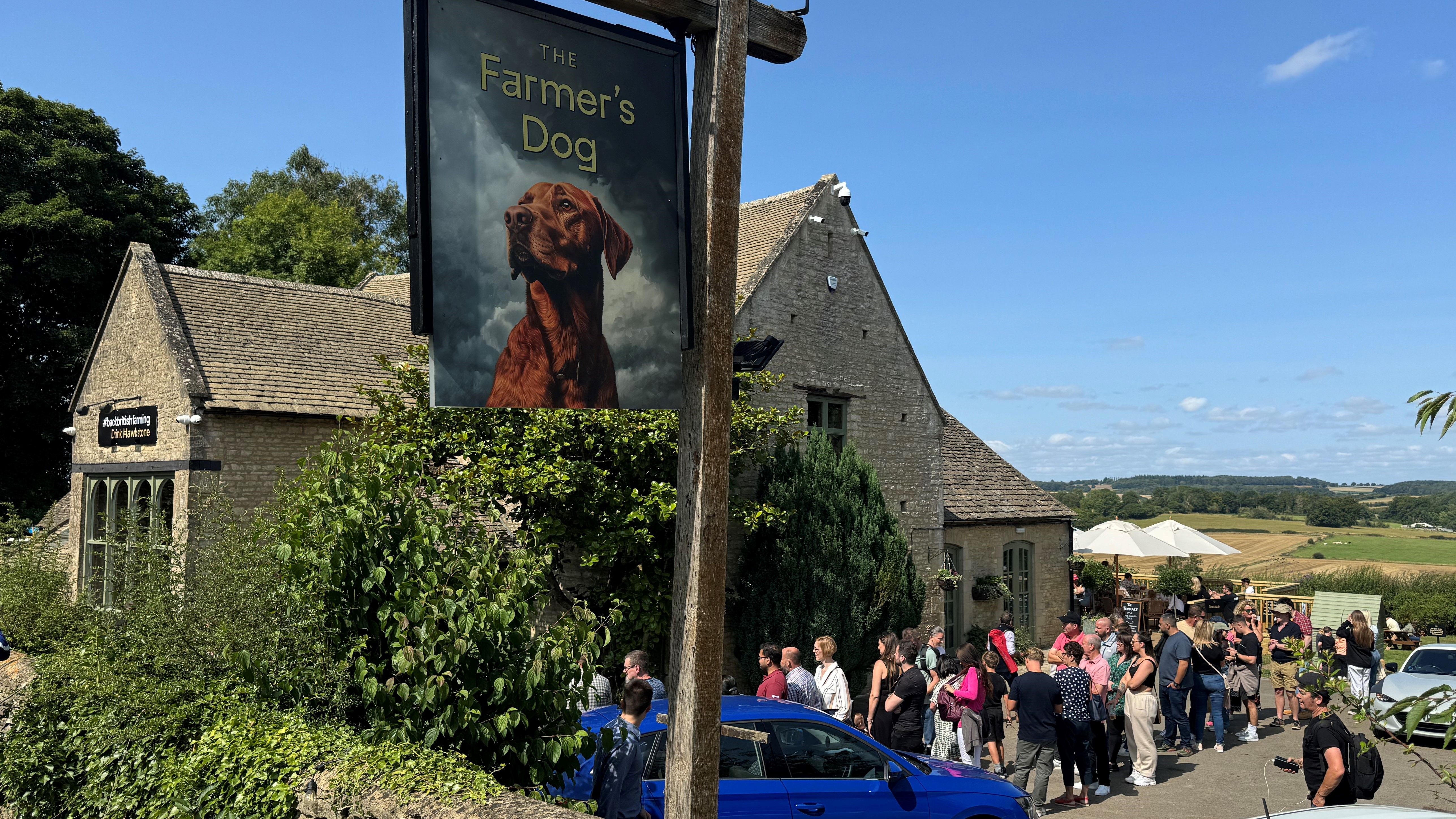
Clarkson, aged 65, has been a resident of west Oxfordshire since acquiring Diddly Squat Farm in Chadlington back in 2008. The farm, which serves as the backdrop for his popular Amazon Prime series, has chronicled his often hilarious and frustrating forays into agriculture, from battling bureaucracy to wrangling livestock. Emboldened by the success of the show and his farm shop, Clarkson expanded his holdings last year by snapping up The Windmill, a historic inn near Burford in Asthall, for an estimated £1 million. After a thorough renovation that emphasized local sourcing and rustic appeal, he relaunched it as The Farmer’s Dog in August 2024, with a mission to celebrate British produce and provide a welcoming spot for locals and tourists.
The pub’s ethos is quintessentially Clarkson: all-British ingredients, no imported goods like coffee or Coca-Cola, and even a dedicated area for farmers to unwind. Features include a roaring fire, friendly young staff, and unique decor such as a vintage tractor dangling from the ceiling. On the surface, it’s a hit—Clarkson recounts in his book how renowned chef Marco Pierre White (cryptically referred to as a “top chef” whose name “begins with an M and ends with an ‘arco Pierre White'”) visited and was “bowled over” by the food’s quality. “The staff are happy,” Clarkson writes, painting a picture of a “proper, traditional pub” where patrons feel at home. “When you go to the pub, you just wouldn’t know” about the chaos backstage.
However, the reality Clarkson unveils in Diddly Squat: The Farmer’s Dog, released in October 2025, is far grimmer. “Behind the scenes, then, everything is a total disaster,” he states bluntly. The pub is “losing [him] a fortune,” with Clarkson humorously predicting it’ll drive him to financial ruin and health woes from the relentless stress. This candid revelation aligns with broader challenges he’s faced, including skyrocketing operational costs that he attributes to the economic landscape under Prime Minister Keir Starmer’s government. In a scathing commentary, Clarkson has described running a business in “Starmer’s Britain” as “nigh-on impossible,” citing exorbitant expenses like £100 daily on generator fuel, £400 weekly to heat the outdoor terrace, and a staggering £27,000 on parking and traffic management to comply with local regulations.
The financial strain is compounded by a series of unfortunate incidents. One particularly nightmarish episode involved a “horror” in the garden loos—a severe diarrhoea outbreak that necessitated specialized cleaning equipment, an unforeseen expense Clarkson quipped he “never factored into any of [his] business plans.” Theft has also been rampant, with patrons pilfering pint glasses at an alarming rate; on one day alone, 104 glasses disappeared, as visitors seemingly view them as souvenirs. Adding insult to injury, cybercriminals struck earlier this year, hacking the pub’s systems and siphoning off £27,000—a devastating blow that Clarkson revealed in September 2025.
Policy decisions have further fueled the pub’s troubles. In a notable U-turn, Clarkson initially banned dogs from the premises—ironic given the pub’s name—but reversed the decision after backlash, admitting it was an “expensive mistake.” This adjustment came amid reports of other operational hiccups, such as supply chain issues with his all-British menu, which Clarkson estimates costs him around £10 per customer due to higher ingredient prices.
Reflecting on a year since the pub’s opening, Clarkson has pondered whether managing a boozer is more stressful than farming itself. In interviews and his book, he emphasizes the vital role pubs play in community life, yet confesses a lack of business acumen. “I don’t understand business,” he admitted recently, vowing that The Farmer’s Dog will be his final venture. “I am not starting another business as long as I live.” This sentiment is echoed in a one-year retrospective, where he highlights the pub’s importance but questions the toll it takes.
Despite the doom and gloom, there’s optimism in the air. The pub has become a pilgrimage site for Clarkson’s Farm enthusiasts, boosting visitor numbers and generating positive buzz. Clarkson has praised his staff’s resilience and the venue’s appeal, noting that while it may bleed money, it succeeds in delivering joy to patrons. As the UK hospitality sector grapples with closures—two pubs shuttering daily amid staffing shortages and energy crises—Clarkson’s persistence embodies a defiant spirit.
Whether The Farmer’s Dog turns the corner or becomes another chapter in Clarkson’s saga of ambitious failures remains uncertain. For now, it stands as a testament to his unyielding drive, blending humor, hardship, and heartfelt British tradition in equal measure.
