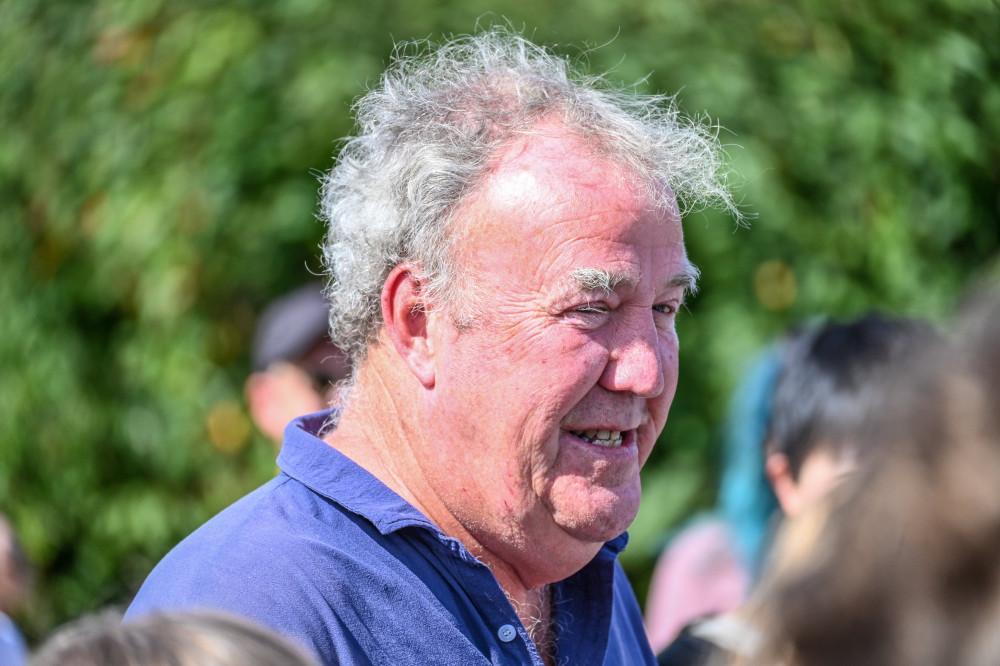
In 2008, Jeremy Clarkson, the charismatic and often controversial former host of the iconic BBC motoring show Top Gear, made a significant investment in rural life by purchasing a sprawling 1,000-acre farm in the picturesque countryside of Oxfordshire, England. This property, which he later affectionately named Diddly Squat Farm, would become the backdrop for a new chapter in his career, blending his larger-than-life personality with the gritty realities of agriculture. Although Clarkson owned the land for over a decade, it wasn’t until 2019 that he decided to roll up his sleeves and actively manage the farm himself, trading in high-speed cars for tractors and livestock.
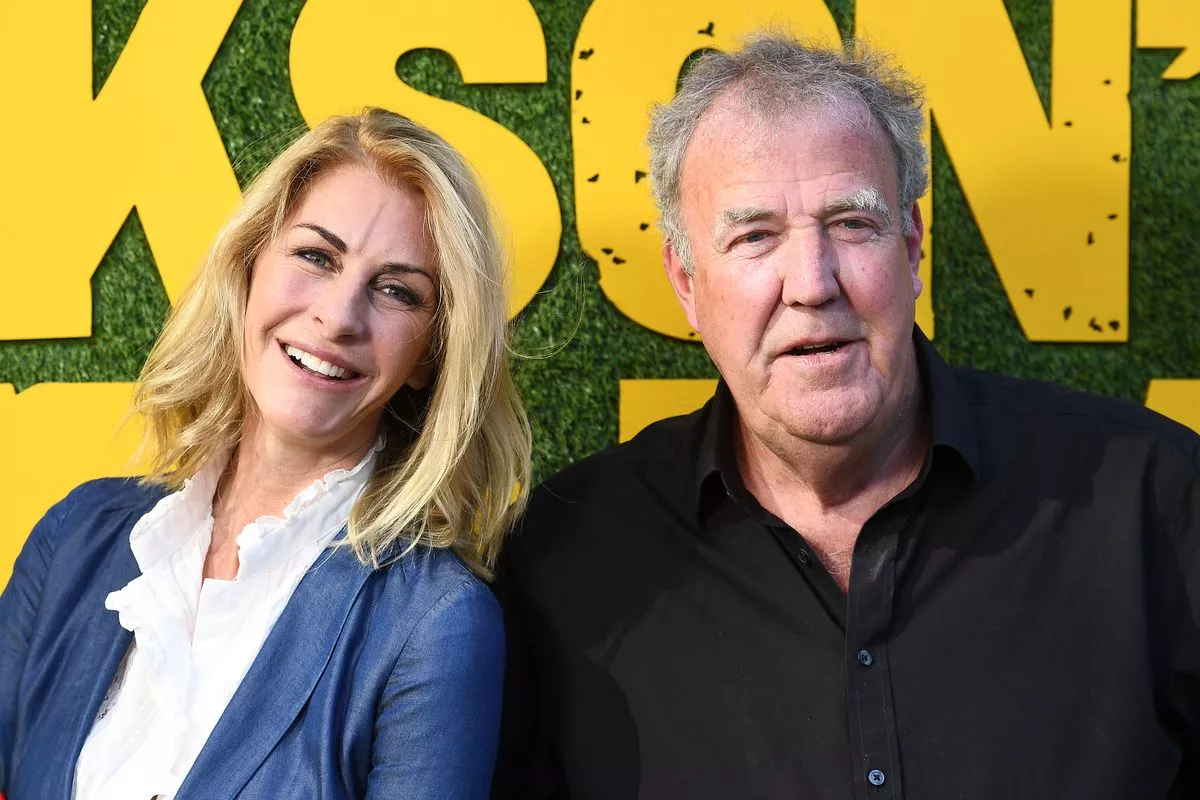
This bold venture into farming has been captured in vivid detail through the hit Amazon Prime Video series, aptly titled “Clarkson’s Farm.” The show chronicles Clarkson’s trials and triumphs as a novice farmer, offering viewers an unfiltered look at the challenges of modern British agriculture. Alongside Clarkson stars his long-term partner, Lisa Hogan, who brings her own flair to the operations, and a cast of colorful characters, including the young and indispensable farmhand Kaleb Cooper. At just 27 years old, Kaleb has emerged as a breakout star of the series, winning over audiences with his no-nonsense attitude, deep-rooted knowledge of farming practices, and his ability to ground Clarkson’s often ambitious—and sometimes ill-advised—ideas in practical reality. Kaleb’s expertise has been crucial for Clarkson, who openly admits to being a beginner in the world of plowing fields, raising animals, and navigating the unpredictable whims of weather and market demands.
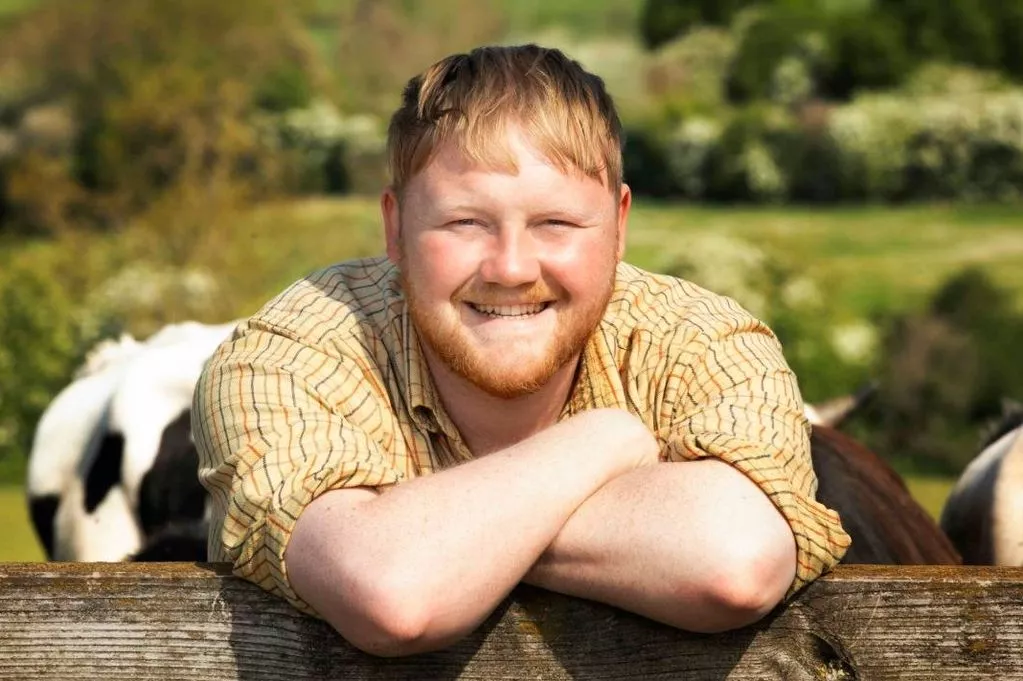
Recently, Clarkson shared a humorous yet revealing anecdote about a tense moment on the farm involving Kaleb, which highlighted the occasional clashes between environmental concerns and the harsh necessities of farming. In a column for the Sunday Times Magazine, Clarkson disclosed that Kaleb had received a stern “bollocking”—a British slang term for a thorough scolding or reprimand—while carrying out his duties at Diddly Squat. Despite the intensity of the dressing-down, Clarkson praised his co-star for handling it with remarkable composure, noting that Kaleb took it “like a man” and stood his ground without backing down.
The incident stemmed from Clarkson’s growing interest in biodiversity and wildlife conservation on his property. Eager to make Diddly Squat more eco-friendly, Clarkson enlisted the help of Hannah Bourne-Taylor, a respected local bird specialist and parish councillor known for her passion for avian habitats. Hannah was tasked with surveying the bird population on the farm and suggesting ways to improve their living conditions. Under her guidance, Clarkson implemented several initiatives, such as planting wide strips of wildflowers right through the middle of his crop fields to provide natural corridors for pollinators and birds. He also sowed specialized bird-friendly flowers and plants across various parts of the farm, aiming to create a more hospitable environment for species like skylarks, which are known to nest in grassy areas.
However, Clarkson soon noticed that some of his neighboring farmers, who perhaps had deeper pockets or different priorities, were going even further in their conservation efforts. Inspired but curious, he approached Kaleb to discuss whether they could expand their own initiatives at Diddly Squat. According to Clarkson, Kaleb’s response was blunt and immediate: a firm “no,” reflecting the practical constraints of balancing environmental goals with the farm’s operational needs.
Tensions escalated into a full-blown confrontation during the harvest season. As detailed in Clarkson’s column and reported by outlets like the Mirror, the pivotal moment occurred in early June when Hannah arrived at the farm to conduct one of her routine checks. To her horror, she discovered Kaleb in the midst of mowing a grass field with his tractor, preparing hay that would be essential for feeding the farm’s cows through the upcoming winter months. Hannah was deeply upset, accusing Kaleb of endangering the local wildlife. She exclaimed that he was “mincing all the baby skylarks,” explaining that the young birds were still nesting in the grass and were too immature to fly away from the oncoming machinery, leaving them vulnerable to being harmed or killed.

Kaleb, ever the pragmatic farmer, defended his actions by pointing out the timing dilemma inherent in agriculture. He argued that delaying the harvest until the skylarks were old enough to flee would render the grass unsuitable for hay—too mature, dry, and nutritionally deficient to properly sustain the livestock. Despite the heated exchange, Kaleb accepted the criticism stoically, but he didn’t waver in his reasoning.
In the end, Clarkson intervened, siding partially with Hannah’s concerns for the next field. He instructed Kaleb to hold off on mowing that adjacent area until the birds had a better chance to mature and escape. As it turned out, Kaleb’s prediction proved spot-on: the delayed harvest resulted in hay that was indeed of lower quality, lacking the vitality needed for optimal animal feed. Clarkson humorously reflected on the outcome, quipping that come next spring, their cows might end up looking as if they’d been on a strict diet regimen, comparing their potentially gaunt appearance to the effects of the weight-loss drug Mounjaro.
This episode underscores the ongoing themes in “Clarkson’s Farm”: the delicate balance between profitability, sustainability, and personal growth. It also showcases the dynamic relationships among the team, where disagreements often lead to valuable lessons. Fans of the series continue to appreciate these candid glimpses into rural life, and with multiple seasons already under its belt, the show has solidified Clarkson, Kaleb, and the rest of the Diddly Squat crew as unlikely heroes in the world of entertainment and agriculture alike. As Clarkson navigates these challenges, his farm remains a testament to the idea that even a former Top Gear speed demon can find fulfillment in the slower, muddier lanes of countryside stewardship.
