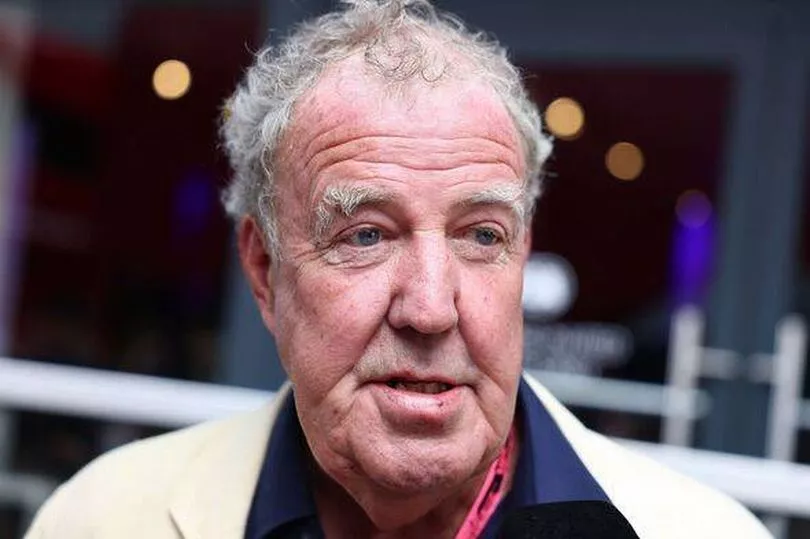
Jeremy Clarkson has banned over 400 Labour MPs from his pub The Farmer’s Dog.
The Clarkson’s Farm star, 65, immediately banned Prime Minister Sir Keir Starmer from his £1million Cotswolds boozer when it opened last year.
And now, to protest the government’s Budget tax-grab, he has forbidden Sir Keir’s entire party from entering the premises near Burford Oxon.
‘I was well ahead of the curve when I banned Starmer. Every Labour MP is barred now,’ he told The Sun.
‘Our annual business rates have gone up astronomically from something like £28,000 to well over £50,000. It is a disgrace.’
It comes after around 50 pubs across the country have put up signs saying ‘No Labour MPs’ in a show of protest against the new huge business rates increases.
Businesses were left seething after discovering their property tax bills will increase steeply next year – making a mockery of the Chancellor’s claim to have helped the hospitality industry.
The boss of one of the country’s largest pub chains has implored Rachel Reeves to change tack, warning her reforms ‘could be the tipping point that changes the shape of the industry forever’.
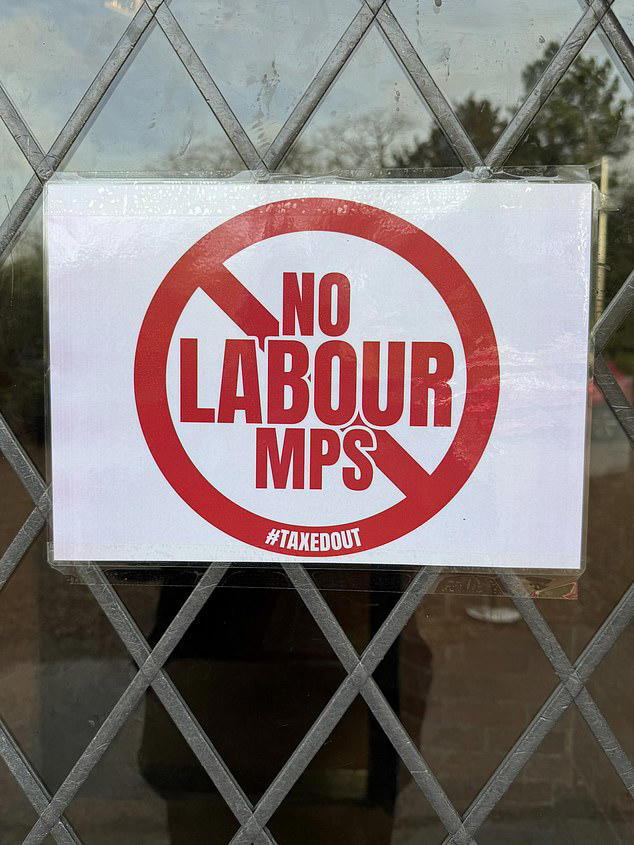
James Fowler, who owns the Larder House pub in Bournemouth and came up with the idea to ban politicians, said that venues are ‘absolutely being taxed out’.
‘You just feel like you are being ignored all the time, so it is a very direct and clear message that we are not happy with Labour MPs and the hidden taxes they have thrown onto us,’ he said.
Despite several meetings between hospitality sector representatives and ministers, Lennox said that ‘Labour aren’t listening’ – meaning ‘more extreme measures are now needed’.
He said his venues were already struggling after Labour’s first Budget, which saw massive increases in employer National Insurance contributions and wages.
Greene King chief executive Nick Mackenzie, who oversees 2,600 pubs, told Labour that pubs had been ‘let down’, in an opinion piece for the Daily Mail.
‘Quite simply, this isn’t the relief or reform we were promised, and it could be the tipping point that changes the shape of the industry forever,’ he said.
Pubs had survived ‘wars, recessions and even a global pandemic’ but are now threatened by ‘the constant layering of costs – from wage rises, food inflation and recycling requirements, topped off by business rates’, he added.
High Street firms have long complained about business rates, saying the unfair and outdated system penalises pubs and shops over online sellers.
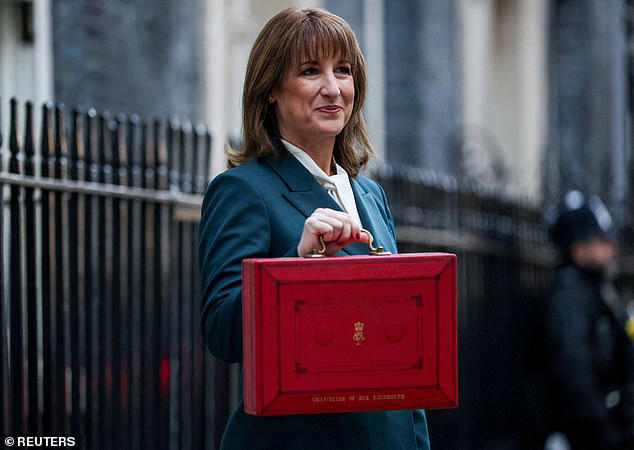
They had been hoping for an improvement in last month’s Budget when Ms Reeves boasted that she was introducing ‘permanently lower tax rates for over 750,000 retail, hospitality and leisure properties’.
She hailed ‘the lowest tax rates since 1991’.
But as more details emerged after her speech, many small businesses realised that their bills would actually go up.
And a report by UK Hospitality revealed that small venues – such as pubs, bars and cafes – will see business rates bills rise by £318million over the next three years.
