Farmers across the UK are welcoming a significant change to inheritance tax rules after the government confirmed it will raise the relief threshold for agricultural and business assets, following sustained pressure from the farming community.
Ministers announced that from April, the threshold for inheritance tax relief will increase from £1 million to £2.5 million. For married couples or civil partners, this means up to £5 million in qualifying agricultural or business assets can be passed on before any additional inheritance tax is applied, on top of existing allowances. Assets above that level will be subject to a 50% relief, rather than being fully taxed.
The move represents a clear retreat from earlier proposals that had caused deep concern within the farming sector, particularly among family-run operations worried about the long-term viability of passing farms on to the next generation.
Relief for family farms
The National Farmers’ Union said the revised policy would significantly ease pressure on many farm businesses. NFU president Tom Bradshaw described the change as “a huge relief to many” and said it would substantially reduce the inheritance tax burden facing farming families.
He noted that changes announced in last year’s Budget had left farmers uncertain about how to plan for the future. “Until that point, the advice had been to retain the farm and pass it on so the next generation could continue producing food and running a viable business,” he said. “I am grateful that the government has listened and adjusted its approach.”
According to government estimates, the number of estates affected by higher inheritance tax bills will now fall to around 1,100, down from approximately 2,000 under the original plans. Ministers said the revised measures would primarily affect the largest estates, rather than ordinary family farms.
Protests and political pressure
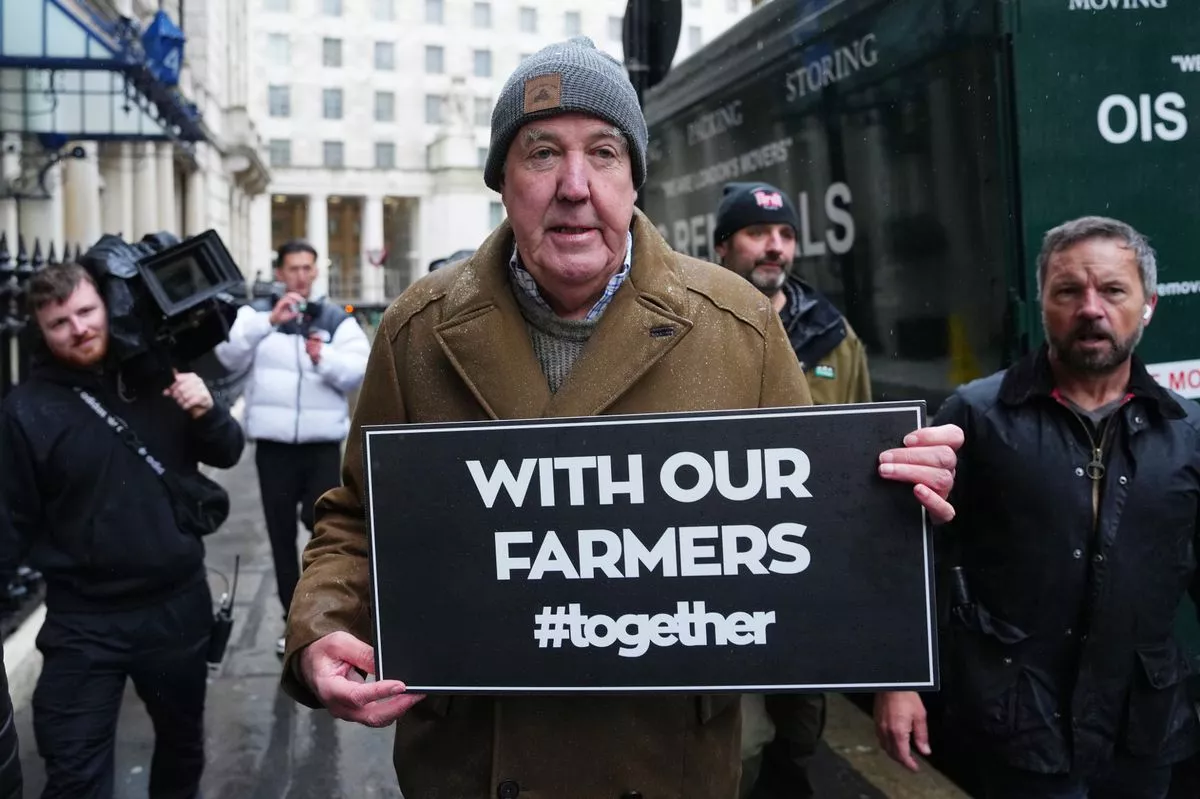
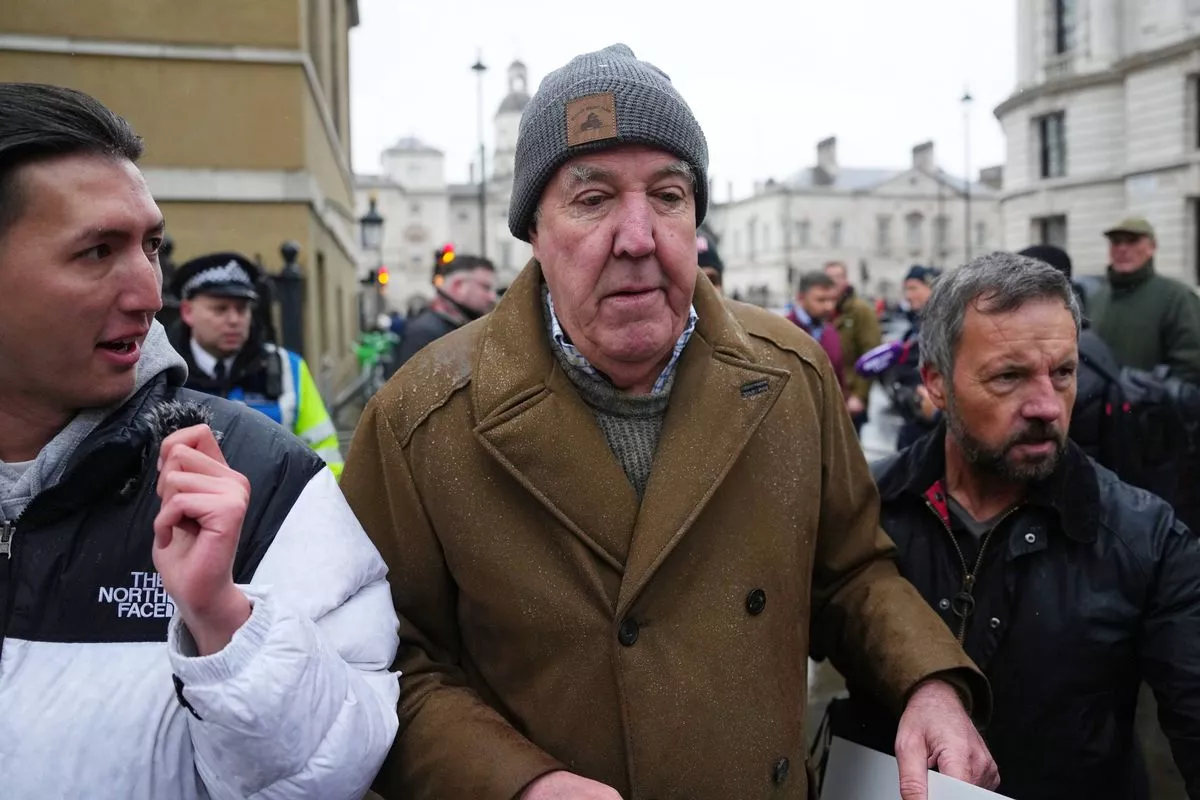
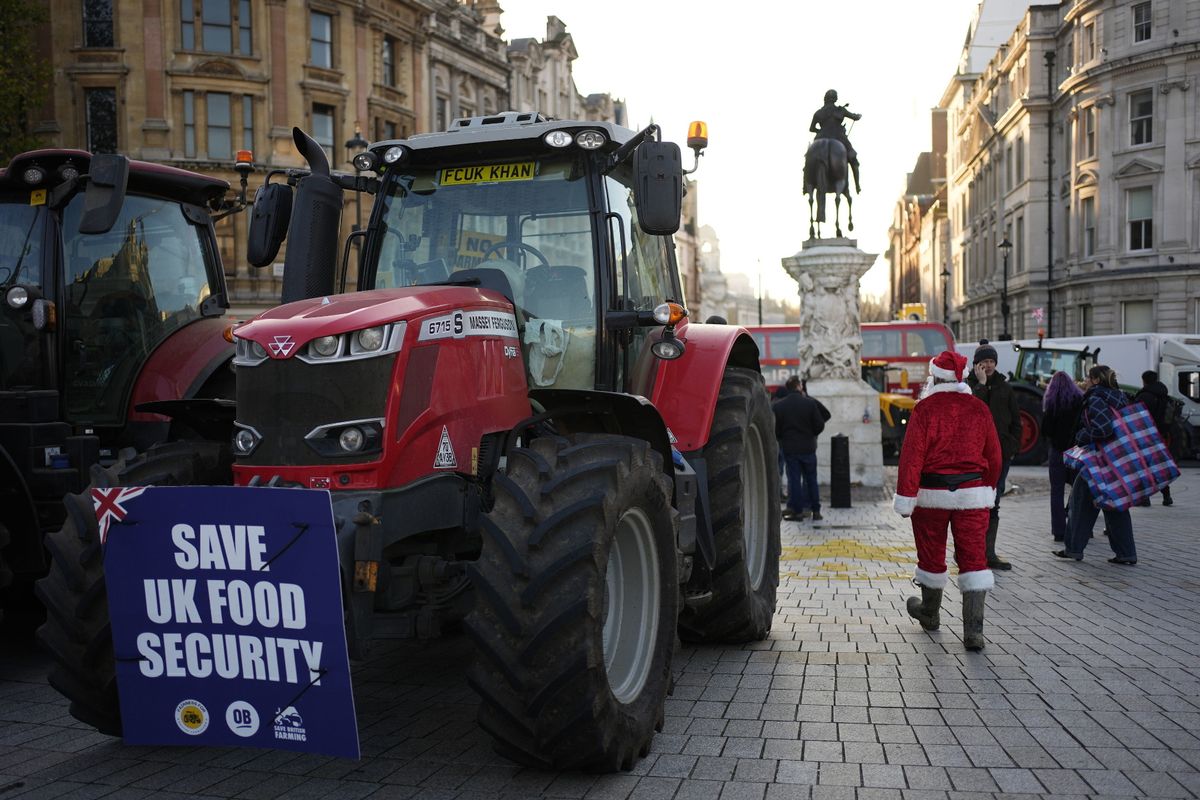
The change follows months of protests and campaigning by farmers, including high-profile demonstrations in and around Westminster. Several of these were supported by Jeremy Clarkson, who has used his public platform to highlight the potential impact of inheritance tax changes on rural businesses.
Environment secretary Emma Reynolds said the government had taken those concerns seriously. “Farmers play a central role in our food security and environmental stewardship,” she said. “We have listened carefully to voices across the country and are acting to protect more family farms while ensuring the tax system remains fair.”
She added that the government remains committed to working with farmers to support long-term profitability and sustainability in the sector.
Continued debate
Opposition parties have responded with mixed views. Conservative leader Kemi Badenoch described the move as a major reversal, arguing that the original proposals would have placed unacceptable strain on rural businesses.
Meanwhile, the Liberal Democrats said the revised threshold does not go far enough. The party renewed calls for the tax changes to be scrapped entirely, warning that some family farms could still face financial difficulty despite the increase in relief.
Looking ahead
At present, agricultural and qualifying business assets passed on between generations do not attract inheritance tax under existing reliefs. The government says the revised framework aims to strike a balance between protecting family farms and ensuring that very large estates contribute appropriately.
For many farmers, the announcement brings a sense of stability after months of uncertainty. While debate over the future of inheritance tax relief is likely to continue, the higher threshold is being seen within the industry as an important step toward safeguarding the continuity of British family farming.
