The Curse of Oak Island Season 13, Episode 10: ‘Boulder and Wiser’ — A Step Closer to Unveiling the Island’s Secrets

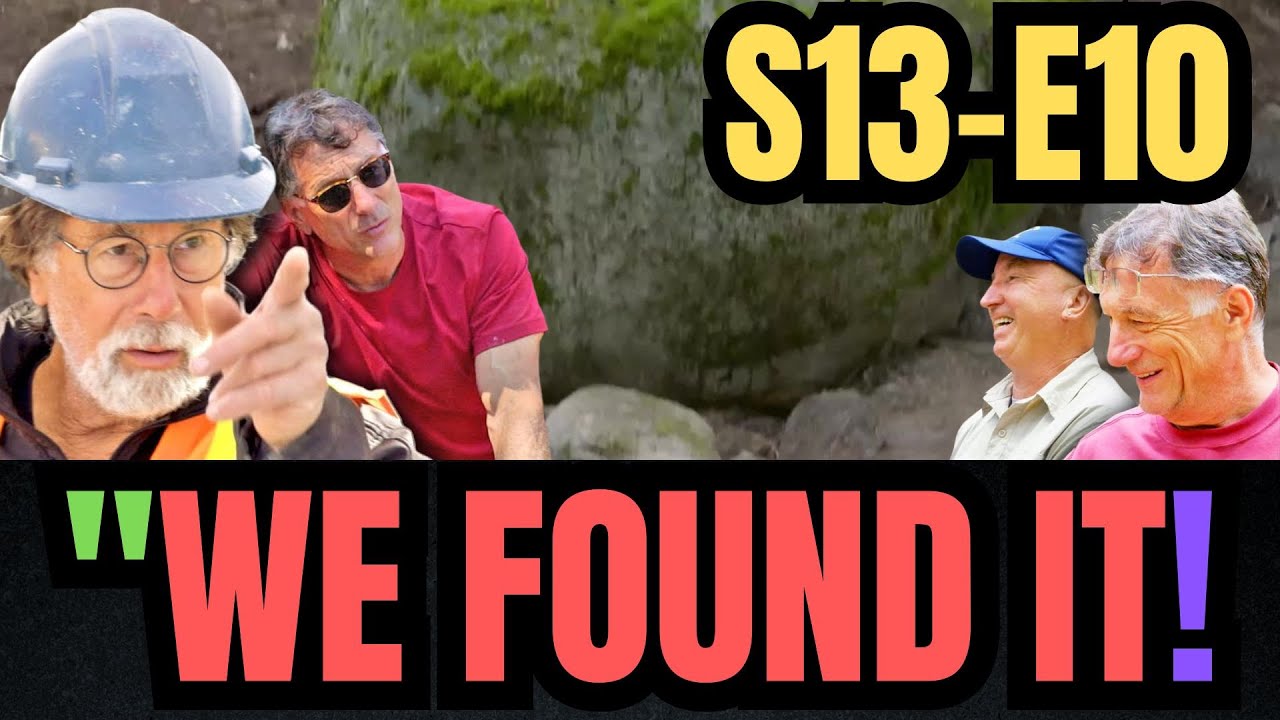
As the hunt for the legendary treasure of Oak Island intensifies, The Curse of Oak Island continues to deliver groundbreaking discoveries. In Season 13, Episode 10, titled Boulder and Wiser, Rick and Marty Lagina and their team are one step closer to unraveling the 231-year-old mystery that has captivated treasure hunters for centuries. With high-stakes drilling operations, groundbreaking video analysis, and tantalizing artifacts uncovered in the swamp, the team may have finally pierced through the island’s defenses, inching ever closer to revealing the treasure’s elusive location.
The Money Pit and the Search for the Offset Chamber
The episode opens with a dramatic moment at the Money Pit area, specifically in the Peacock zone. For years, the team has been tantalized by the possibility of a hidden chamber, connected to the original Money Pit via a flood tunnel, and potentially filled with the treasure that has eluded explorers since the 18th century. The focus is on borehole DN13, which is drilled just feet away from a previous hole that revealed a possible cavern at 150 feet. The team’s goal is to drill down to the solution channel, a natural subterranean tunnel believed to have been used by the original depositors to store valuable metals.
As the drill makes its descent, tension mounts on the platform. Suddenly, the drill rods plummet 16 feet, a significant drop that signals a void. This dramatic shift in the geology suggests the team may have finally encountered the offset chamber—the legendary treasure vault that has long been the subject of speculation. The implications are immense: this chamber, believed to be connected to the original Money Pit, could hold the riches the team has sought for over two centuries.
Enhanced Footage Reveals Human-Made Structures
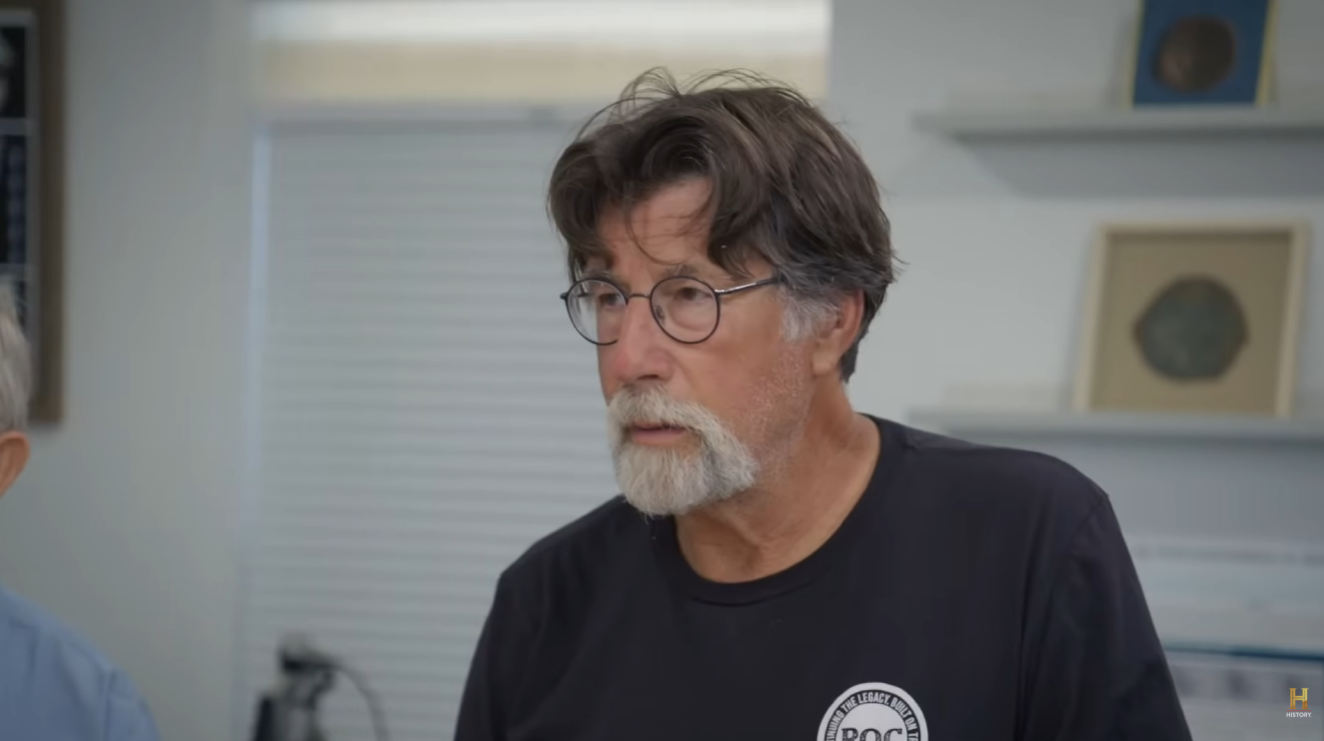
While the physical drilling provides the adrenaline rush, it is the forensic analysis in the war room that brings the team closer to confirming their findings. The team meets with experts from Prohawk Technology Group, who have enhanced video footage taken from inside a borehole drilled into the Peacock zone. The enhanced imagery reveals startling details that challenge the natural geological explanations that have long dominated the search for the treasure.
What the team sees is nothing short of groundbreaking: a cluster of stake-like pointed objects arranged with what appears to be human precision. Even more shocking is the discovery of a reflective, rectangular object that seems to be metallic in nature, standing in stark contrast to the surrounding limestone and clay. The expert assessment is unequivocal, with a probability of over 90% that these anomalies are man-made. For the first time, the team is looking at definitive evidence of human intervention deep within the island’s geology. The features seen in the video—sharp angles, structured timber—suggest that the Peacock area may not simply be a geological curiosity, but a deliberately designed chamber built to house the treasure.
The Swamp: A Man-Made Coverup
While the team is making waves in the Money Pit area, their investigation into the swamp is equally revealing. Rick Lagina and landowner Tom Nolan return to the northern region of the bog, where they have uncovered evidence suggesting that the swamp is not a natural wetland but rather a carefully engineered site meant to conceal the treasure. Previous findings, including a stone road and eight-sided survey stakes, have hinted at the existence of a man-made coverup, and this episode deepens that theory.
Gary Drayton, armed with his metal detector, uncovers a remarkable artifact: a gate snake or latch, a fixture used as far back as the 13th century. This discovery suggests that the area, now submerged, may have once been dry land secured by gates, possibly to protect the treasure or the infrastructure used to transport it. The team’s growing understanding of the swamp’s role in the treasure hunt suggests that the depositors took extraordinary measures to conceal their operations, flooding the area deliberately to obscure the treasure vault.