
It was followed by another, then another, until the road was filled not with placards or chanting crowds, but with farm machinery — heavy, slow, and impossible to ignore. Police attempted to divert the convoy. The tractors continued. By mid-morning, Westminster was facing something it had not seen before: a protest that did not look like a protest at all.
These were not professional campaigners. There were no coordinated slogans, no branded jackets, no stage-managed speeches. The people driving those tractors were farmers — men and women accustomed to starting work before dawn, not to standing outside Parliament. Many had never attended a demonstration in their lives.
The reason they were there was simple. They believed they had run out of ways to be heard.
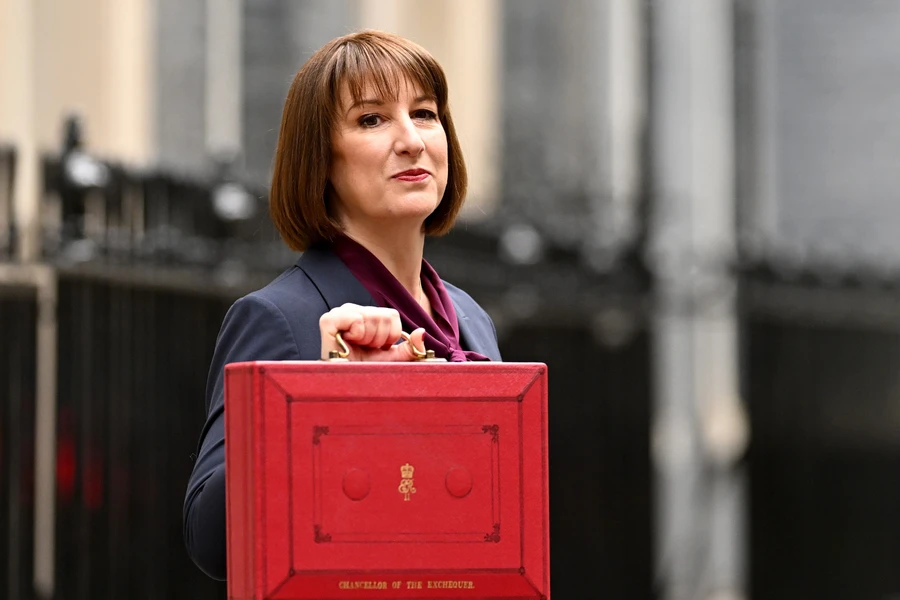
The spark for the protest was the government’s proposed reform to agricultural inheritance tax: a 20 per cent charge on farmland valued above £1 million. Announced as a technical adjustment designed to close a perceived loophole, the policy was presented as a measure that would affect only the wealthiest landowners.
But for farmers, the calculation looked very different.
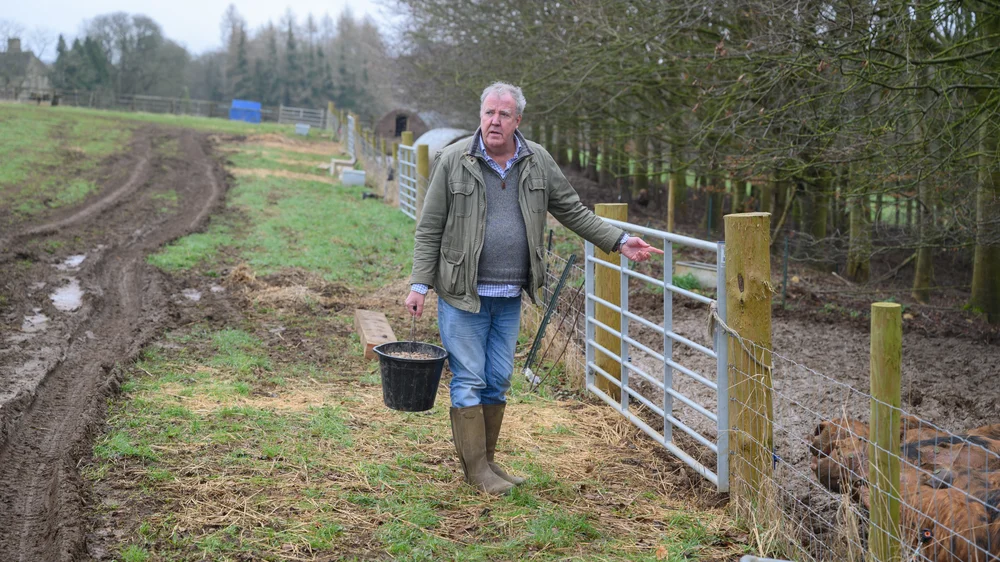
Farmland values have risen sharply over the past two decades, particularly in southern England, while farming incomes have not kept pace. A family farm can be worth several million pounds on paper while generating only modest annual income. When ownership passes between generations, that paper value becomes a real bill — one that cannot be paid without selling land or assets essential to the business itself.
It was this disconnect that brought the issue out of policy briefings and into public view, driven in part by Jeremy Clarkson, who has spoken openly about the financial realities of running his own farm in the Cotswolds.
Clarkson, best known for his television career, has insisted that his involvement was not political. He argued that the proposed tax was not aimed at people who could walk away from farming, but at those who could not — families whose land represents both their livelihood and their inheritance.
What gave his intervention traction was not his profile, but the clarity of the argument. On paper, the policy appeared neat. In practice, farmers said it presented an impossible choice: sell land to pay the tax and end the business, or keep the farm and risk insolvency.
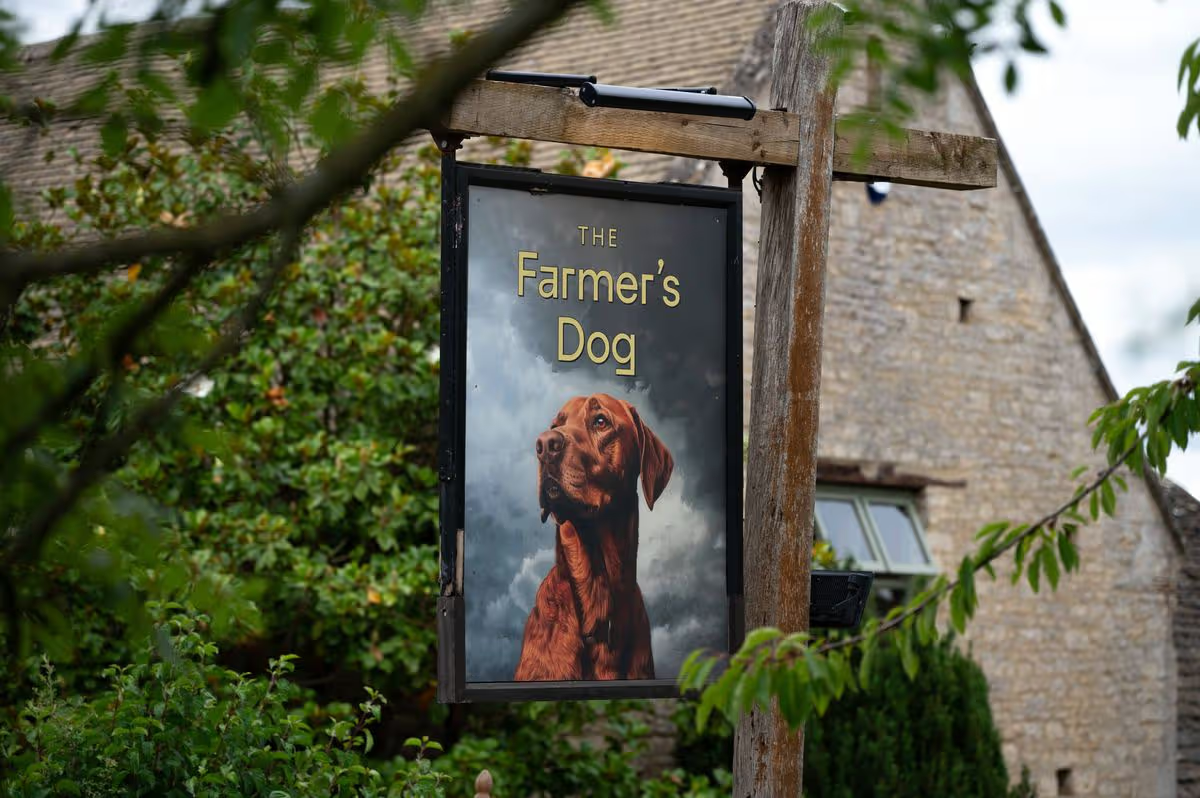
As the issue spread online, farmers began organising themselves, not through unions or formal campaigns, but through messages and informal networks. The instruction was simple: bring a tractor to London on November 19.
The scale of the response surprised everyone, including organisers. Thousands of tractors arrived from across England, Wales and Scotland, causing widespread disruption and forcing the issue onto the national agenda.
Initial government reaction was cautious, then defensive. Briefings suggested the protests were exaggerated, politically motivated, or driven by wealthy landowners. That narrative quickly faltered when farmers themselves began speaking publicly.
In television studios and radio interviews, farmers described their finances in detail: long hours, low margins, high debt, and land values that bore no relation to cash flow. One dairy farmer explained that despite an asset value running into millions, he earned less than the national minimum wage. Another spoke of a potential inheritance bill larger than the farm’s annual turnover.
The issue moved decisively when farmers announced a one-day suspension of food deliveries to major cities. The action was limited and temporary, but its impact was immediate. Supermarket shelves in parts of London and other urban centres emptied of fresh produce and dairy.
The effect was not panic, but awareness.
For many urban consumers, it was the first time farming policy had felt tangible. The debate shifted away from abstract fairness and toward practical consequence. Polling suggested support for the reforms weakened, not just in rural areas but in cities as well.
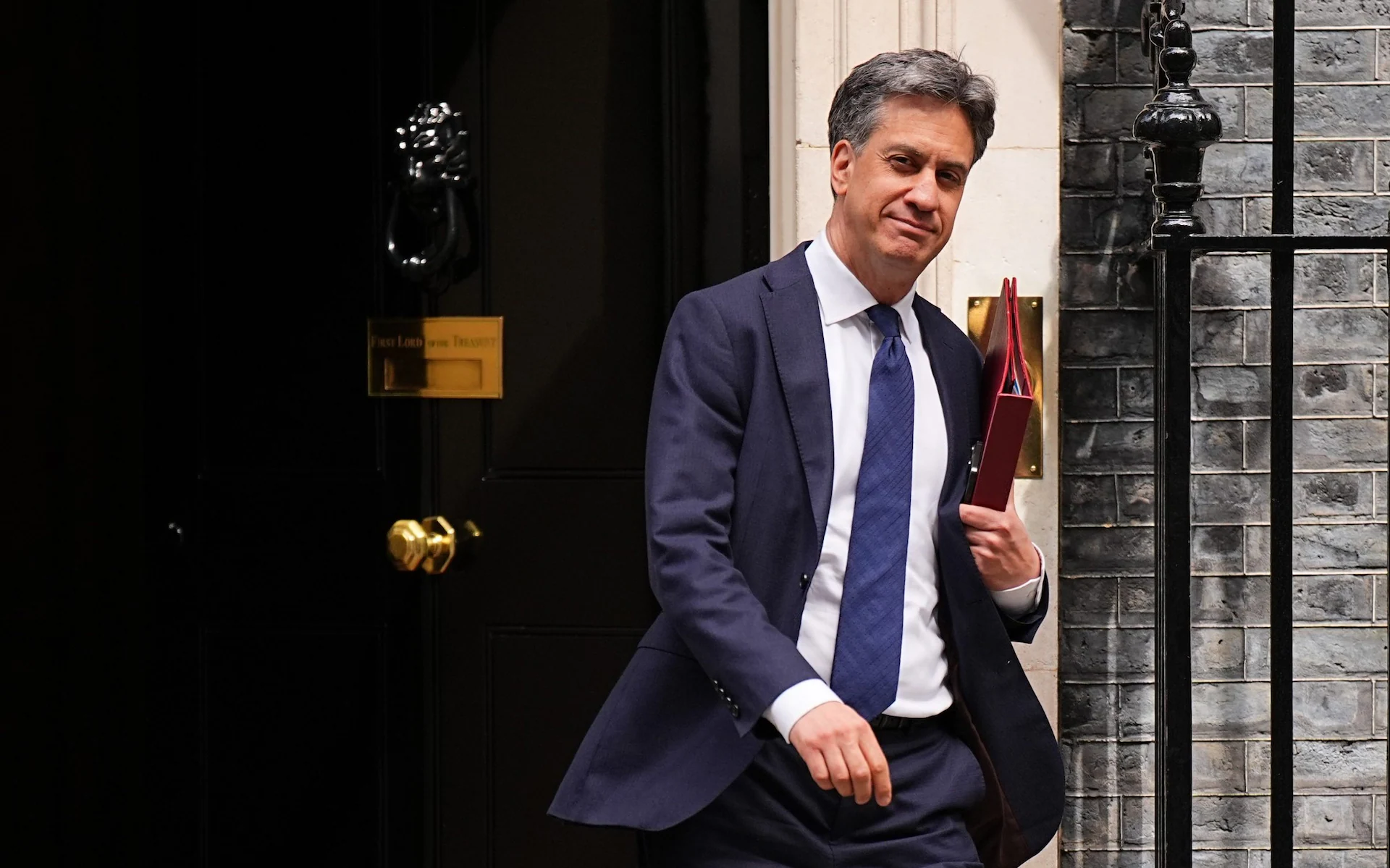
Within months, the government’s language softened. Without formally withdrawing the policy, ministers announced changes: higher thresholds, extended payment terms, and broader exemptions. In effect, most family farms were removed from the scope of the original proposal.
Officials insisted the revisions reflected ongoing consultation. Farmers described it differently.
What changed was not a technical detail, they said, but the recognition that farmland cannot be treated like passive wealth. It is a working asset, one that depends on continuity, not liquidation.
The episode left a lasting mark. While the immediate financial threat eased, trust did not recover quickly. Many in the farming community said the protests revealed how poorly rural life is understood by policymakers — and how easily essential industries can be overlooked when decisions are made at a distance.
For Clarkson, the episode reinforced a narrower point. He has said he did not set out to lead a movement, only to speak plainly about something he understood. The response, he argued, showed what happens when people who are usually invisible decide not to be quiet.
The tractors eventually left Whitehall. Traffic resumed. Parliament returned to routine business.
But the message remained.
Farming, long taken for granted, briefly became impossible to ignore. And Westminster was reminded that policies which appear tidy on paper can look very different when viewed from the field.
