Jeremy Clarkson Hits Back at Nigel Farage’s Work-From-Home Remarks With Blunt Response

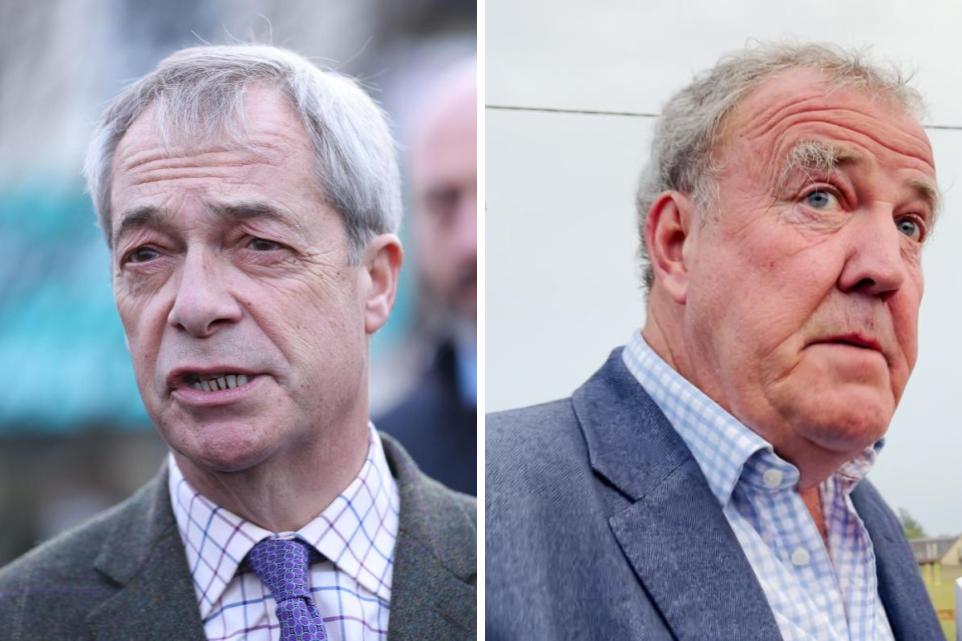
Jeremy Clarkson has once again ignited debate online after responding in characteristically unfiltered fashion to comments made by Nigel Farage about working from home.
The former Top Gear presenter, who now runs a 1,000-acre farm in the Cotswolds and stars in Clarkson’s Farm, reacted after his longtime friend and former script editor Richard Porter shared an article on X (formerly Twitter) quoting Farage.
The Reform UK leader had reportedly argued that the shift towards remote work and greater emphasis on work-life balance was misguided. According to the article, Farage claimed that “people aren’t more productive working from home” and dismissed the trend as “a load of nonsense.”
Porter fired back sharply, listing his own output while working remotely — including dozens of books, multiple television projects and a successful podcast — before bluntly telling Farage to back off.
Clarkson then amplified the exchange, adding his own provocative remark in reply to Porter. The comment, explicit in tone, quickly went viral and prompted thousands of reactions from followers. Supporters praised Clarkson’s irreverent humour, while critics accused him of lowering the tone of public discourse.
The exchange is the latest example of Clarkson’s unfiltered presence on social media, where he regularly weighs in on political and cultural debates.
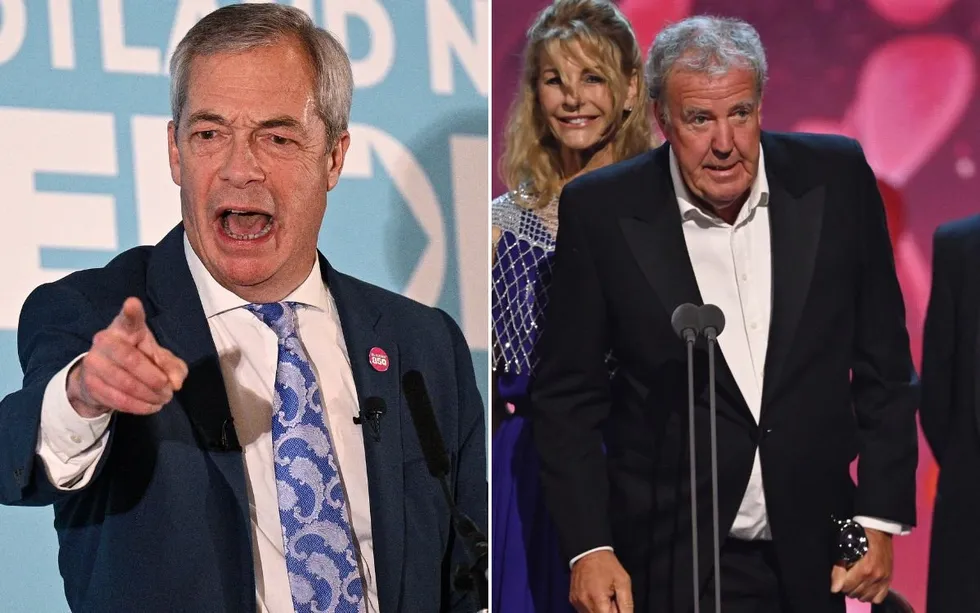
From Remote Work to Renewable Energy
Clarkson has also recently targeted commentary surrounding the UK’s energy policies and extreme weather events.
In January, Laura Tobin, meteorologist on Good Morning Britain, highlighted what she described as positive news emerging from a month of severe storms. According to a report citing energy think tank Ember, the UK’s wind turbines generated a record 10.6 terawatt-hours of electricity in January 2026 — more than any previous month.
The report suggested that the unusually high wind output helped reduce gas usage and cut costs by an estimated £164 million.
Tobin described it as “some good news from the recent windy weather.”
Clarkson, however, appeared unconvinced by the framing. In a terse online response, he suggested that celebrating energy gains during a period marked by red weather warnings, flooding and high winds missed a broader point.
January saw widespread disruption across parts of the UK, with the Met Office issuing severe weather alerts as strong winds and heavy rain battered multiple regions.
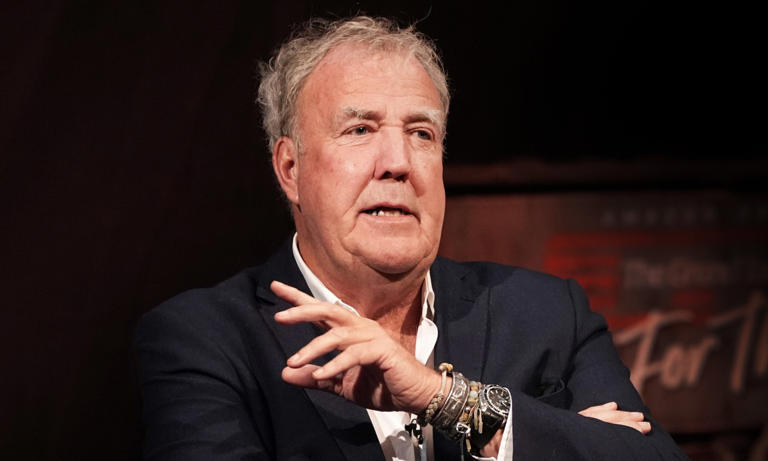
Farming Under Pressure
Clarkson’s sensitivity to extreme weather is perhaps unsurprising. As documented in Clarkson’s Farm, agricultural operations are heavily exposed to seasonal volatility.
Last summer, he described the year as the “worst ever” for his farm, citing prolonged heatwaves and drought conditions that damaged crops and slashed yields. Farmers across the country reported similar challenges, as shifting weather patterns continue to complicate planning and profitability.
The juxtaposition between record wind power production and destructive weather events reflects a broader tension in public discourse: balancing environmental transition goals with the lived experience of communities facing climate-related disruption.
Clarkson, who often positions himself as a voice for rural Britain, has repeatedly argued that policy discussions around climate, food production and energy must account for real-world consequences on farms and small businesses.
A Familiar Online Persona
For fans, Clarkson’s latest remarks are consistent with a long-established public persona — combative, irreverent and unapologetically outspoken. For detractors, they are further evidence of a style that thrives on provocation.
Either way, his responses continue to command attention.
As debates over remote working, energy policy and agricultural sustainability intensify in the UK, Clarkson shows no sign of stepping back from the conversation — even if his contributions often arrive wrapped in humour and controversy.