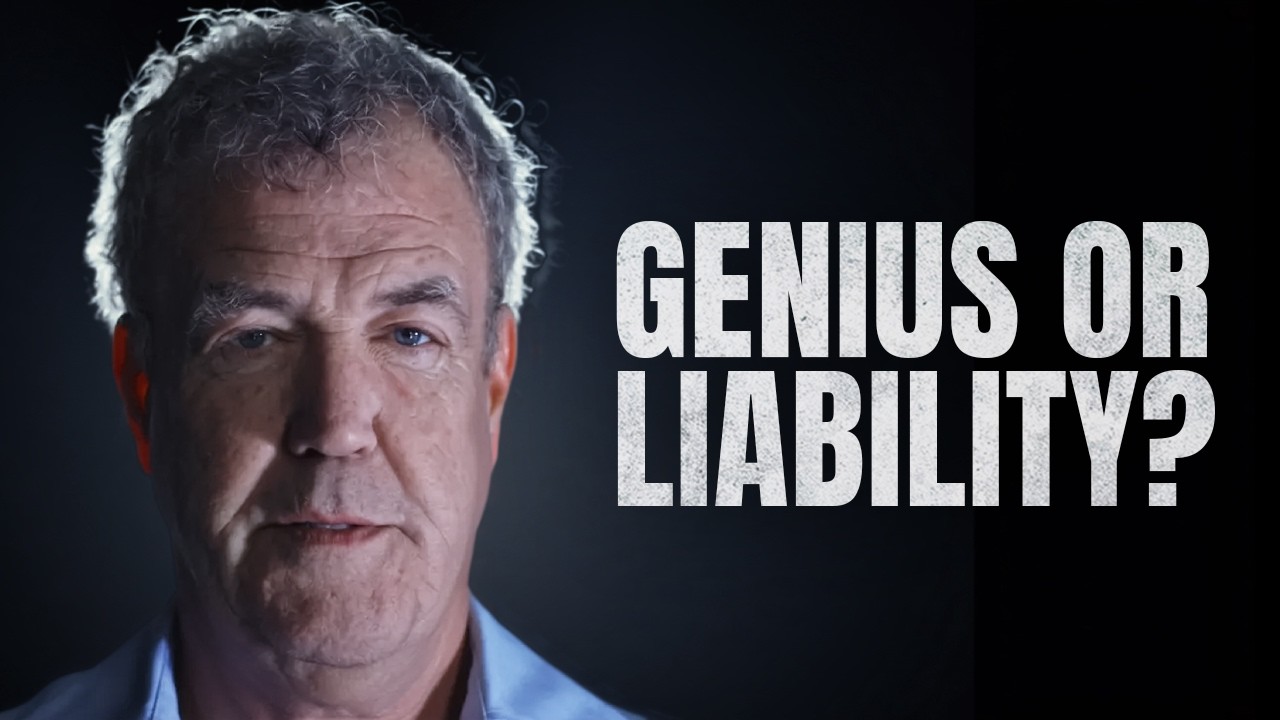
Few figures in British broadcasting have enjoyed a career as long, influential and commercially successful as Jeremy Clarkson. For more than three decades, his name has been synonymous with some of the most recognisable factual entertainment programmes ever produced in the UK. Yet alongside record-breaking audiences and cultural impact, Clarkson’s journey has also been marked by controversy, public backlash and repeated clashes with institutions and governments.
His career presents a study in contrast: unprecedented success on screen paired with recurring scandal off it.
The Top Gear Phenomenon
Clarkson’s rise to global prominence came through Top Gear, first in its original BBC Two format and later in its 2002 relaunch alongside Richard Hammond and James May. At its peak between 2007 and 2015, the programme was broadcast in more than 200 territories, reportedly attracting a weekly global audience of 350 million viewers.
Under Clarkson’s leadership, the show transformed from a conventional motoring magazine into a spectacle blending high-production car reviews, cinematic challenges and deliberately provocative humour. The chemistry between the three presenters became central to its appeal, drawing viewers who had little interest in cars but enjoyed the interplay and irreverence.
However, as ratings soared, so too did controversy.
Cultural Clashes and Escalating Backlash
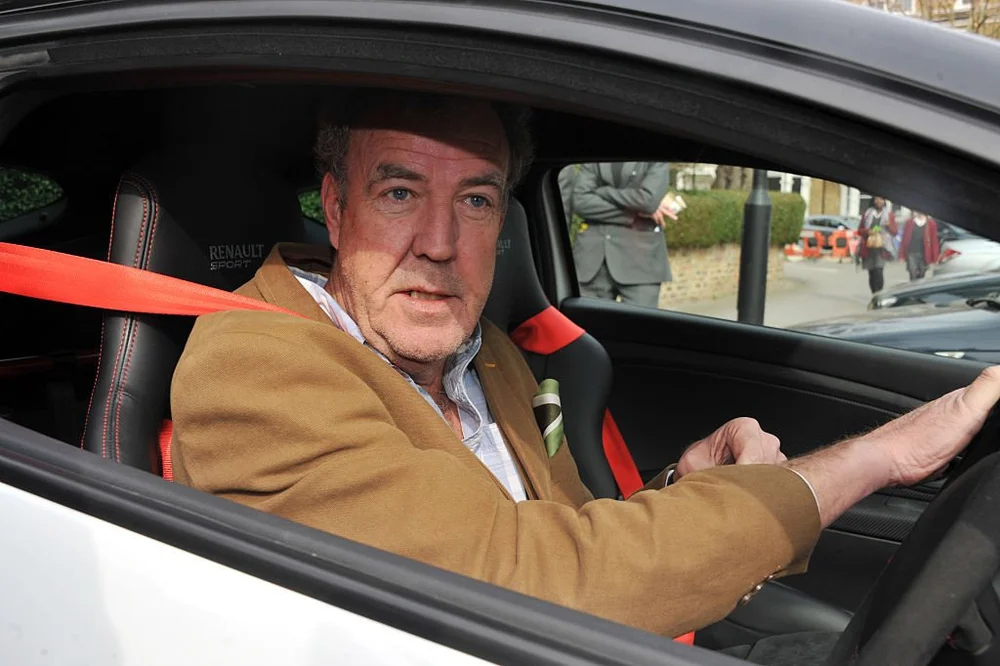
Throughout its run, Top Gear faced repeated criticism for remarks deemed offensive to various nationalities and communities. Incidents involving comments about Germany, Mexico, India and Argentina drew formal complaints from ambassadors and regulators.
The 2014 Patagonia special proved particularly volatile. A vehicle registration plate was interpreted locally as a reference to the Falklands War, sparking protests and forcing the crew to abandon filming and leave Argentina under tense circumstances. Although a later investigation found no deliberate provocation, the episode underscored how fragile the boundary between satire and diplomacy had become.
Clarkson and the BBC repeatedly defended the programme as entertainment not intended to be taken literally. Regulators often agreed. Yet fatigue within the corporation was increasingly apparent.
The Incident That Ended an Era
The end of Clarkson’s time at the BBC did not ultimately stem from cultural controversy but from personal conduct.
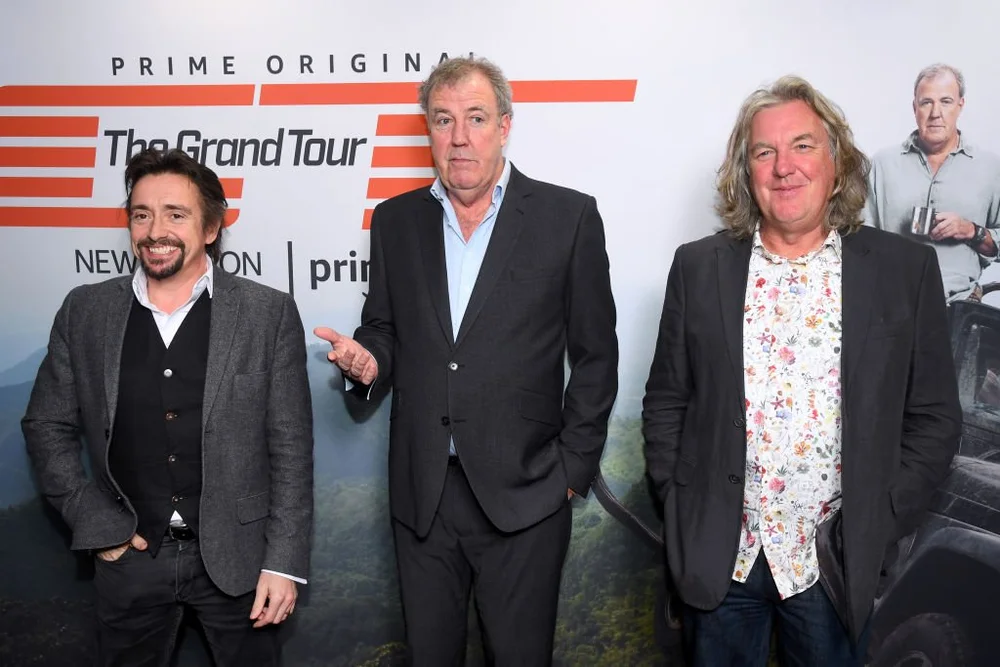
In March 2015, he was dismissed after an altercation with producer Oisín Tymon following a filming dispute. The BBC declined to renew his contract, and Hammond and May subsequently resigned in solidarity. A petition signed by more than a million supporters failed to reverse the decision.
The dismissal brought an abrupt end to what many consider the golden era of Top Gear. Later BBC revivals struggled to replicate its previous dominance.
Reinvention on Amazon
Clarkson, Hammond and May swiftly regrouped on Amazon Prime Video with The Grand Tour. While retaining much of their previous format, the tone was widely seen as more restrained. The series ran from 2016 until 2024, remaining commercially successful though less culturally dominant than its predecessor.
Clarkson also continued writing his long-running column for The Sun. In December 2022, one article about Meghan, Duchess of Sussex, prompted more than 25,000 complaints to the Independent Press Standards Organisation. The piece was removed, and Clarkson issued a public apology. The episode renewed debate over the limits of satire and the responsibilities of prominent commentators.
Amazon indicated it would scale back its association with Clarkson in certain projects, though existing commitments continued.
Clarkson’s Farm and a Shift in Perception
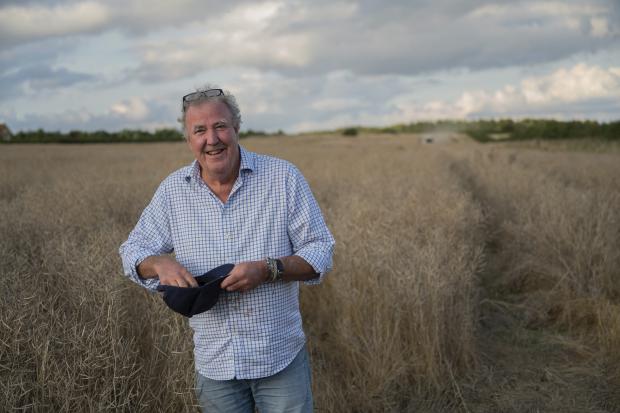
In 2021, Clarkson surprised critics and supporters alike with Clarkson’s Farm, documenting his attempts to run Diddly Squat Farm in Oxfordshire. The unscripted series struck a markedly different tone from his motoring work.
Instead of provocation, viewers saw a novice farmer navigating bureaucracy, volatile weather and narrow profit margins. The programme drew widespread praise for highlighting the economic realities facing British agriculture. Applications to agricultural courses reportedly rose following the show’s debut.
Clarkson became an unlikely advocate for rural communities, particularly during a bovine tuberculosis outbreak that forced him to cull livestock. His criticisms of regulatory systems resonated with many farmers.
Polarising but Enduring
Clarkson remains a divisive public figure. Supporters credit him with revitalising motoring television, reshaping factual entertainment and shining a spotlight on farming challenges. Critics argue that repeated controversies reveal a pattern of offensive rhetoric and poor judgment.
Yet his commercial appeal endures. Clarkson’s Farm consistently ranks among Prime Video’s most-watched UK series, and he continues to host Who Wants to Be a Millionaire?
Whether viewed as provocateur, entertainer or agricultural advocate, Clarkson’s career illustrates the complexities of modern celebrity: the tension between brand-building controversy and genuine public impact.
As he moves further into his sixth decade in broadcasting, one fact remains clear — few figures have shaped British television quite so dramatically, or so contentiously.
