
There is a fundamental flaw in the government’s approach to Net Zero that threatens to destroy British farming. As a policy that aims to reduce emissions, Net Zero has become a set of regulations that are out of touch with the realities of farming life. These policies, championed by figures like Ed Miliband, have been designed without any real understanding of the challenges faced by farmers on the ground.
Miliband and others who support the Net Zero agenda have never stepped foot on a farm, never felt the struggle of watching a year’s worth of work disappear because of a broken machine, and never had to pray for good weather during harvest. Instead, they sit in Westminster, discussing technological innovation and transition, far removed from the daily reality that farmers face. For them, farming is a theoretical exercise, but for those of us who rely on it to live, it’s a matter of life and death.
The truth about farming is this: it has no pause button. Harvesting is a race against the clock. If the weather doesn’t cooperate, if the crops aren’t ready, or if the machinery breaks down at the wrong moment, there is no second chance. This is something the policy makers in London never consider when drafting rules about sustainability and climate change. They talk about the future, about promises of technological advancements, but the reality is that those promises don’t help farmers in the moment of need. A diesel tractor works; it’s reliable, and when you fuel it and turn the key, it runs. An electric tractor, on the other hand, works for four hours at best, then needs eight hours to recharge—if you’re lucky enough to have a power supply in the middle of a field. Meanwhile, the clock is ticking, and the rain is falling.

Farmers don’t get to wait for technology to catch up; they need the machines to work when they’re needed. But Net Zero policies are pushing farmers to use tools that simply aren’t ready for the reality of modern farming. Electric tractors may be a good idea in theory, but in practice, they’re impractical for the unpredictable, high-pressure demands of the job. The policies being enforced are pushing farmers toward the edge—not helping them transition to a greener future.
Another hidden flaw in the Net Zero strategy is the damage it causes by ignoring the international side of food production. The UK’s net-zero strategy focuses only on emissions within the country’s borders, conveniently ignoring the environmental costs of importing food from abroad. The UK may reduce domestic emissions by cutting down on local farming production, but what happens when food is shipped in from far-flung corners of the globe? Beef from South America, grain from Eastern Europe, and vegetables grown under lax environmental standards—all of which have a far higher carbon footprint than the produce grown by local farmers. But because these emissions occur outside of the UK, they don’t count toward the country’s carbon target. The result is that British farmers, who try to meet stricter environmental standards, are at a competitive disadvantage. Imported food, which is often produced under less strict environmental rules, becomes cheaper and more appealing.

This policy doesn’t save the environment; it just shifts the problem to other countries. It’s carbon bookkeeping—moving the emissions offshore while pretending the problem no longer exists. The irony is cruel. The farmers who have worked hardest to comply with environmental regulations are the ones being punished first. They invested in cleaner systems, accepted stricter inspections, and followed every new rule, only to find themselves outcompeted by cheaper imports from countries with weaker regulations.
Perhaps the most disturbing aspect of the Net Zero strategy is the lack of accountability. When policies fail, those in Westminster are not personally affected. They can issue reports, hold consultations, and learn lessons for next time. For farmers, however, failure means the loss of everything. When fuel prices rise, when machinery costs go up, farmers don’t issue statements—they absorb it. They work longer hours, borrow money, and push themselves to the brink to keep their farms afloat. But when bad years stack up, the consequences are real. A failed harvest, a second one, and a third—each of them pushes a farm closer to the edge. This is how farms die—not with protests or headlines, but quietly, one loan extension at a time.
Farms are not temporary projects that can be rebooted when things go wrong. Once land is sold, it’s rarely returned to production. Once skills are lost, they’re gone for good. Family farms, once gone, do not come back. Yet policy makers continue to treat farming as something that can be easily redesigned, as if it’s a sector that can be tinkered with until it’s “optimized.”
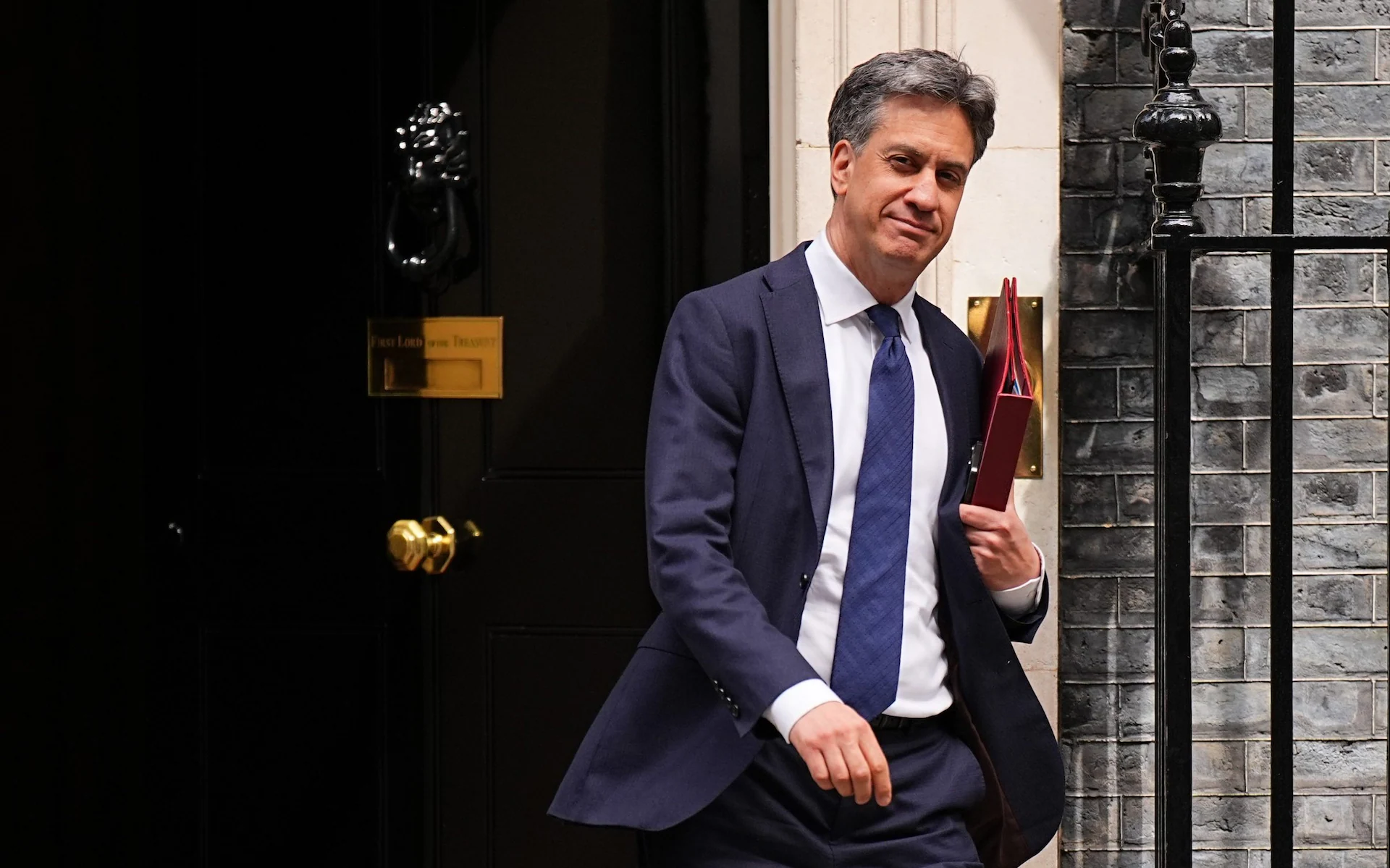
There is a stark difference between how policy makers and farmers experience failure. When policies fail in Westminster, those responsible are not held personally accountable. When a farm fails, it’s permanent. This imbalance is what drives the relentless wave of policy changes that undermine the very fabric of British agriculture.
We must stop pretending that Net Zero is about saving the planet. If it were, emissions would be measured globally, not just domestically. We would prioritize producing food as locally as possible, ensuring resilience over simplistic emissions targets. Instead, we are seeing a gradual redesign of British farming, and it’s being done quietly, with little public debate or accountability.
The consequences of this policy are far-reaching. As smaller, family-run farms close down, Britain’s food security is gradually handed over to global supply chains. We’ll still have food, but it will arrive on someone else’s terms. The irony is brutal: a policy sold as responsible environmentalism is, in reality, creating a more fragile, dependent food system.
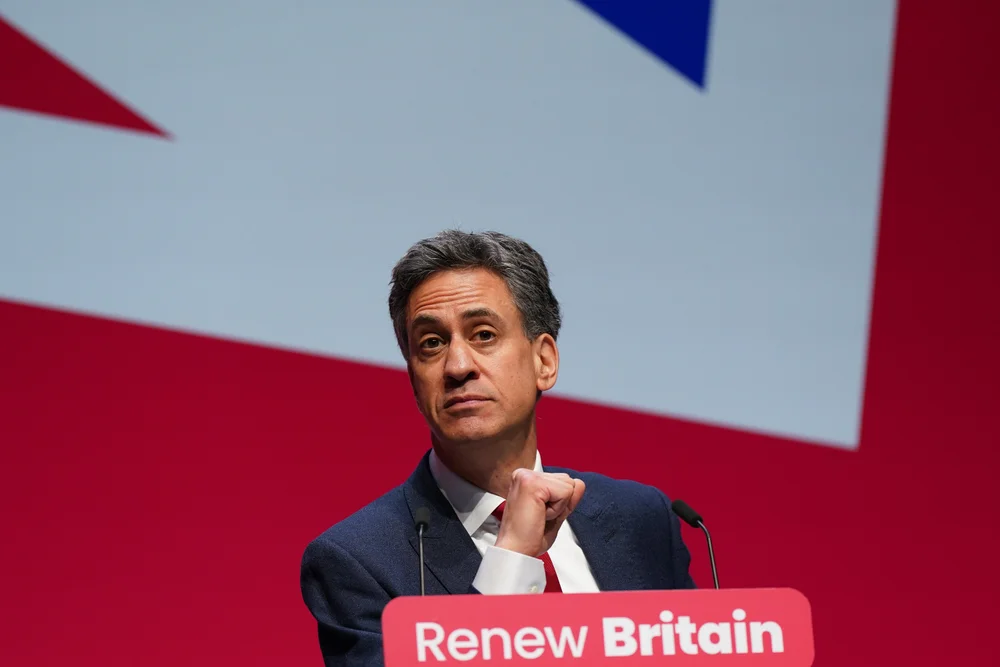
This isn’t about rejecting environmental responsibility—it’s about understanding the reality of how food is produced. The policies that work in theory don’t always hold up in the real world. And farming, more than any other industry, operates in the real world. Weather, time, risk, and consequences—these are the factors that shape farming every day. Ignore them, and no target will save you.
Farmers need policies that work for them, not against them. We need to stop redesigning farming from the top down, based on theories and targets that don’t take the real-world consequences into account. If you care about the future of farming in Britain, it’s time to speak up. Let’s make sure the policies we’re implementing are built for the reality of the land, not just the politicians.
