Jeremy Clarkson clashes with BBC over farm tax protest as he urges ministers to reverse inheritance changes

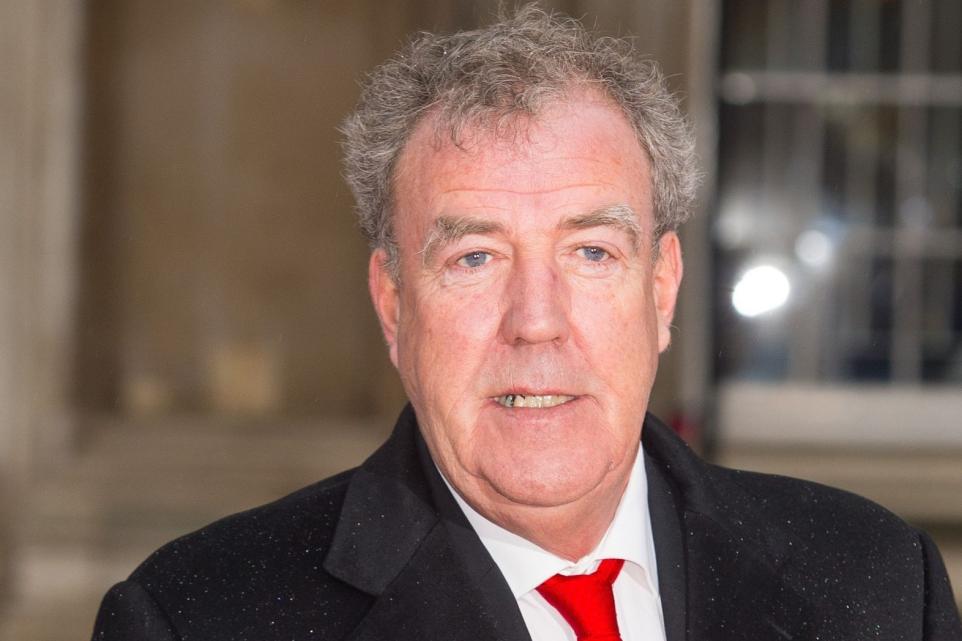
Jeremy Clarkson has renewed his outspoken criticism of the Government’s inheritance tax changes for farms, using a heated exchange during a BBC interview to argue that ministers are targeting rural families while failing to understand the realities of modern farming.
The broadcaster and Clarkson’s Farm star appeared at a protest in support of farmers, where he was challenged over his own motives for speaking out. During the exchange, Clarkson insisted the issue was no longer simply about his own finances, but about what he sees as an unfair policy that could place extra pressure on farming families across the country.
Asked why he had joined the demonstration, Clarkson said he was there to support farmers. When pressed on whether he was still angry, he rejected the suggestion that he was acting on someone else’s behalf, but also made clear he believed the wider agricultural community had strong reasons to oppose the changes.
The interview quickly turned confrontational when the presenter raised Clarkson’s earlier comments about buying a farm partly because of inheritance tax advantages. Clarkson, visibly irritated, accused the BBC of returning to an old line of attack and said the issue had been oversimplified.

He argued that while owning farmland had once come with tax advantages, wealthy people with sufficient means would still be able to protect assets through other legal arrangements, such as trusts, provided they planned far enough in advance. In his view, that means the burden of the policy would fall less on the very wealthy than ministers claim, while creating new complications for others who may have fewer options and less time to restructure family businesses.
Clarkson also mocked the argument that the reform is aimed at stopping affluent buyers from using farmland as a tax shelter. He said that, in practice, people with resources will continue to find ways around it, while those working farmers whose land is tied up in their business will be forced into difficult decisions about succession, ownership and future viability.
The former Top Gear presenter was equally dismissive of the Government’s claim that the policy is needed to raise money for public services. In one of the most striking moments of the exchange, Clarkson pointed to his own recent experience of needing urgent medical care, saying he had suffered a heart attack and knew first-hand the pressures facing the health service. But he suggested that taxing farmers was not the answer to those broader funding problems.
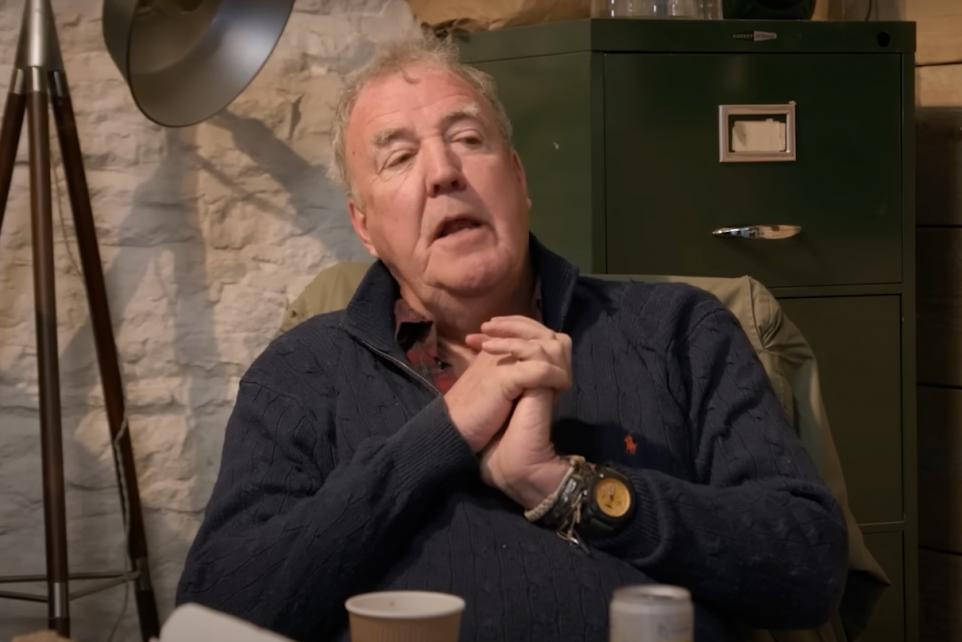
Instead, Clarkson argued that the Government should look elsewhere for savings and revenue. He claimed ministers had already found tens of billions of pounds and suggested that inefficiency within the civil service was a more obvious target than family-run farms. In blunt terms, he said that if officials cannot explain what some roles are for, those positions should be questioned before rural businesses are asked to carry a heavier burden.
At the centre of the dispute is the political argument over how many farms will actually be affected by the inheritance tax changes. Clarkson strongly disputed official suggestions that only a small proportion of working farms would face new exposure. In the interview, he openly challenged the figures being used, saying he did not believe the reassurances being offered by ministers reflected the reality on the ground.
The exchange captured the increasingly sharp tone of the national debate around agricultural taxation. For ministers, the case is that tax reliefs should not be used to shield significant wealth indefinitely, especially at a time when the public finances are under strain. For critics such as Clarkson, the danger is that policymakers are treating farmland like a passive asset, rather than the foundation of businesses that are often cash-poor despite appearing valuable on paper.
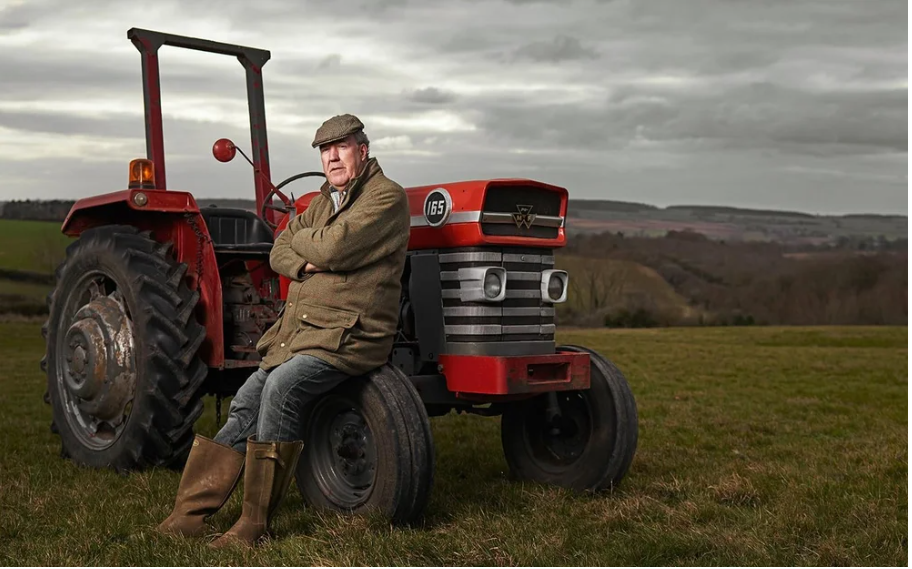
That distinction has become central to the argument made by farmers and campaigners. A farm may be worth a large sum in land value, but that does not necessarily mean the family running it has the liquid cash needed to meet a major tax bill without selling land, breaking up the business or increasing debt. Clarkson has repeatedly used his platform to say that this is the reality ministers are failing to grasp.
His intervention is also notable because it comes from a figure whose relationship with the farming world began as a television storyline and has since developed into a louder form of advocacy. Through Clarkson’s Farm, he has reached audiences far beyond the agricultural sector, helping bring issues such as subsidies, weather pressures, regulation and succession planning into mainstream discussion.
That visibility has made him a useful ally for some campaigners and a controversial one for others. Critics point to his wealth and public remarks from previous years, while supporters argue that his celebrity has helped draw national attention to a policy debate that might otherwise remain confined to rural circles.
What was clear from this latest exchange is that Clarkson has no intention of softening his position. His message to ministers was direct: back down. In his view, the inheritance tax changes risk creating long-term damage in the countryside while doing little to stop the wealthiest from protecting themselves.
For now, the Government shows no sign of changing course. But if Clarkson’s angry BBC appearance is any indication, the argument over who should pay, who can afford to pay, and what counts as fairness in rural Britain is only becoming more intense.