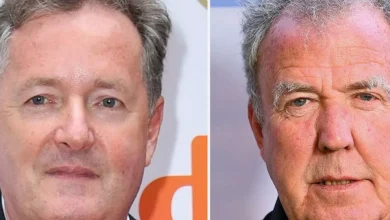
How celebrity farming became a lucrative second act — and why the wealth rankings may surprise viewers

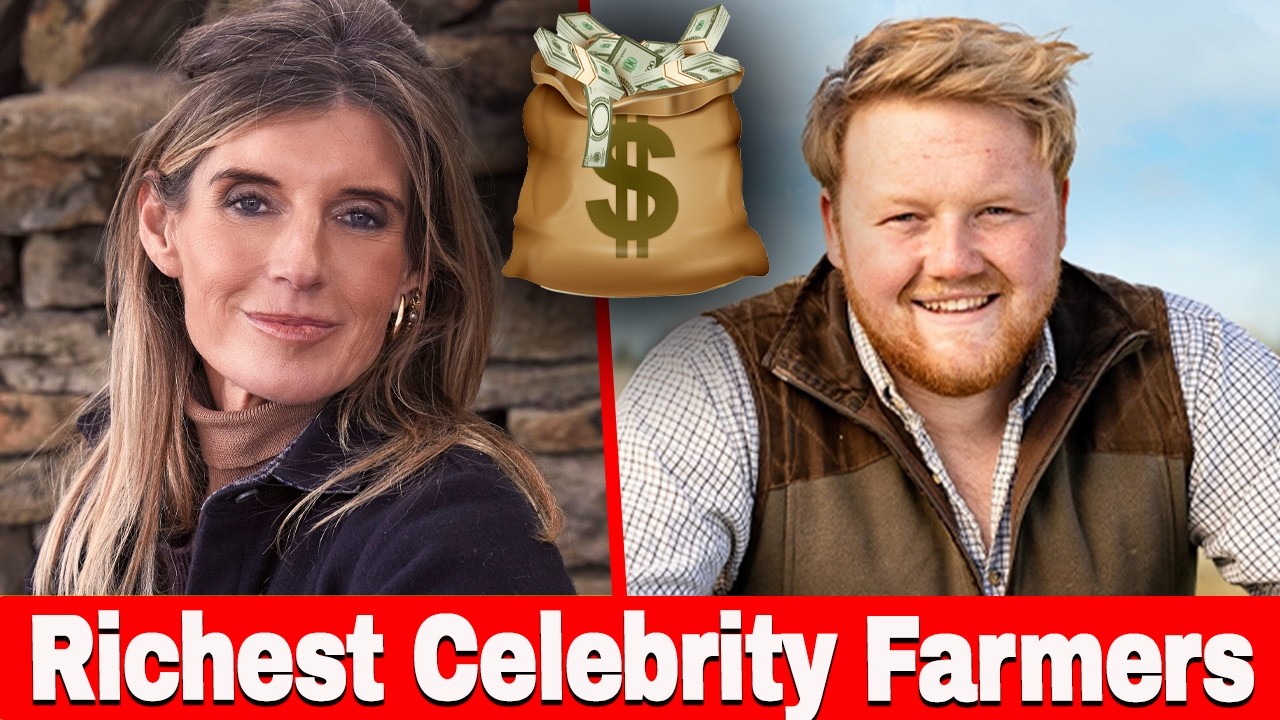
Once seen as the opposite of showbusiness glamour, farming has become one of the most unexpected celebrity status symbols in British popular culture. A world once associated with early mornings, hard labour and uncertain returns is now regularly packaged for primetime television, social media and book deals. Muddy boots, stubborn livestock and difficult harvests have become part of a new form of entertainment — and for some familiar faces, a serious business opportunity.
But when audiences look at the names most associated with celebrity farming, the financial picture is not always what they expect.
A growing number of online rich lists have tried to rank the best-known stars linked to rural life. On the surface, the order should seem obvious: the biggest household names ought to sit comfortably at the top. Yet once company filings, reported assets and outside income streams are taken into account, fame alone does not always translate into the largest fortune.
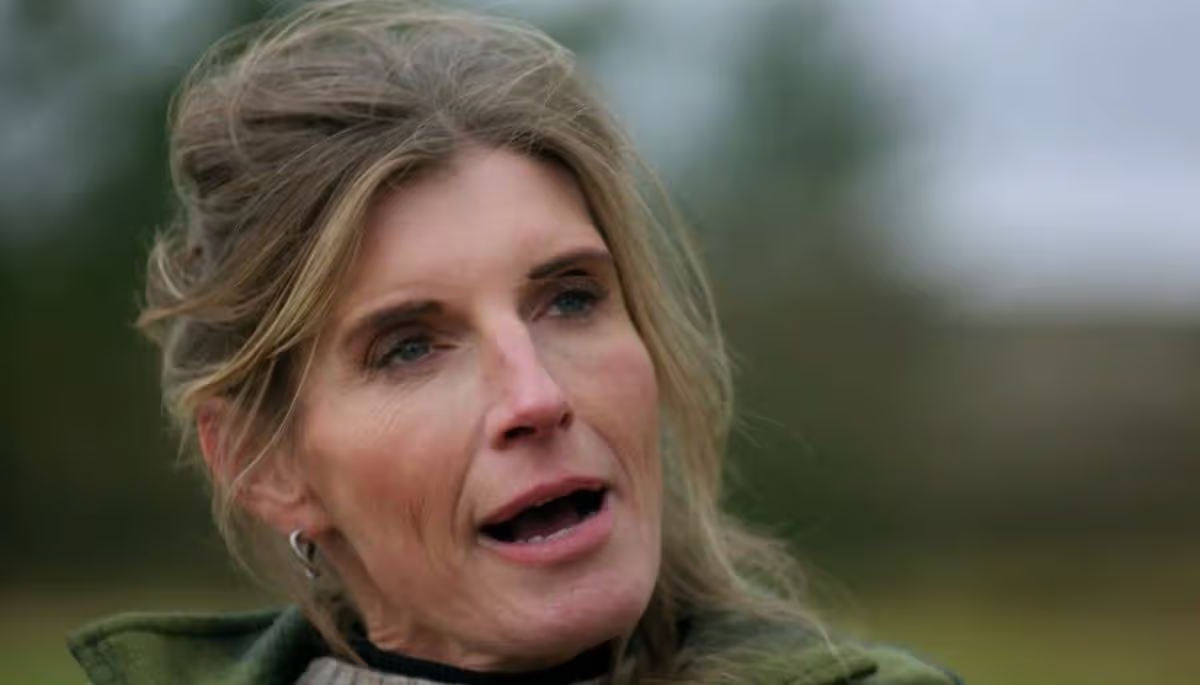
Amanda Owen is one of the clearest examples of that divide. Best known to many viewers as the Yorkshire Shepherdess, she built a powerful public image around Raven Seat Farm, family life in the Yorkshire Dales and years of television exposure that helped make remote rural living feel both warm and aspirational. Her profile is substantial, and her name carries real commercial value through publishing, appearances and partnerships.
Even so, public filings linked to Yorkshire Shepherdess Ltd have suggested net assets in the hundreds of thousands rather than the tens of millions sometimes associated with celebrity wealth. That does not make the business insignificant. It simply places it in a different category from media empires built over decades. Owen’s success reflects a strong personal brand, but not necessarily the kind of fortune that pushes someone into the top tier of celebrity earners.
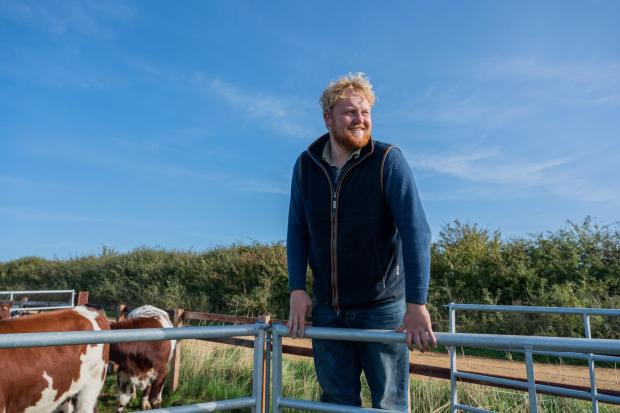
Kaleb Cooper represents a very different story — and a much faster rise. Introduced to a wide audience as the practical, grounded young farmer on Clarkson’s Farm, Cooper quickly became one of the show’s breakout personalities. What began as television exposure has increasingly developed into a broader commercial platform, including books, live tours, merchandise and a growing media presence.
That shift has prompted fresh interest in the financial side of his career. Reports surrounding company filings have pointed to his media business building meaningful value, with equity figures often cited as evidence that he is no longer simply a farm worker in the public eye. He has become a marketable figure in his own right, turning popularity into multiple revenue streams in a way that many newer television personalities struggle to achieve.
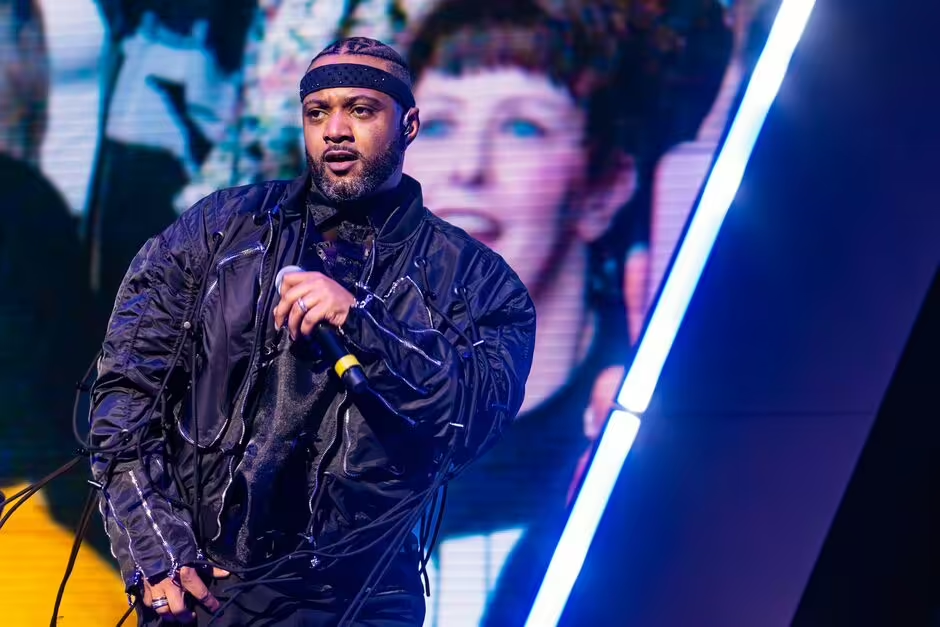
Then there is JB Gill, whose place in the celebrity farming conversation still catches some viewers off guard. Many continue to associate him first with pop success as a member of JLS, but Gill has spent years building a genuine connection to agriculture. Rather than treating the countryside as a temporary television backdrop, he has integrated farming into his long-term working life, including involvement in KellyBronze turkey products and wider rural broadcasting.
His reported net worth varies widely depending on the source, which is common with celebrity estimates. But the more important point is that Gill’s farming identity appears to be rooted in something more durable than novelty. He did not simply step into a field for a format; he made rural enterprise part of his portfolio.
Kelvin Fletcher has also managed to turn farming into a major second chapter. After years of recognition as an actor, he successfully repositioned himself in the public imagination through a family-centred rural narrative. Fletcher’s Family Farm helped establish that new identity, giving viewers a picture of agricultural life tied not just to personal reinvention, but to family business and long-term commitment.
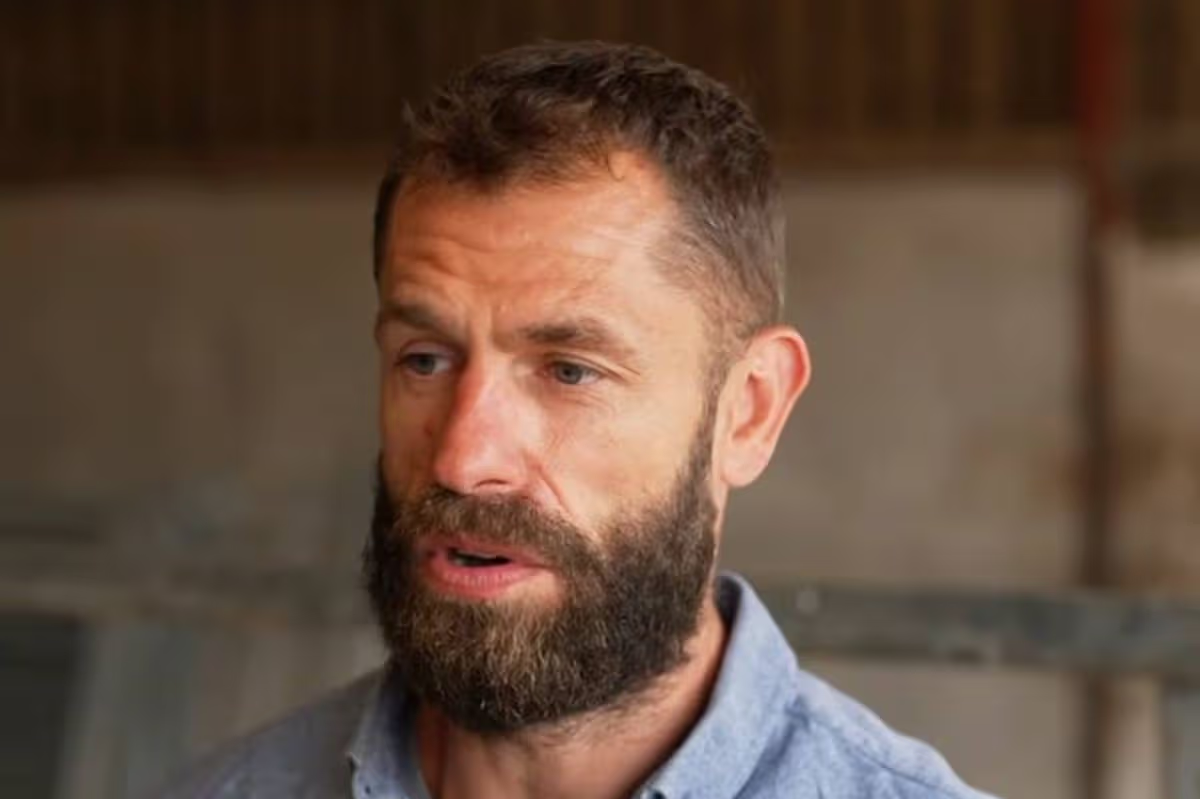
That matters financially as well as culturally. Although exact figures remain difficult to pin down, Fletcher is frequently placed in the multi-million-pound bracket, helped by television work, media visibility and the expanding value of his public persona. In his case, farming has become both a lived reality and a television-ready extension of an already successful career.
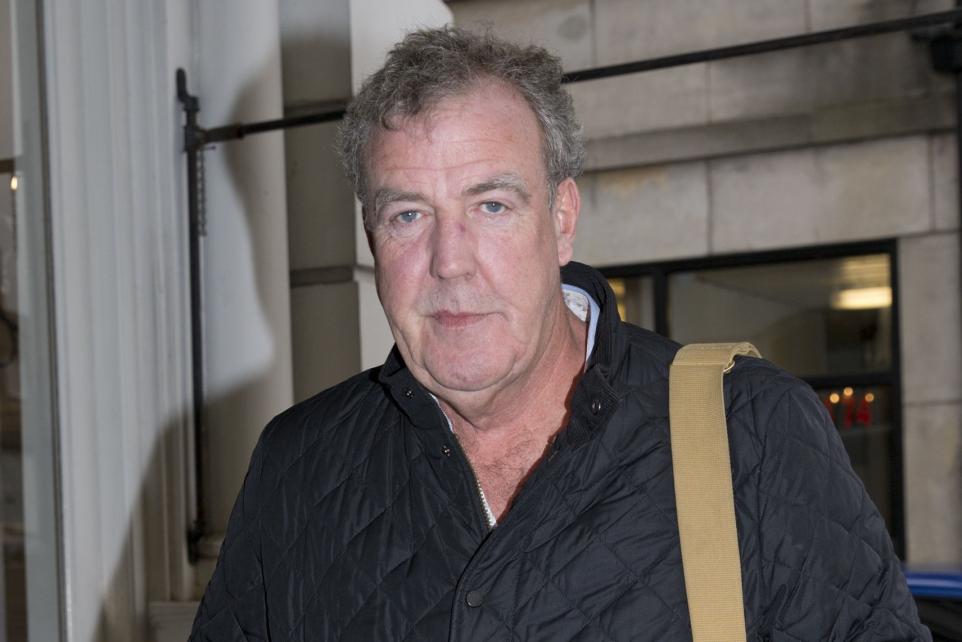
At the top of most rankings sits Jeremy Clarkson, and here the gap becomes especially clear. Clarkson’s prominence in celebrity farming has little to do with agriculture being the original source of his wealth. Long before Diddly Squat became a national talking point, he had already built a fortune through motoring television, newspaper columns and major broadcasting deals.
That is why estimates often place him far above the rest, at around £55 million. Farming did not create his wealth. Instead, it gave him a new stage on which to perform, allowing audiences to see a different side of a broadcaster already known across Britain and beyond. In business terms, the farm became another successful chapter in a much larger media career.
The broader lesson from these rankings is that celebrity farming is rarely just about the land. It sits at the intersection of entertainment, branding and business structure. For some, the farm is part of a wider commercial machine. For others, it is a genuine working lifestyle that has been amplified by fame.
That is why the richest celebrity farmers are not always the ones viewers instinctively place first. Public affection, recognisable faces and social media attention can create the impression of enormous wealth, but filings and reported assets often tell a more measured story.
What remains clear, however, is that farming now carries a cultural value it once lacked in mainstream entertainment. Whether that renewed attention leads to deeper respect for the realities of rural life is another question. For now, celebrity farming continues to thrive because it offers both familiarity and contrast: famous people stepping into a world that still feels unpredictable, difficult and real.