Oak Island team’s Azores trip adds weight to theory of Portuguese link to island mystery

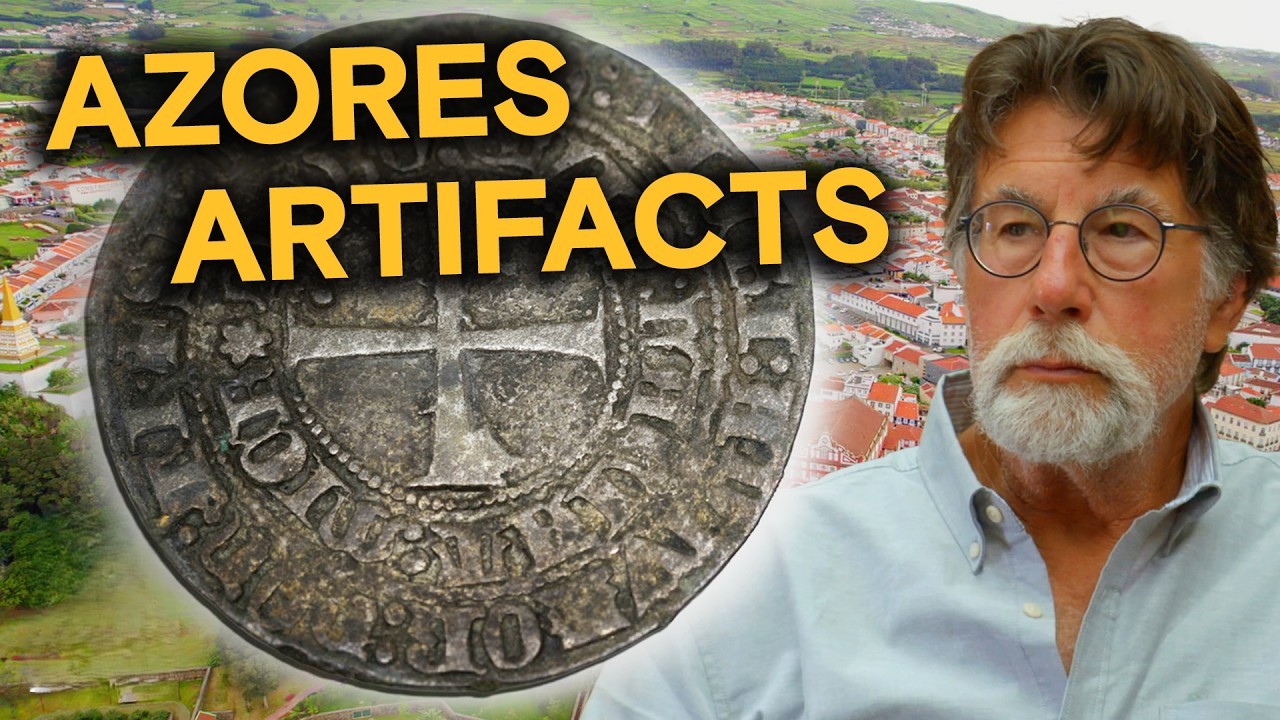
The search for answers on The Curse of Oak Island took a significant turn far from Nova Scotia, as Rick Lagina and members of the team travelled more than 2,000 miles to the Azores in Portugal to investigate whether the islands may hold an important clue to Oak Island’s possible pre-Columbian past. Their trip to Terceira focused on a long-debated theory: that members of the Portuguese Order of Christ, often linked to the later legacy of the Knights Templar, may have used the Azores as a staging point before transporting sacred or valuable objects westward to Oak Island between the 14th and 16th centuries.
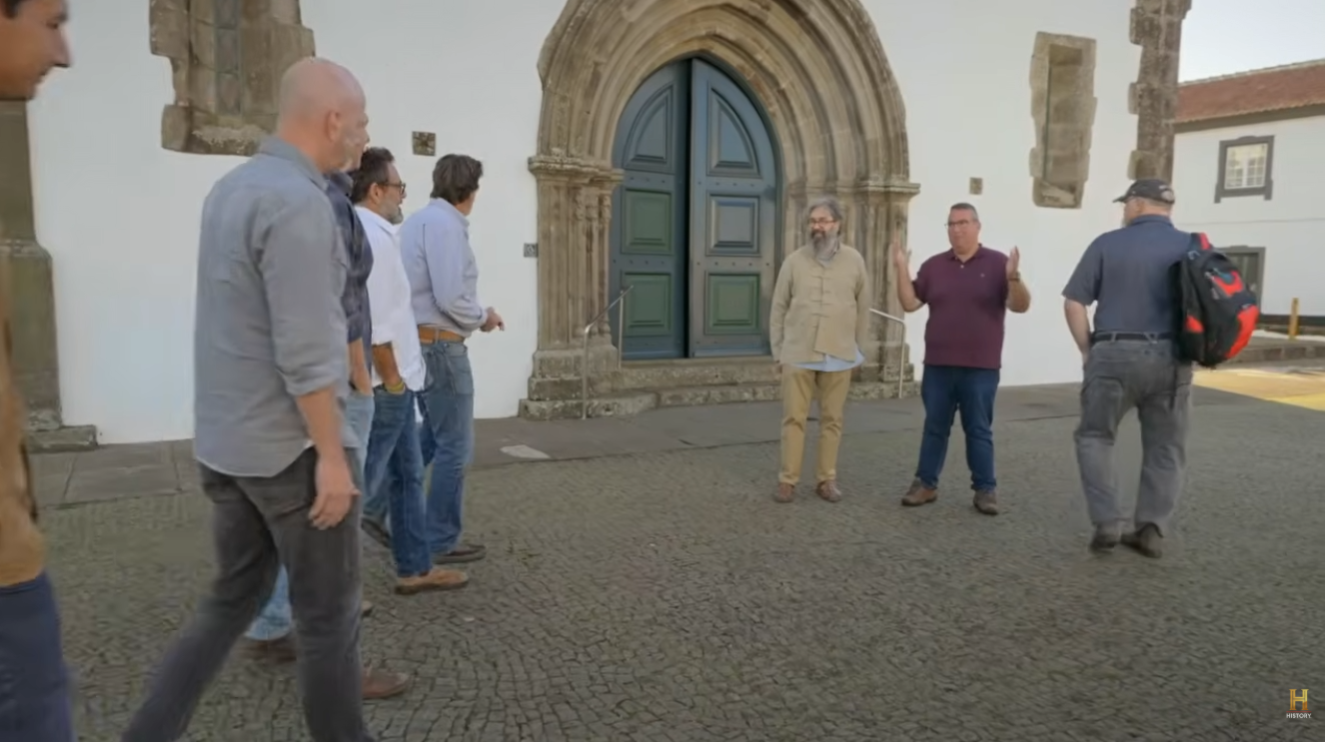
At the centre of the visit was the Angra do Heroísmo Museum, where the team met with local historian Francisco and archaeologist Tiago Rodrigues. The goal was not simply to compare symbols or speculate about history, but to see whether material found on Oak Island fits within a broader Portuguese and Azorean timeline. For a team that has spent years chasing fragments of evidence, the trip represented another attempt to test whether the island’s mystery may connect to a much wider Atlantic story.
One of the most striking points of discussion involved a Portuguese coin dating to the late 1300s. Team members noted that if such an object had passed through the Azores before reaching Oak Island, it would suggest activity roughly 50 years before the commonly accepted date of the Azores’ official discovery and settlement. That possibility matters because it would support the idea that seafarers may have known about, and possibly used, Atlantic routes and stopovers earlier than standard historical timelines suggest.
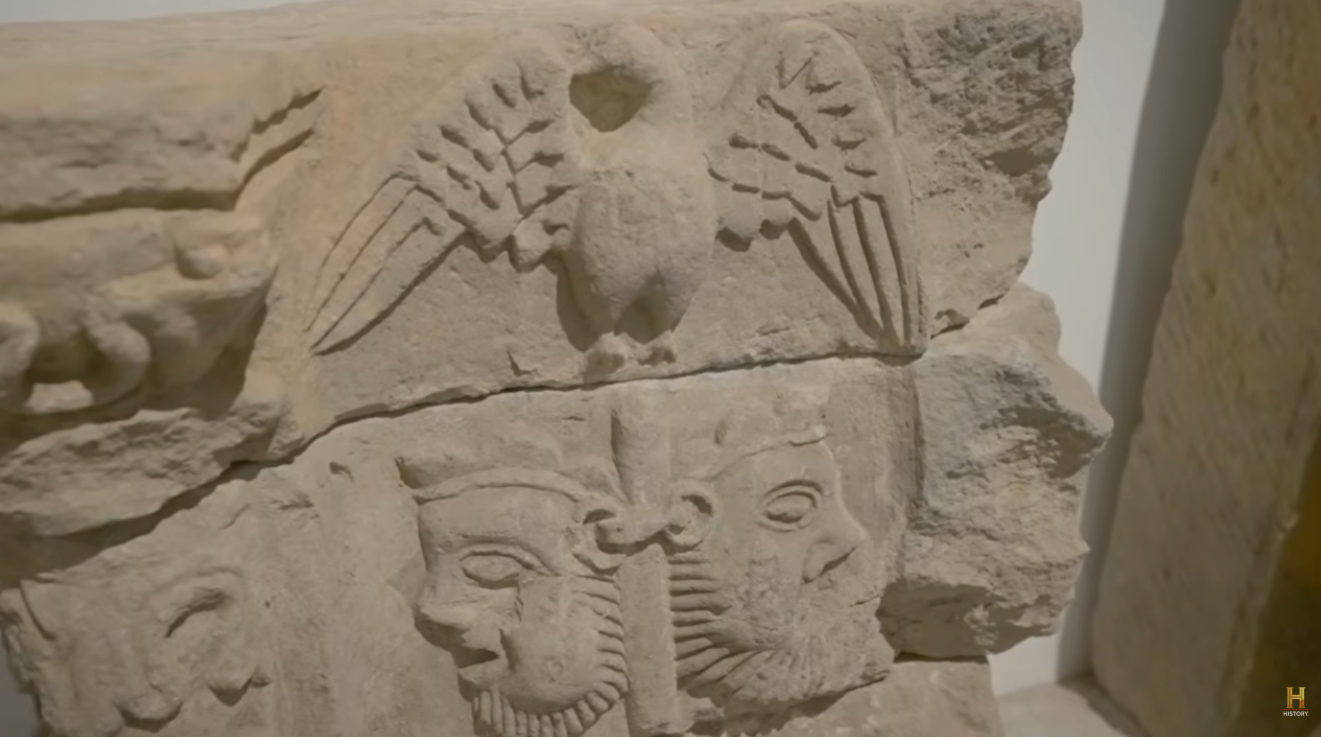
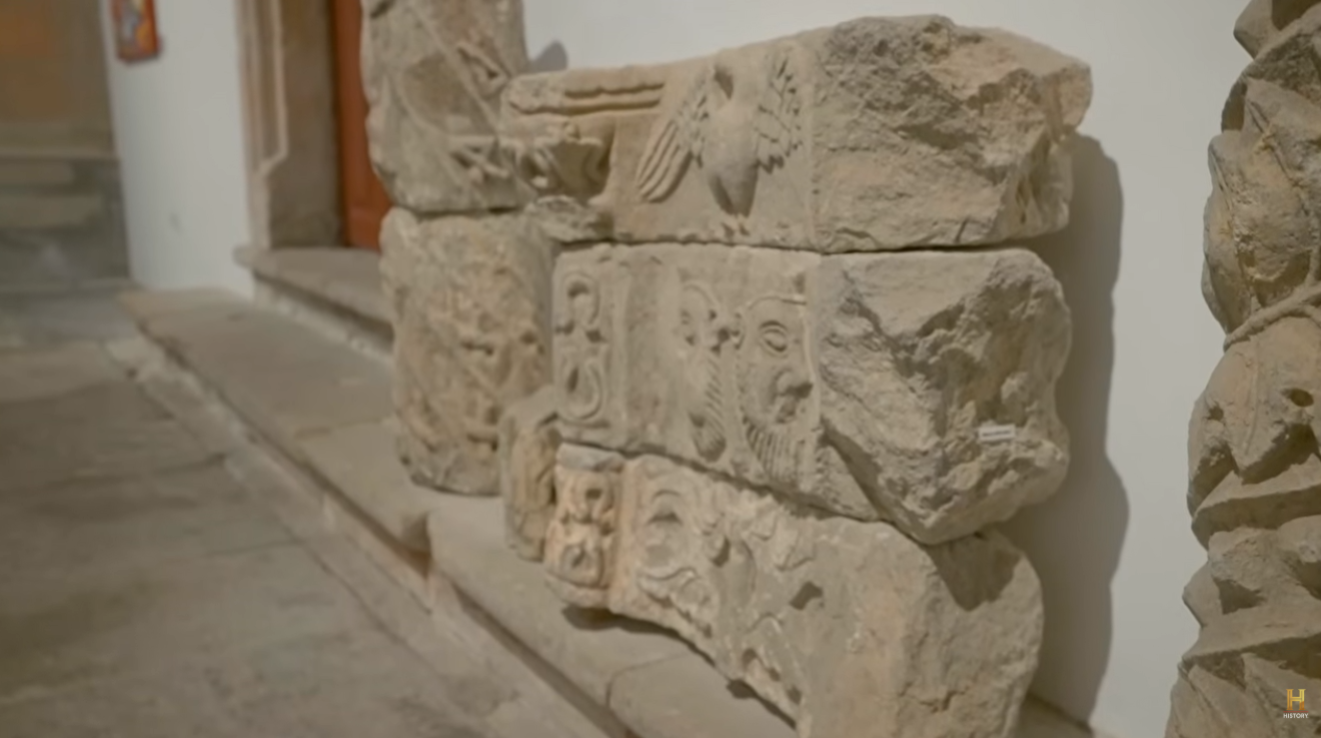
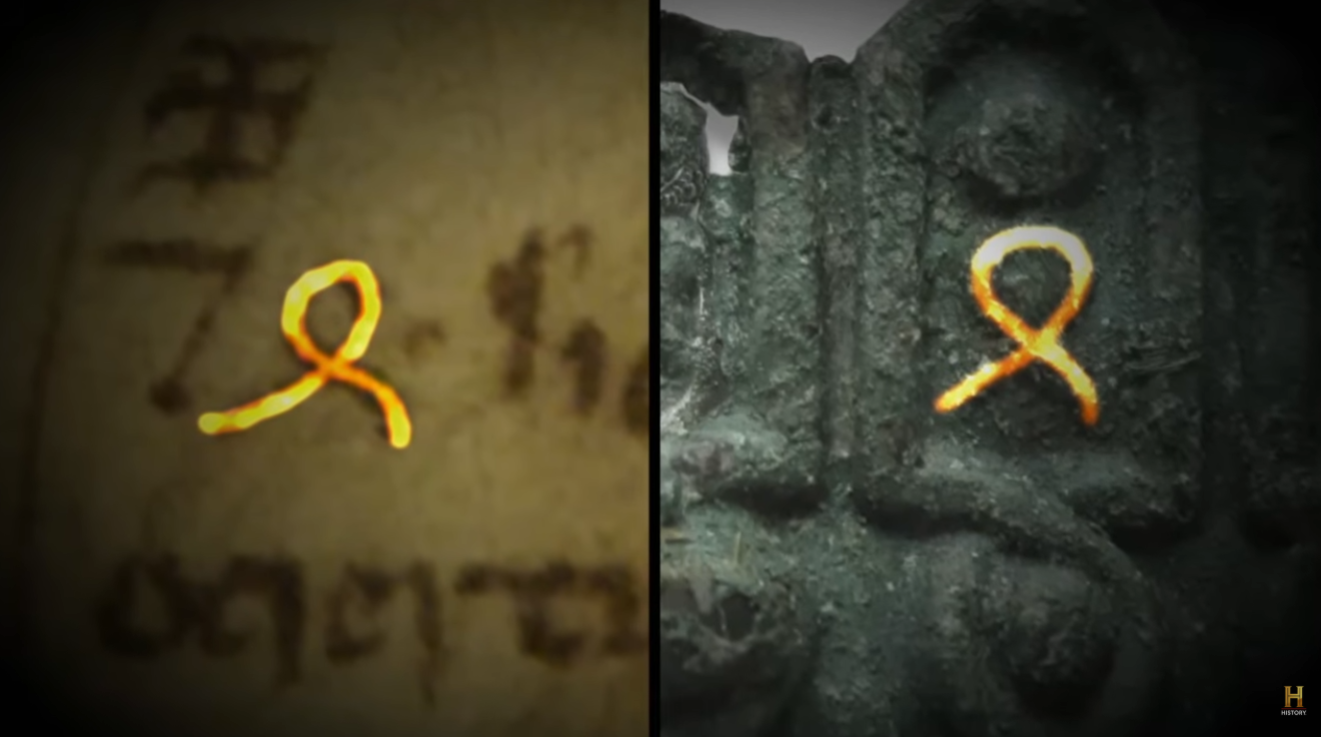
The team also examined one of the oldest carved stones found in the Azores, believed to date to around 1454. What caught their attention was not just the age of the object, but its design. Corjan Mol pointed to swirl-like details that reminded the team of a copper artifact found on Oak Island’s Lot 8 in 2022. That Oak Island piece had already generated interest because a similar symbol was later identified in a Templar-related manuscript in Reykjavík, Iceland, dated to the 12th century. When the team compared the photograph of the Lot 8 artifact to the stone in the museum, they believed there could be a meaningful resemblance.
That visual parallel alone does not prove a direct connection, but it adds another layer to a theory that has continued to gather momentum. The Oak Island team has long argued that individual clues may seem isolated until they are viewed alongside material from other locations. In the Azores, they found a setting where the dates, symbols and historical possibilities appeared to line up closely enough to keep the theory alive.
To deepen that comparison, the team brought several artifacts from Oak Island for Tiago Rodrigues to examine. Among them was a stone shot recovered on the island that, according to the discussion, likely dates from the 1300s or earlier. They also presented what they believe may be part of a small hand cannon, an object first associated with weapon forms developed in China during the 12th century and later spread westward. Tiago’s reaction suggested that these objects fit the sort of period the team hoped to investigate, with several finds appearing to converge around the 14th and 15th centuries.
Another key item was the Portuguese coin of Ferdinand I, minted between 1367 and 1383. According to Doug Crowell, the coin was reportedly linked to drilling work at Oak Island in 1849 and may have come up on a drill bit during efforts to reach a supposed treasure chamber. What made the moment important was not only the coin itself, but the way it lined up with the dating of the stone shot and other artifacts. For Tiago, the overlap in timeframe appeared significant enough to suggest that the connection was more than random coincidence.
That convergence is exactly what gives the Azores investigation its weight. Rather than relying on one sensational object, the theory gains strength from multiple pieces pointing toward similar centuries. Some of the artifacts appear to cluster in the 1300s, while others push into the 1400s, the very periods the team travelled to investigate. As Alex Lagina put it during the visit, the final proof may still be underground on Oak Island. For now, however, the evidence gathered elsewhere may help establish that such a scenario is at least historically plausible.
Rick Lagina framed the trip as important not just for the search itself, but for what it suggests about movement across the Atlantic world. He said the forensic evidence on Oak Island appears to point to silver and gold underground, and he argued that clues increasingly support the possibility of treasure or important materials moving from east to west. That does not confirm what the treasure was, or who moved it, but it fits neatly with one of the show’s most enduring ideas: that Oak Island may have been part of a far larger story involving religious orders, shifting power and hidden wealth.
The Azores visit also reinforced something that has become central to the Oak Island project in recent years. The search is no longer confined to shafts, boreholes and swamp excavations. It now stretches across archives, museums and historical landscapes far beyond Canada, with each new clue treated as part of an international puzzle. Whether that puzzle ultimately proves a Templar link, a Portuguese voyage or something else entirely remains unclear. But the team believes the journey to the Azores has brought them one step closer to understanding how Oak Island may connect to a much older and broader chapter of history.