Oak Island team uncovers new Money Pit clue as Rick Lagina says significance is hard to overstate


The search for answers on Oak Island has taken another intriguing turn after the team recovered what appears to be a man-made stone projectile from deep within the Money Pit area, adding fresh weight to theories of activity on the island centuries earlier than conventional history suggests.
In the latest development, Rick Lagina, Peter Fornetti and other members of the team monitored excavation work at the Peacock-1 caisson, where progress has now pushed the shaft down to around 170 feet. While the excavation itself was an important step, attention quickly shifted to items recovered from the spoils, including a piece of concrete that immediately sparked discussion among the team.
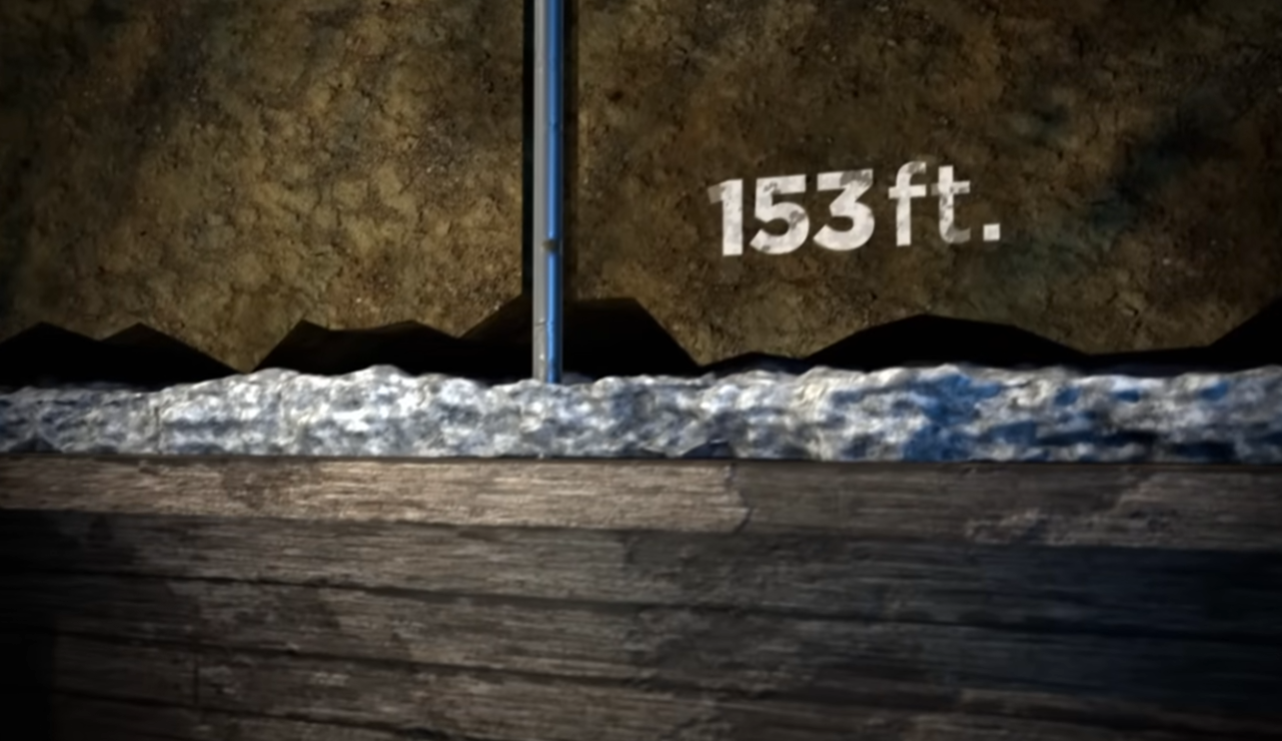
The concrete fragment drew interest because of its possible connection to one of Oak Island’s most enduring legends. Team members noted that it recalled historical reports from 1897, when treasure hunters Frederick Blair and William Chappell claimed they had drilled into a seven-foot-high wooden vault encased in concrete at a depth of 153 feet. That reported structure, often referred to as the Chappell Vault, has long been one of the central stories tied to the Money Pit. The discovery of what appeared to be concrete at Peacock-1 did not confirm the old account, but it was enough for the team to send the material for laboratory analysis.
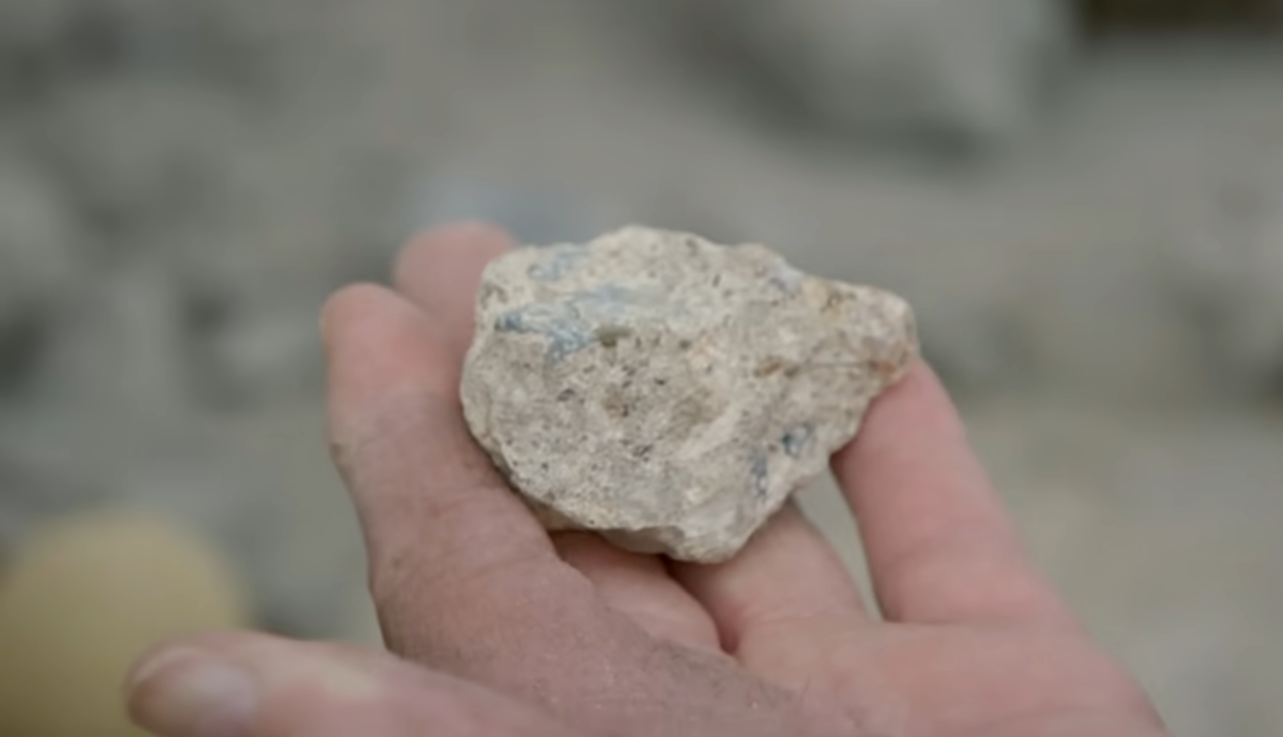
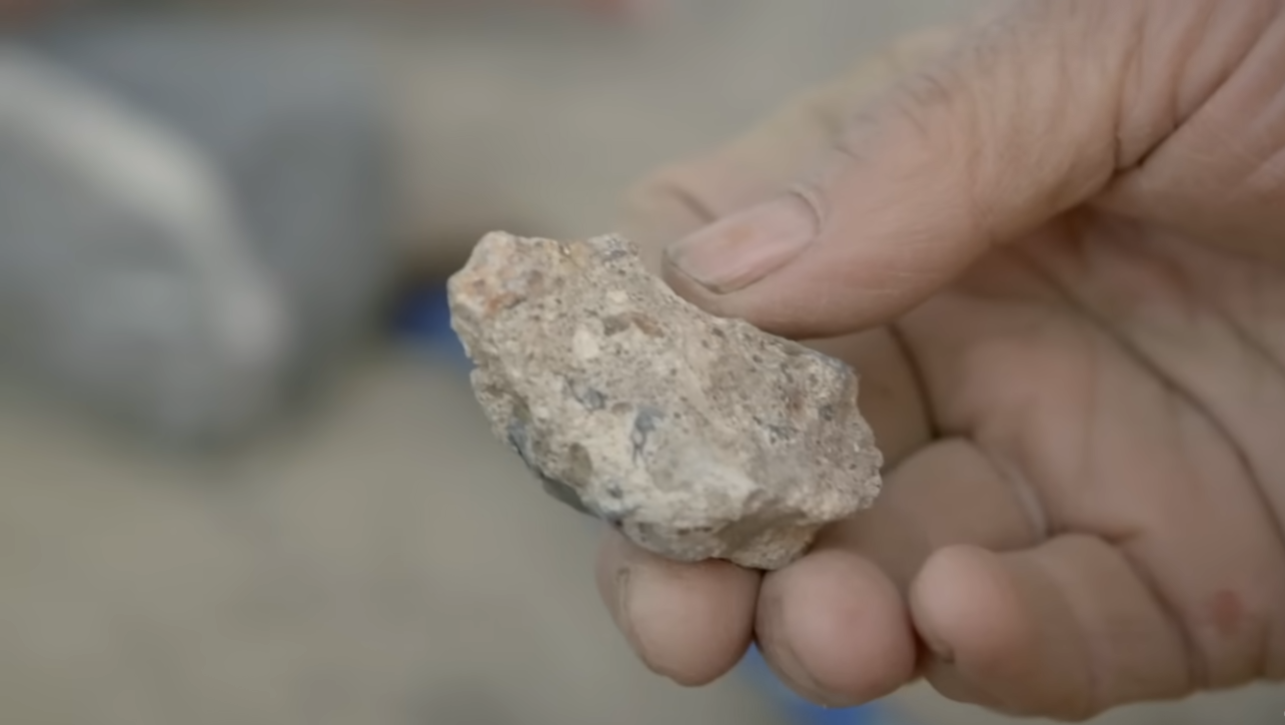
Yet it was another object from the spoils that appeared to generate the most excitement.
Charles Barkhouse and other team members identified a rounded stone object from more than 100 feet below the surface that they believed could be a Portuguese stoneshot. That possibility immediately stood out because similar objects had previously been found on Lot 15 and in the Money Pit area. According to the programme’s account, earlier scientific testing suggested those finds may have originated in the Azores islands of Portugal.
When Rick Lagina and archaeologist Laird Niven examined the object, both agreed it did not appear to be a natural formation. Laird said it looked like a stoneshot and stressed that such an object would not ordinarily occur naturally on the site. For a team that has spent decades investigating Oak Island, that assessment carried real importance. Rick noted that this was now the third such object linked to different areas of the island, strengthening the sense that the discoveries may form part of a wider historical pattern.
Further support came in the lab, where Emma Culligan shared preliminary scientific analysis. Examining the believed stoneshot, she pointed to working marks and peck marks that she said were consistent with human shaping rather than natural wear. Her assessment helped reinforce the conclusion that the stone had been deliberately worked by people and was indeed likely a stoneshot.
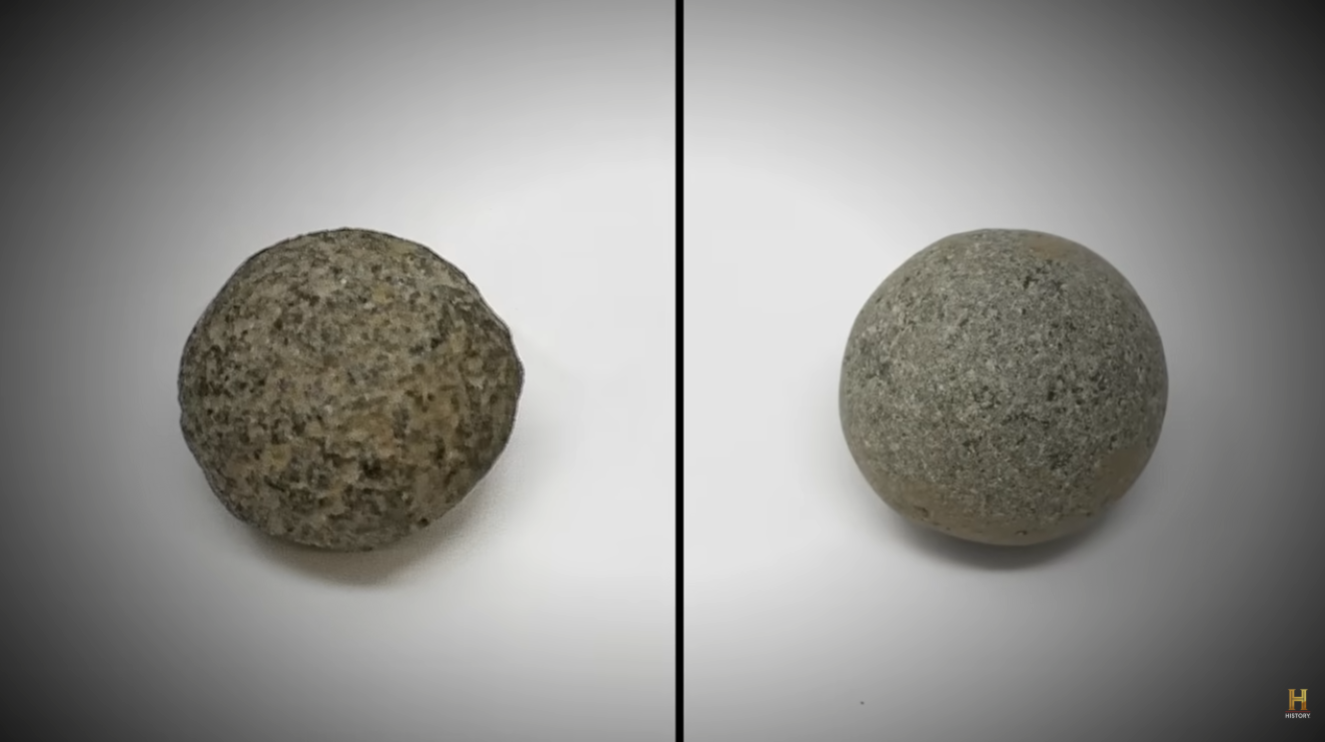
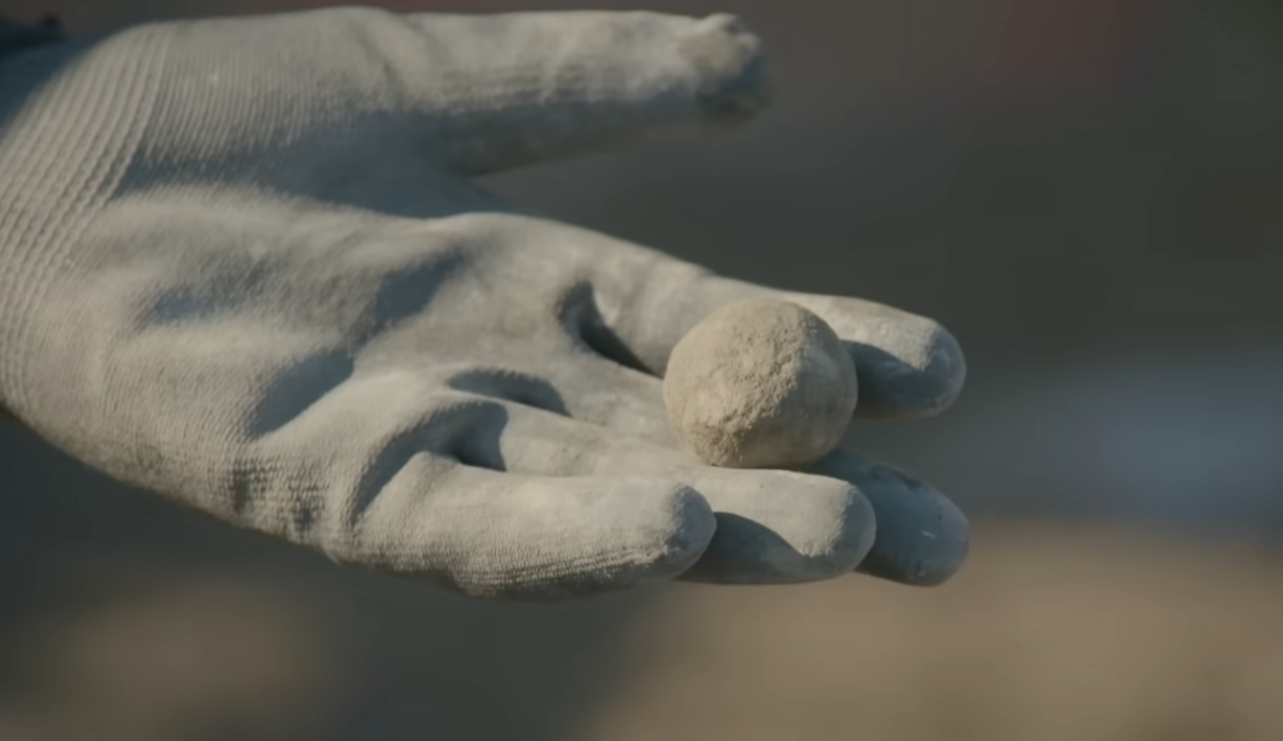
That finding is especially striking because of the historical timeframe attached to such weapons. The team said stoneshot was most commonly used in the 14th and 15th centuries, before cast-iron cannonballs rapidly replaced it after the mid-1400s. Rick linked that timeline to earlier clues found on the island, including a Portuguese coin previously recovered in the Money Pit area. For the fellowship, the latest object does more than add another artefact to the table. It appears to strengthen the argument that someone may have been active on Oak Island well before the accepted timeline of European presence in North America.
The Portuguese connection remains particularly compelling for the team. During a visit to Lisbon in 2021, Rick and others compared earlier stoneshots recovered on Oak Island with a 15th-century Portuguese cannon at the Military Museum. According to the programme, the resemblance was close enough to suggest a possible match. In the newest discussion, Rick again pointed to the possibility of a connection involving Portugal, the Order of Christ and an early Atlantic mission.
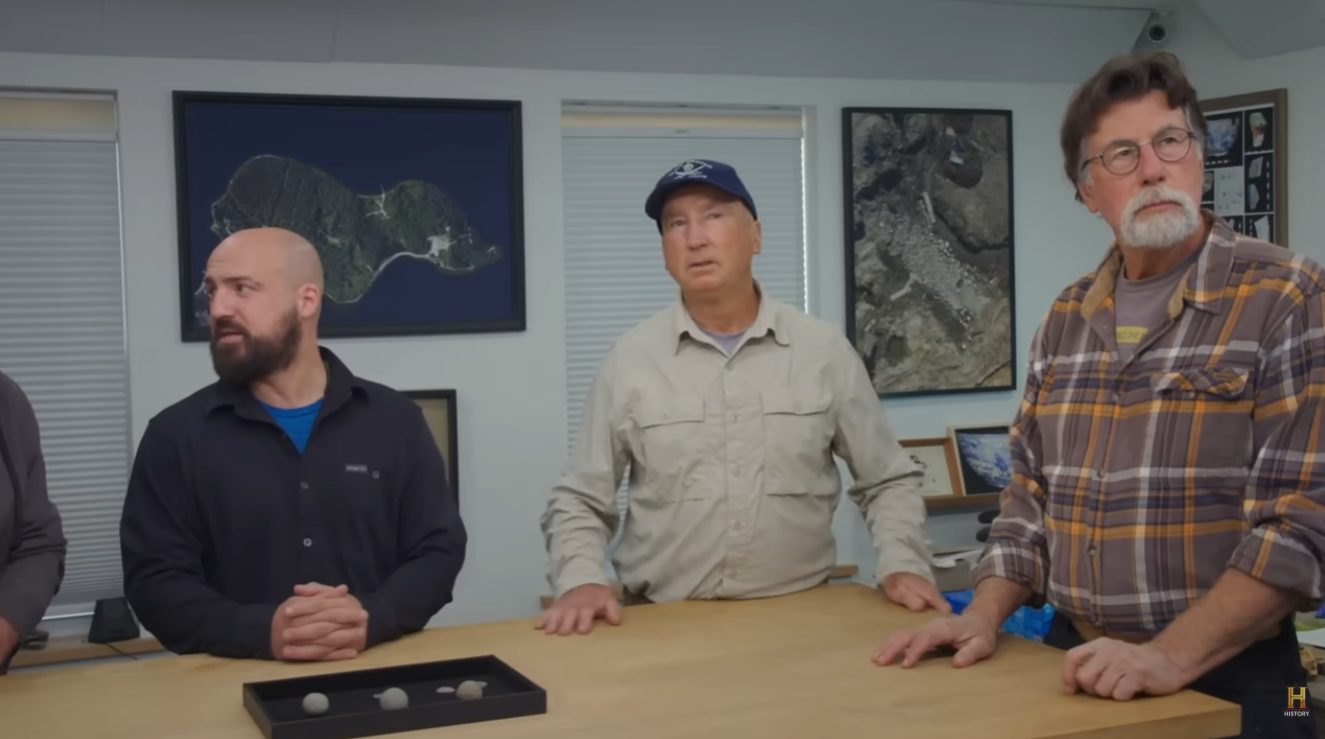
Later, in a video call with Marty Lagina, Rick described the find as highly significant. Marty agreed, suggesting that if similar stoneshots are being found in multiple locations, it may imply they are spread much more widely across the island than previously believed. Rick said it was difficult to overstate the importance of an object that could point to activity in the 1300s or 1400s. The brothers also discussed the frustration of the current search season, with Rick admitting that, despite educated decisions in the Money Pit, results had not delivered what the team had hoped for.
Even so, the brothers were not ready to abandon the area. Rick said the team had at least proved that the solution channel played a major role in the Money Pit story, and he maintained that there is still a decent chance that what they are searching for lies somewhere within it. That leaves the latest stoneshot discovery serving two purposes at once: a possible historical clue from far deeper in the past, and a fresh reason for the team to keep pressing forward despite another frustrating year on the island.
On Oak Island, definitive answers remain elusive. But as another unusual object emerges from deep underground, the mystery appears to be widening rather than narrowing.