
Being a crab fisherman on Deadliest Catch is one of the most dangerous jobs shown on reality television, but for those who succeed, the financial reward can be significant. Over the years, several fishermen and captains connected to the Discovery series have spoken publicly about how much money can be made during a strong season at sea.
The income is not simple or guaranteed. Unlike many regular jobs, crab fishermen are often not paid a fixed wage or salary. Their earnings usually depend on the size and value of the catch. That means a good season can bring in impressive money, while a poor season can leave crews with far less than expected.
Kenny Ripka explained this clearly in a 2016 interview with People. He said the amount changes from year to year because fishermen are paid based on what they catch and deliver. According to Ripka, he had made between $150,000 and $170,000 a year as a captain during strong periods.
Deckhands can also make notable money in a short amount of time. Kenny said crew members could earn anywhere from $15,000 to $50,000 for just a couple of months of work on a boat. Gary Ripka also shared that his deckhands made around $30,000 for five or six weeks of fishing work in 2016.
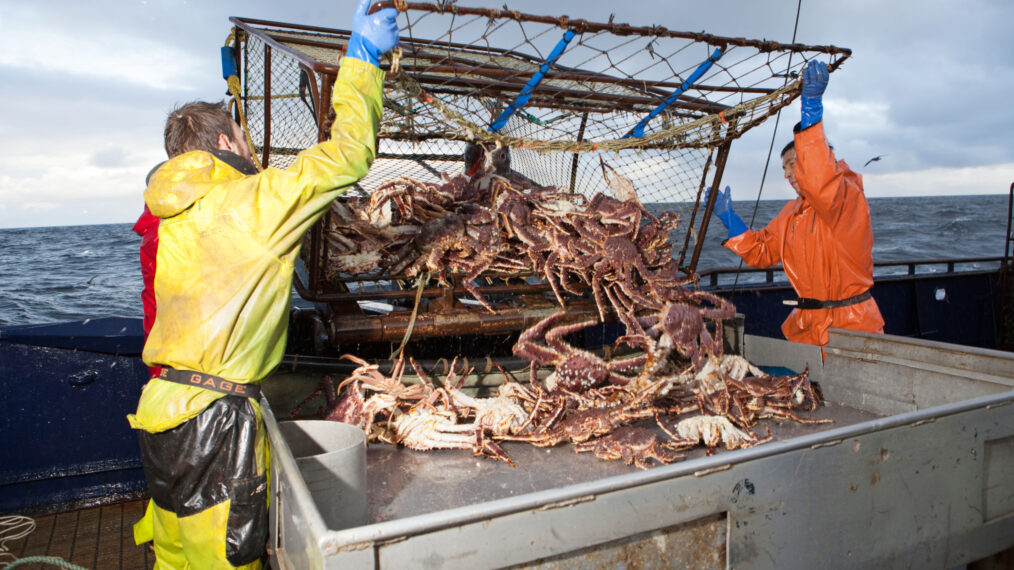
Those figures help explain why so many people are drawn to crab fishing despite the brutal conditions. A deckhand may spend weeks working long shifts in freezing weather, handling heavy gear and facing rough seas, but the potential payout can be much higher than many regular short-term jobs.
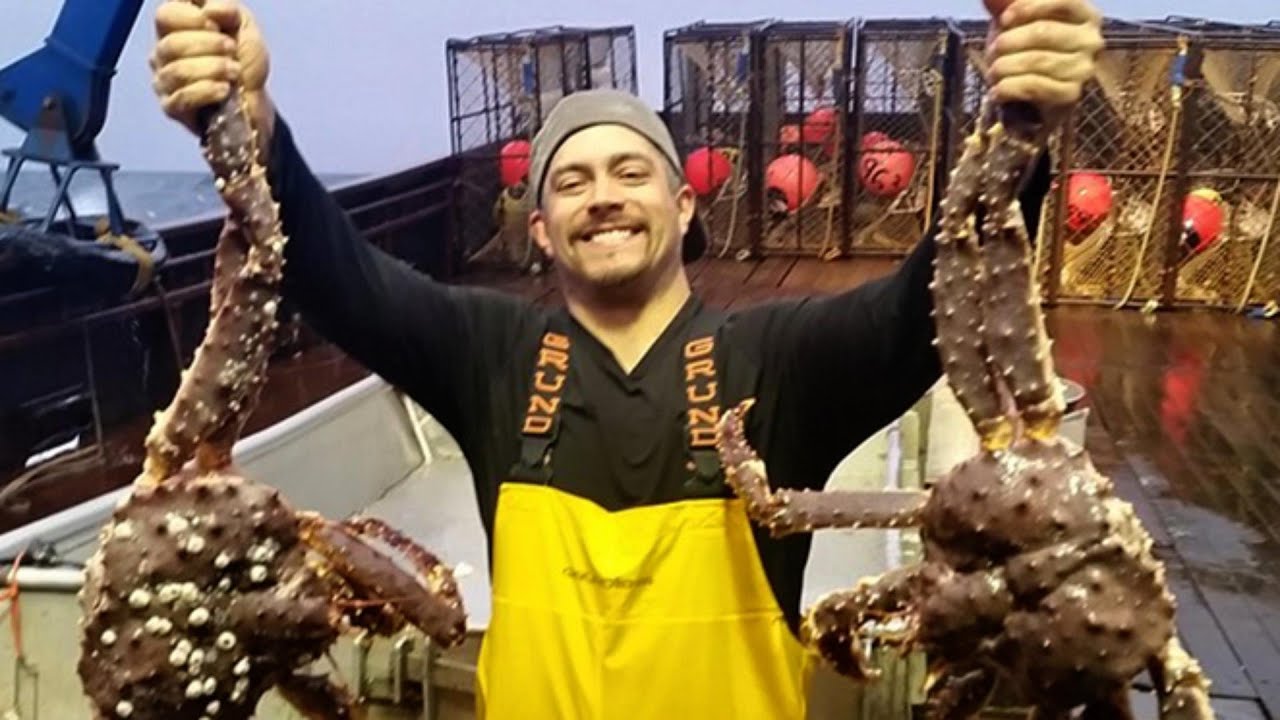
Some Deadliest Catch captains have described even larger earnings during especially successful seasons. Jake Anderson told Fox Business in 2018 that he grossed $2.5 million in 11 days during a strong run. Josh Harris also said that captains can make as much as $2 million in just two days when the catch is especially good.
However, those numbers do not mean every captain regularly takes home millions. The gross value of a catch is not the same as personal income. Fuel, crew shares, equipment, maintenance, permits, insurance and other costs can take a large portion of the total. Still, a captain can make hundreds of thousands of dollars in a strong season if the boat performs well and the market price is favourable.
There is also another source of income for those who appear on Deadliest Catch. According to Monsters & Critics, captains on the show can earn between $25,000 and $50,000 per episode. That television money can make a major difference, especially during years when fishing itself becomes more uncertain.
But the money comes with serious risk. Crab fishing has long been known as one of the most physically demanding and dangerous jobs in the United States. The work often takes place in remote waters, where crews face freezing temperatures, heavy equipment, moving decks and long hours with very little rest.
Deadliest Catch has shown those risks for years. Several stars and crew members connected to the programme have faced serious health scares, injuries and medical emergencies while working at sea. The job can reward experience and courage, but it can also punish even a small mistake.
The financial uncertainty is another major challenge. Even experienced captains cannot always depend on a full season. Fishing limits, changing regulations, environmental conditions and closures can all affect whether boats are allowed to fish at all.
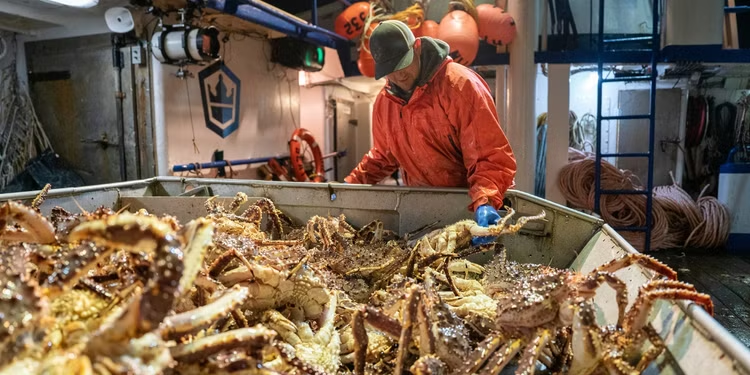
Sig Hansen once explained that king crab season had been closed for three or even four years in a row. He said that when a captain’s income depends on getting the boat out on the water, there is no reliable retirement plan. From one year to the next, fishermen may not even know whether they will be able to work.
That reality makes the Deadliest Catch pay structure both attractive and risky. On paper, the money can look enormous. A deckhand might make tens of thousands of dollars in a few weeks. A captain might bring in six figures or more in a strong year. A successful catch can be worth millions before expenses.
But behind those numbers is a life built around uncertainty. The fishermen are not just chasing money; they are also accepting physical danger, financial instability and months away from family. Every season brings the possibility of a major payout, but also the possibility of injury, mechanical failure, bad weather or no season at all.
That is why the earnings on Deadliest Catch continue to fascinate viewers. The show is not just about crab fishing. It is about the extreme trade-off between risk and reward. For the captains and crews, the ocean can offer life-changing money, but it never offers guarantees.
